
Smart Home Increase Property Value: Luxury ROI 2026
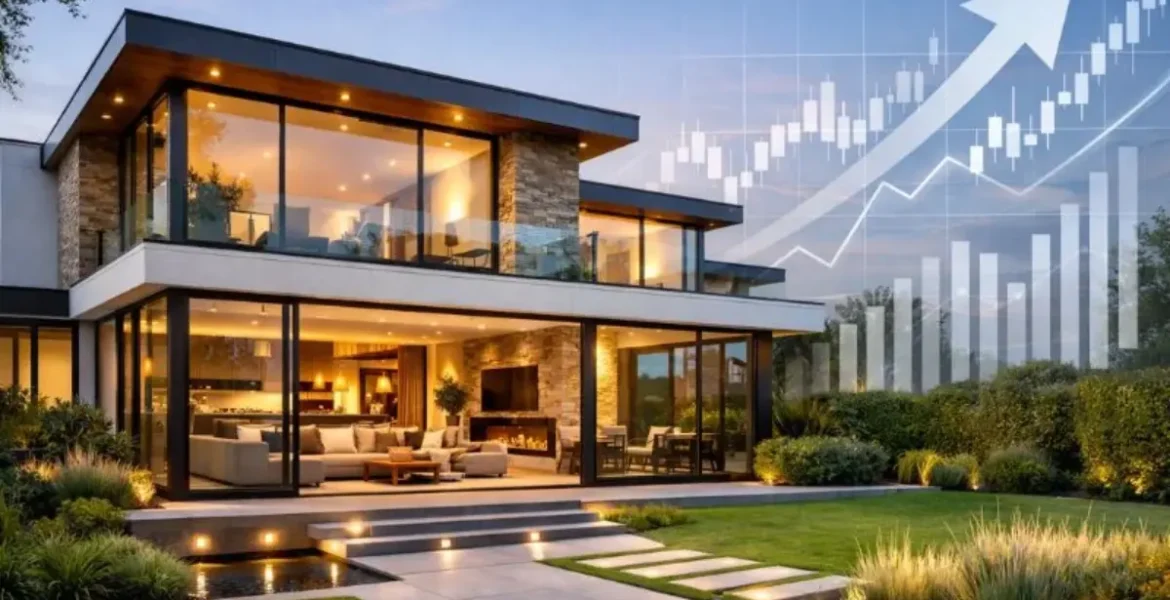
A smart home can increase property value by up to 10% in luxury markets, and buyers are lining up to pay the premium. On a $2 million property, that is a potential $200,000 boost. Also, luxury homes with automation sell faster, command higher asking prices, and attract tech-savvy buyers who expect seamless control of lighting, climate, and security. Therefore, if you own a high-end home, automation is no longer optional. It is your sharpest tool for maximizing resale value in 2026.
Does a Smart Home Increase Luxury Property Value in Markets?
Yes, and the premium is significantly higher in luxury segments. According to Vivint’s 2025 research, the average smart home in the United States is priced above $1.2 million, while non-smart homes average around $660,000.
In Philadelphia, the price gap is even wider. Smart homes there average $1.56 million compared to just $365,000 for traditional listings. Moreover, that pattern repeats across Los Angeles, New York, Miami, Dallas, and Houston.
Additionally, a 2024 Coldwell Banker study found that 78% of buyers will pay extra for smart home features. Among luxury buyers, that number climbs higher because automation aligns with the lifestyle they already live.
Why Luxury Buyers Pay More for Smart Home Automation
Luxury buyers shop for experience, not just square footage. Furthermore, smart automation delivers convenience, security, and energy control at a level traditional homes simply cannot match.
Lifestyle Expectations Have Shifted
Millennials now drive 63% of smart home ownership, and 43% of Gen Z buyers prioritize smart capabilities over traditional luxury features. Therefore, these generations are entering the high-end market with strong tech preferences.
Also, 79% of people planning to move want a smart home, according to Samsung’s 2024 survey. For luxury listings, this means automation is now expected, not optional.
Energy Efficiency Adds Real Financial Appeal
Smart thermostats save 10% to 15% on heating and cooling bills, according to the EPA. Additionally, smart lighting can cut electricity use by up to 50%. For a luxury home with higher utility costs, those savings add up quickly. As a result, buyers factor these monthly savings into their long-term cost of ownership.
Top Smart Upgrades That Boost Luxury Home Automation ROI
Not every smart gadget delivers strong returns. However, the upgrades below consistently deliver the highest luxury home automation ROI based on industry data.
| Smart Upgrade | Estimated ROI | Average Cost | Value Added |
|---|---|---|---|
| Smart Security System | Up to 5% | $1,500 – $5,000 | $40K – $100K on $2M home |
| Whole-Home Integration Hub | 4% to 7% | $10,000 – $50,000 | $80K – $140K on $2M home |
| Smart Climate Control | 3% | $500 – $3,000 | ~$60K on $2M home |
| Smart Lighting System | 2% to 3% | $2,000 – $15,000 | $40K – $60K on $2M home |
| Smart Appliances | 11% higher ROI | $5,000 – $20,000 | Varies |
| Leak Detection System | 1% to 2% | $200 – $1,000 | $20K – $40K on $2M home |
Whole-Home Integration Hubs
Luxury buyers want a unified system, not scattered devices. Moreover, platforms using the Matter protocol allow lighting, climate, security, and entertainment to work together seamlessly. Professionally installed hubs from Control4, Crestron, and Savant command the highest premiums. Additionally, these systems signal quality and long-term reliability to future owners.
Smart Security Systems
Smart security adds up to 5% to property value, per NAR data. Therefore, for luxury homes, this is often the single most valuable upgrade. Integrated systems including smart locks, video surveillance, and motion sensors also lower insurance premiums by up to 20%. Furthermore, homes with professional security are three times less likely to experience burglaries.
Smart Climate Control
Beyond basic thermostats, luxury climate systems offer zoned temperature control, humidity management, and air quality monitoring. Nest and Ecobee remain popular, but luxury installs often use premium brands integrated with HVAC systems.
As a result, these upgrades typically add 3% to property value while reducing energy costs.
Smart Lighting and Ambiance Systems
Luxury smart lighting goes beyond simple bulbs. Additionally, automated scenes, circadian lighting, and voice-controlled dimming create atmosphere that buyers remember during showings. Lutron and Philips Hue Pro systems are particularly valued. Moreover, these systems improve open house presentations, helping sellers close faster.
Water Leak Detection and Monitoring
This upgrade is often overlooked but highly valued by insurance providers and buyers. Smart leak sensors protect expensive finishes and flooring from costly damage. Moreover, they reduce insurance premiums and signal responsible ownership. For luxury homes with high-end materials, this is a small investment with outsized returns.
How Location Affects Smart Home Property Value Returns
Location shapes how much a smart home can increase property value. Therefore, tech-forward cities deliver the strongest premiums.
In San Francisco, Austin, Seattle, and Silicon Valley, luxury listings with integrated automation can command 7% to 10% premiums. Additionally, these markets have buyers who actively search for smart features.
In traditional luxury markets, the premium is closer to 2% to 5%. However, those numbers are climbing steadily year over year.
Real ROI: What Luxury Sellers Actually Recoup
Let us break down the math with a realistic example.
A seller invests $25,000 in smart home upgrades on a $2 million luxury property. Based on a conservative 4% value boost, the home gains $80,000 in market value. As a result, that is a $55,000 estimated profit on the initial investment.
Additionally, smart homes sell 15% faster on average, according to Zillow trend data. In Austin, that number jumps to 40% faster for luxury homes with integrated systems. Therefore, faster sales mean fewer price drops and lower carrying costs, which adds hidden ROI beyond the listing premium.
Common Mistakes That Hurt Luxury Smart Home ROI
Even expensive systems can fail to deliver returns when installed poorly. Therefore, avoid these common errors.
Choosing Incompatible Brands
Devices that do not communicate with each other frustrate buyers. Also, luxury purchasers want seamless control from a single app or panel. That’s why, stick with ecosystems like Control4, Savant, or Matter-certified products that guarantee interoperability.
Skipping Professional Installation
DIY installations often look unpolished and raise doubts about reliability. Buyers in luxury markets expect professional work. Additionally, certified integrators from organizations like CEDIA provide documentation that adds credibility during the sale.
Forgetting Warranty Transfers
Buyers want to know their systems are protected. That’s why, always keep installation records, warranty documents, and user manuals organized for the sale. As a result, this small step significantly increases buyer confidence and justifies premium pricing.
Final Thoughts
A smart home increase property value meaningfully, especially in the luxury market where buyers expect integrated, seamless automation. Therefore, focus on professionally installed systems from trusted brands, prioritize security and energy efficiency, and document everything for the sale.
Based on available data, sellers who invest wisely and market strategically can expect 3% to 10% premiums, faster sales, and lower carrying costs. Moreover, for more expert insights on luxury real estate trends and smart home investments, visit orilea.com where premium property guidance meets modern market strategy. In 2026, smart automation is no longer a luxury add-on. It is the new standard.
Frequently Asked Questions
How much does a smart home increase property value?
Based on available data, a smart home can increase property value by 3% to 5% on average. Furthermore, in luxury tech markets, that figure can reach 7% to 10%.
What smart home features add the most value?
Smart security systems add the most value, estimated at up to 5%. Additionally, whole-home integration hubs and smart climate systems follow closely behind.
Are smart homes worth more money?
Yes, smart homes are worth more money. Moreover, Vivint’s 2025 research shows smart homes average $1.2 million compared to $660,000 for non-smart homes in the United States.
Do smart homes sell faster?
Yes, smart homes sell 15% faster on average, according to Zillow data. Furthermore, in tech-forward luxury markets like Austin, that number reaches 40%.
Does smart home automation lower home insurance?
Yes, smart home automation can lower insurance premiums by up to 20%. Therefore, smart security and leak detection systems qualify for the biggest discounts.