
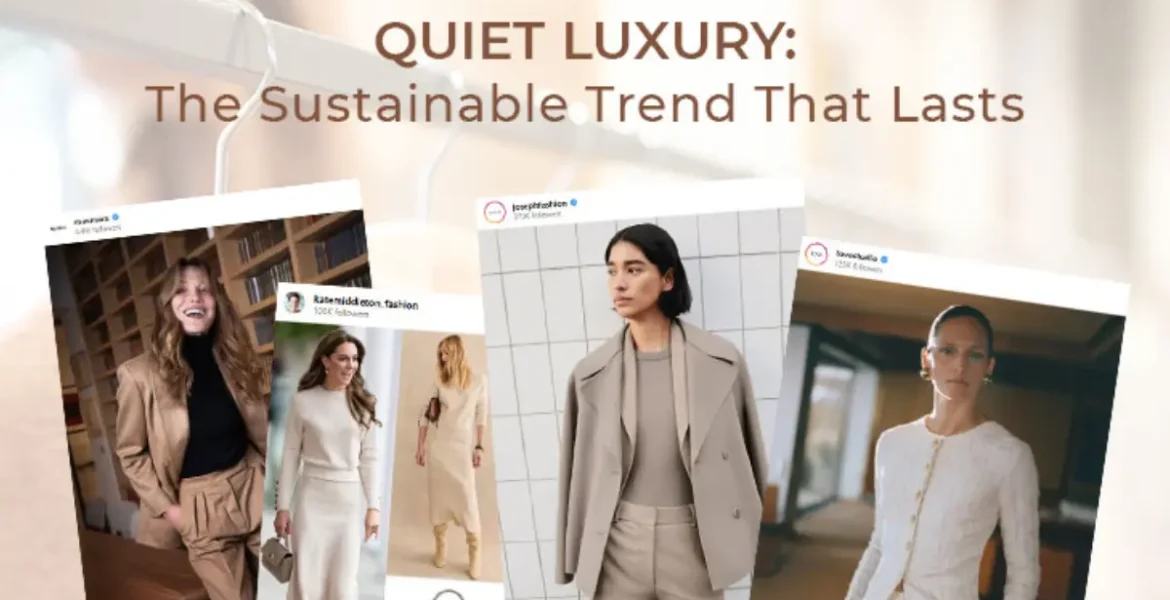
Quiet Luxury Trend: How It’s Reshaping Fashion Business
The fashion industry is undergoing a seismic shift. Forget logos, forget flashy designs, forget the need to prove your wealth to strangers. The quiet luxury trend is rewriting the rules of how luxury brands operate, how consumers shop, and what actually signals status in 2026. This isn’t a passing fad. It’s a fundamental restructuring of the billion-dollar luxury fashion business.
In this article, I’ll walk you through exactly how the quiet luxury trend is changing fashion from the brands thriving under this new model to the strategies businesses are using to stay relevant. Whether you’re a fashion enthusiast, an aspiring entrepreneur, or someone curious about why everyone’s suddenly ditching their Gucci bags, this guide explains it all.
Understanding the Quiet Luxury Trend: What It Actually Means
The quiet luxury trend is simple on the surface: high-end fashion that prioritizes impeccable craftsmanship, premium materials, and timeless design over visible branding and logos. But the real story is much deeper.
This isn’t about being minimalist or boring. It’s about shifting the definition of luxury from “looking rich” to “being rich.” It’s the difference between a $5,000 handbag with a visible logo and a $5,000 handbag that only people who know luxury can recognize.
The psychology is powerful. According to research by Han, Nunes, and Drèze, wealthy consumers with low status anxiety actually prefer inconspicuous luxury goods. They don’t need external validation from logos because their wealth speaks for itself. Furthermore, the quiet luxury trend aligns perfectly with how modern consumers think about value.
Why the Quiet Luxury Trend Started: The Perfect Storm
The quiet luxury trend didn’t appear out of nowhere. Rather, three major forces converged to create this shift.
Post-Pandemic Reassessment
COVID-19 forced people to evaluate what actually matters. Key changes include:
- Spending habits shifted toward quality over quantity
- Consumers asked: “Do I need this trendy piece, or something I’ll wear for five years?”
- Fast fashion felt wasteful and disposable
- People realized they could be happy with fewer, better things
Subsequently, this mindset didn’t reverse once lockdowns ended. It stuck. Ultimately, the luxury trend filled this gap perfectly.
Economic Uncertainty and Smart Spending
Inflation, recession fears, and wage stagnation made consumers cautious. In other words, instead of buying cheap items that fall apart, people started investing in quality pieces that last. Cost-per-wear became the calculation that mattered.
Consider these numbers:
- A $300 cashmere sweater worn 100 times = $3 per wear
- A $40 sweater from fast-fashion worn 5 times = $8 per wear
This math shifted how consumers approached spending, reinforcing the luxury trend.
Sustainability as a Non-Negotiable Value
Gen Z and younger millennials care deeply about environmental impact. Fast fashion is a disaster for the planet. Therefore, the luxury trend aligns perfectly with sustainability values:
- Buy less, buy better, buy durable
- Invest in pieces that last years, not seasons
- Support brands committed to ethical production
- Reduce closet waste and environmental footprint
Brands promoting timeless pieces and long-lasting quality suddenly became attractive to environmentally conscious consumers. The luxury trend became the fashion equivalent of ethical consumption.
| Fashion Strategy | Focus | Brand Examples | Customer Priority |
|---|---|---|---|
| Traditional Luxury | Visible Logos, Status | Gucci, Versace | External Validation |
| Quiet Luxury Trend | Craftsmanship, Heritage | The Row, Loro Piana | Quality & Longevity |
| Fast Fashion | Trends, Volume | Zara, H&M | Price & Speed |
| Accessible Quiet Luxury | Quality Design, Value | COS, Uniqlo | Affordability & Taste |
How the Quiet Luxury Trend Is Reshaping Brand Strategy
Luxury brands are completely restructuring their business models in response to the luxury trend.
The Quiet Luxury Trend Is Killing the Logo Economy
Visible branding is becoming a liability, not an asset. Brands like Gucci and Versace built on maximalist, logo-heavy designs saw sales decline. Gucci reported an 18% drop in Q1 2024 sales. Meanwhile, the luxury trend reshapes what consumers actually want.
Brands embracing the luxury trend saw growth. The Row, Loro Piana, and Hermès brands known for logo-free designs and exceptional craftsmanship maintained strong performance.
Brands Are Investing in Storytelling Over Logos
Since logos no longer drive sales, brands are investing heavily in narrative and heritage. In addition, this shift favors heritage brands with real history. New luxury brands struggle without a narrative. Loro Piana emphasizes craftsmanship, heritage, and the sourcing of materials. Their marketing doesn’t scream look at this logo. Instead, it whispers: Our family has been perfecting cashmere for generations.
This requires a different marketing approach. Rather than celebrity endorsements and runway hype, brands tell stories about artisans, materials, and time-honored techniques. Consequently, the quiet luxury trend demands authenticity over hype.
The Quiet Luxury Trend Is Democratizing Accessibility
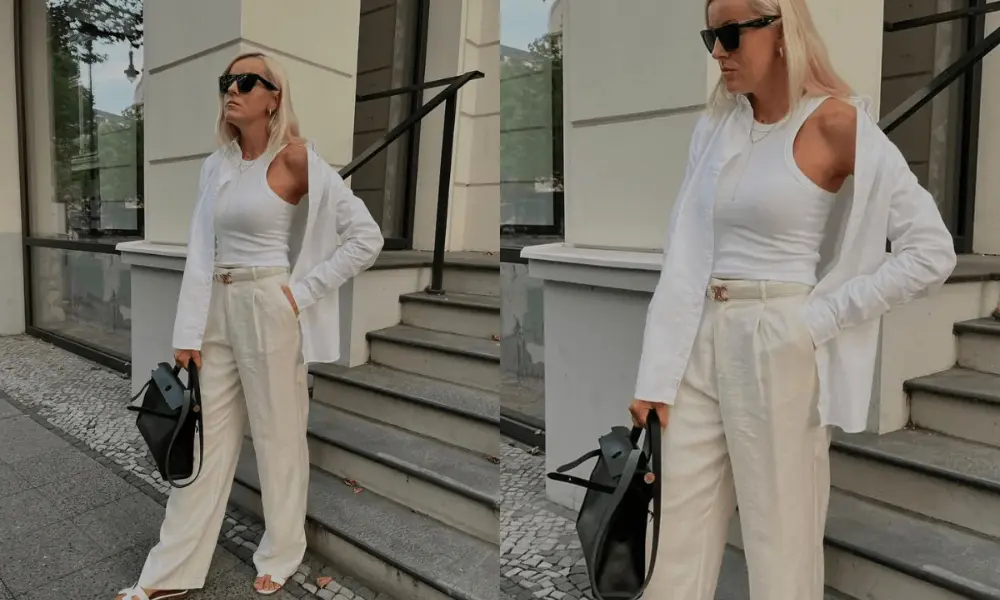
Here’s the paradox: the luxury trend is actually more accessible than traditional luxury. A perfectly made white linen shirt from Uniqlo reads identically to one from a luxury brand. The difference is in the fabric weight and tailoring precision, not in the label.
This means consumers can participate in the luxury trend at multiple price points. You can build a luxury trend wardrobe for $100 per piece or $1,000 per piece. The aesthetic translates across all price tiers.
Brands like COS, Everlane, and &Other Stories capitalized on this immediately. They offer trend designs at accessible prices because they understand: the trend isn’t about price tags. It’s about design philosophy.
The Business Impact: What’s Changing Right Now
Fast fashion thrived on volume: sell cheap, sell fast, make it trend-dependent so customers buy again next season. However, the luxury trend destroys this model.
If a piece is timeless, customers buy one and wear it for years. There’s no need for replacements. Ultimately, volume drops. But profit margins shift because quality pieces command higher prices.
Zara and H&M, built on fast-fashion velocity, are struggling. As a result, they’re forced to pivot toward the luxury trend strategy essentially copying quality and timelessness principles. It’s awkward for brands built on speed.
E-Commerce Becomes Secondary to Experience
The luxury trend values craftsmanship. You can’t fully understand the quality of a cashmere knit through a screen. You need to feel it. Therefore, brands are investing in physical retail experiences as a result.
Boutiques, pop-ups, and flagship stores become brand ambassadors. Essentially, retail handles storytelling. This is a massive shift for the industry because, for a decade, the trend was close physical stores, go online.
Minimalist Luxury Fashion Strategy: The Winning Playbook
Brands that are winning under the quiet luxury trend follow a specific playbook called the minimalist luxury fashion strategy.
1. Focus on Material Quality Above All
Choose premium fabrics that age beautifully: cashmere, linen, wool, silk. A minimalist luxury fashion strategy means saying no to 80% of potential designs because they don’t meet material standards.
2. Design Timeless, Not Trendy
The luxury trend rewards pieces that look good today and in five years. This requires restraint. No hem lengths that will look dated. No overly dramatic silhouettes.
3. Build Vertical Integration and Control
Heritage brands control their supply chains. Therefore, a minimalist luxury fashion strategy requires investing in manufacturing, not just design. This is expensive upfront but creates competitive advantage.
4. Price for Value, Not Status
The quiet luxury trend consumers don’t care about brand markup. They care about cost-per-wear. Price fairly based on materials, craftsmanship, and longevity.
If you’re shopping, the luxury trend simplifies your life. Look for: neutral colors, premium-feeling fabrics, timeless cuts, and meticulous construction. You’ll own fewer items, but each will work harder. Ultimately, your wardrobe becomes a system, not a collection.
Conclusion: The Quiet Luxury Trend Is Permanent
The quiet luxury trend isn’t a temporary aesthetic shift. It’s a restructuring of what luxury means in the 2020s. Wealth used to be obvious. Now it’s subtle. Status used to require visible logos. Now it requires understanding.
For brands, this means rethinking everything: how you tell your story, how you price, what materials you use. For consumers, this means freedom, freedom from trend cycles, freedom from needing external validation, freedom to build a wardrobe that actually works.
The luxury trend won’t disappear. The future of fashion isn’t loud. It’s quiet. And that’s exactly the point. For more insights visit Orilea.
Frequently Asked Questions
What is the quiet luxury trend and how is it different from regular luxury?
The luxury trend prioritizes craftsmanship, quality, and timeless design over visible logos and branding. Traditional luxury relies on recognizable logos to signal status. The luxury trend signals wealth through subtle sophistication that only discerning people recognize. It’s about knowing you’re wealthy, not needing to prove it.
Is the quiet luxury trend the same as minimalism?
No. Minimalism is about owning fewer things. The luxury trend is about the quality and craftsmanship of those things. You can practice luxury trend principles with more pieces if they’re all exceptional quality and timeless design.
Can you participate in the quiet luxury trend on a budget?
Yes. The luxury trend aesthetic is about design principles and quality cues, not price tags. Uniqlo, COS, and Gap offer pieces that align with luxury trend principles at accessible prices. Look for premium fabrics, timeless cuts, and careful construction rather than brand names.
Which brands are actually embracing the quiet luxury trend?
Brands winning with the luxury trend include The Row, Loro Piana, Hermès, Celine, Bottega Veneta, and Jil Sander. They’ve never relied on visible branding. Their identity is built on craftsmanship and heritage. Accessible brands like COS and Everlane also embody luxury trend principles.
Will the quiet luxury trend eventually die out like other fashion trends?
Based on available data, it’s unlikely. The luxury trend aligns with consumer values (sustainability, intentionality, quality), demographic preferences (Gen Z), and economic realities (smart spending). It represents a fundamental shift in how people think about fashion, not a temporary aesthetic trend.