
Luxury Dining Experience: 2026 Trends and Top Destinations
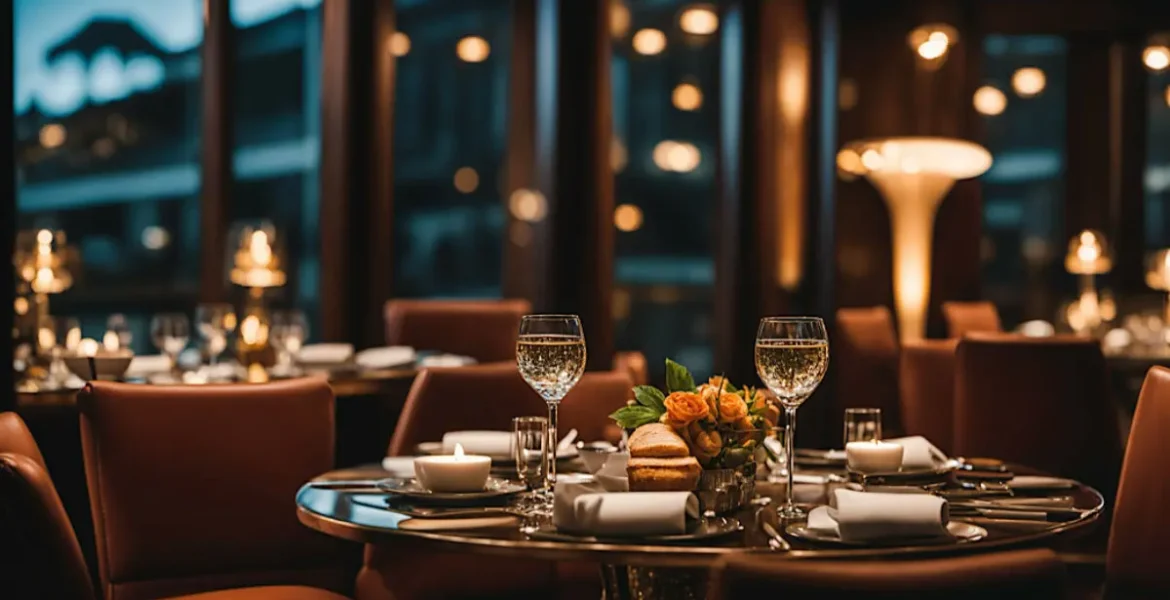
In 2026, the luxury dining experience centers on intentional opulence a seamless blend of hyper-personalization, sensory architecture, and emotional resonance. By integrating invisible technology and radical ingredient transparency, premier restaurants transform meals into immersive, multi-sensory narratives. This invisible ballet of service anticipates guest needs and engages all five senses, ensuring every visit feels like a world-class, unrepeatable journey.
The world’s most prestigious restaurants do more than serve food; they curate memories. In 2026, a seamless blend of hyper-personalization, sensory architecture, and emotional resonance defines the luxury dining experience. This intentional journey begins the moment a guest books a reservation and lingers long after the staff clears the final course.
By prioritizing Information Gain the unique value provided beyond a standard meal top establishments now focus on the fine dining customer experience as a holistic art form.
Essential Pillars of a Modern Luxury Dining Experience
For decades, luxury was synonymous with white tablecloths and stiff service. Today, the definition has shifted toward intentional opulence. This means every detail, from the acoustics of the room to the origin of the heirloom grains, must serve a specific purpose.
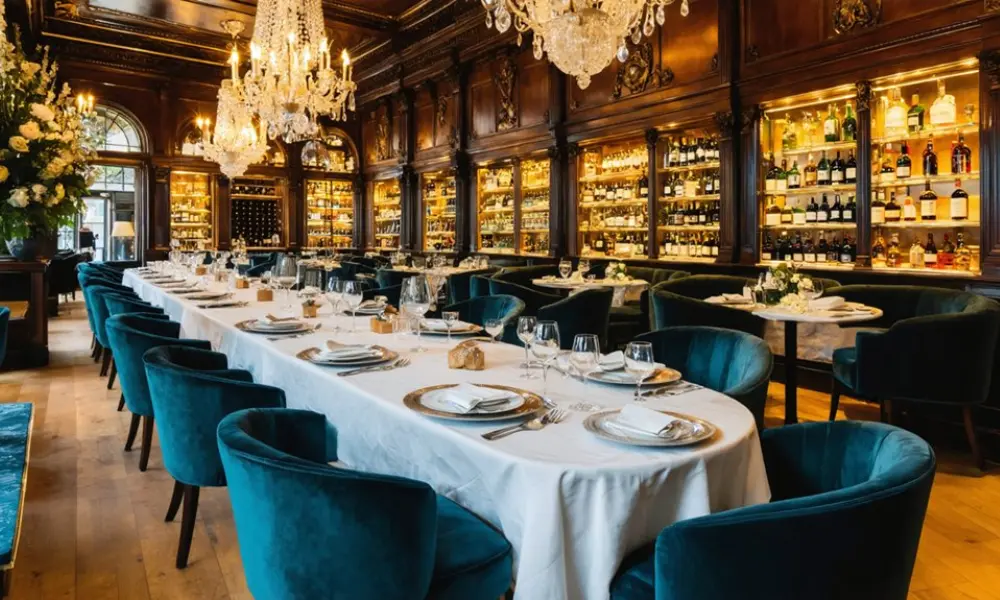
Across global culinary hubs like New York, Paris, Tokyo, and Copenhagen, the focus is no longer just on the plate, but on the narrative. Modern diners are searching for something they cannot replicate at home, even with the most advanced 2026 home-kitchen technology.
How Personalization Redefines Your Luxury Dining Experience
In the current landscape, luxury is less about the price tag and more about the story. Restaurants that dominate the market are those that move away from generic high-end tropes. Instead, they focus on a specific narrative perhaps a menu based entirely on a chef’s heritage or a dining room designed to mimic a specific ecosystem.
For Example, at Alchemist in Copenhagen, the restaurant divides the experience into distinct acts across various physical environments. This 50-course journey moves guests through a narrative that actively challenges their perception of food, art, and society. Modern hospitality experts consider this the pinnacle of the fine dining customer experience.
Why Intentionality Governs Guest Satisfaction
Intentionality means nothing happens by accident. If the server places a glass on the table, it is done with a specific grip to avoid fingerprints. If the lighting dims at 8:00 PM, it is timed to match the transition from appetizers to main courses. This level of detail builds an unspoken bond of trust with the guest.
Mastering Sensory Architecture within the Luxury Dining Experience
To create a truly fine dining customer experience, a restaurant must engage all five senses. If one sense is neglected, the illusion of luxury is broken. Leading establishments are now investing as much in their sensory architecture as they are in their executive chefs.
Acoustic Design and Bespoke Soundscapes
In 2026, leading restaurants have moved away from generic background music. Many now employ acoustic engineers to create sound zones.
This ensures that while the restaurant feels vibrant and full, guests at a private table can whisper and still be heard clearly by one another.
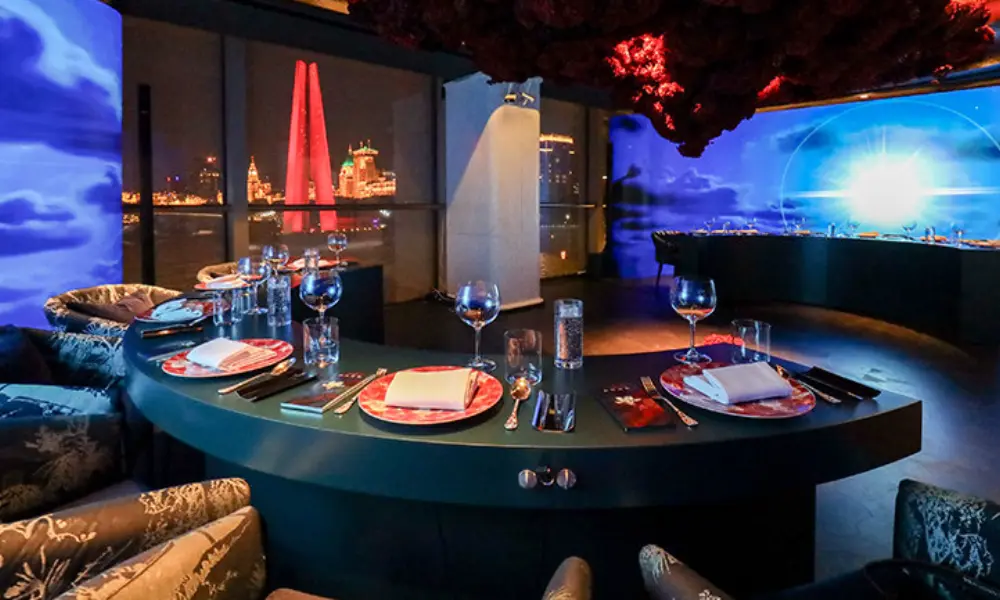
Some venues, such as Ultraviolet by Paul Pairet in Shanghai, take this further by using 360-degree projection mapping and synchronized soundscapes that change with every single course.
When a seafood dish is served, the room may transform into an underwater seascape accompanied by the sound of crashing waves.
Biophilic Design and Circadian Lighting of Luxury Dining Experience
The environment plays a massive role in digestion and mood. We see an estimated 40% increase in the use of biophilic elements, living walls, natural water features, and lighting that adjusts based on the time of day.
Warmth: Lighting that mimics the golden hour to enhance the visual appeal of the food.
Texture: Using raw stone and reclaimed wood to ground the experience in nature.
Scent: Subtle, non-intrusive aromas like cedar or citrus in the foyer to reset the palate before the first course.
Tactile Luxury: From Tableware to Textures
The touch aspect of dining is often undervalued. Luxury establishments invest in hand-blown glassware that feels weightless and bespoke ceramics that have a specific thermal density to keep food at the perfect temperature.
At Per Se in New York, the tactile quality of the linens and the weight of the silverware are calibrated to provide a sense of grounded permanence.
Global Benchmarks: Most Expensive and Immersive Dining in 2026
To understand the competitive landscape of the luxury dining experience, one must look at the establishments setting the price and quality ceilings. The following table highlights the world-class leaders as of April 2026.
Comparison of Global Luxury Dining Leaders (2026)
| Restaurant | Location | Estimated Cost (Per Head) | Key Differentiator |
| SubliMotion | Ibiza, Spain | $2,380 | Virtual reality and 20-course “gastronomic theater.” |
| Alchemist | Copenhagen, Denmark | $2,205 | Multi-sensory “Holistic Dining” across 50 courses. |
| Ginza Kitafuku | Tokyo, Japan | $2,130 | Focus on live, premium seafood and tableside artistry. |
| Ultraviolet | Shanghai, China | $1,547 | Psycho-sensory dining with scent and light immersion. |
| The French Laundry | Yountville, USA | $1,200 | Traditional French technique meeting Napa Valley terroir. |
| Caviar Russe | New York, USA | $975 | Grand Tasting menus focused exclusively on premium sturgeon roe. |
How Technology Refines the Luxury Dining Experience
Technology in luxury dining should be invisible. It shouldn’t feel like a tech demo; it should feel like effortless service.
The Power of Hyper-Personalization
Through the use of advanced guest preference data, a restaurant might know that you prefer sparkling water with a slice of lime before you even sit down. This is the heart of the fine dining customer experience in the digital age.
Dietary Intuition: Menus that are pre-printed to exclude a guest’s allergens without a word being exchanged.
Occasion Marking: Recognizing a promotion or anniversary with a tailored gift rather than a generic Happy Birthday song.
Digital Seamlessness and Agentic Commerce
The business side of dining booking and paying is where many experiences fail. The top-tier fine dining customer experience utilizes Agentic Commerce. Your digital assistant talks to the restaurant’s system to secure a table, handle the deposit, and even pre-select a wine pairing based on your personal cellar history.
Why Ingredient Transparency Drives the Luxury Dining Experience
Luxury restaurants never just serve steak. Instead, they present a specific cut from a specific farm where ranchers raised the cattle on a specialized diet.
Also, this radical transparency acts as a key differentiator in the market. In cities like London and Florence, premier establishments such as Enoteca Pinchiorri leverage their deep cellars and local heritage to provide an unmatched level of expertise. Consequently, they transform a simple meal into an authoritative culinary statement.
The Chef as a Researcher
Many high-end establishments now include a research and development component to their menu. Guests might be served a work in progress dish, inviting them into the creative process. This provides a sense of exclusivity the feeling of being an insider rather than just a customer.
Case Study: The Bloom Room and Nature Immersion
New concepts like the Bloom Room at Stanly Ranch in the Auberge Collection (USA) emphasize floral-forward menus. Here, the experience is about being inside a story, where the pasta is adorned with edible flowers from the property’s own garden, creating a literal connection between the land and the diner.
Engineering the Invisible Ballet of Service
The service aspect is often the hardest to master. It requires a balance of being present but not intrusive.
The Psychology of Modern Hospitality
The best servers are masters of body language. They can tell if a couple is having a serious conversation or if a business group is ready for the check just by observing their posture. This psychological expertise is what separates good service from a world-class luxury dining experience.
Post-Dining Memory Anchors
The experience doesn’t end at the door. Leading restaurants often provide a parting gift a small box of the chocolates served at the end, or a printed copy of the night’s menu and wine pairings. These physical artifacts serve as a memory anchor, ensuring the guest remains an advocate for the brand.
Regional Luxury Hotspots to Watch in 2026
If you are seeking a luxury dining experience, certain cities have become gastronomic archives of innovation.
Hong Kong, China: A massive range where street food heritage meets 3-Michelin-star sophistication.
Crete, Greece: Recently designated the European Region of Gastronomy 2026, focusing on Ancient Grains and hyper-local olive oils.
Venice, Italy: Experiencing a culinary renaissance with over 60 Michelin-recognized spots focusing on lagoon-based cuisine.
Riyadh, Saudi Arabia: A rising star in the luxury scene, blending traditional Arabic fare with global molecular gastronomy.
Conclusion
A luxury dining experience in 2026 is an intricate tapestry of sensory details, technological ease, and human connection. By focusing on the fine dining customer experience through the lens of intentionality and storytelling, restaurants create a presence that fast-casual dining cannot replicate.
Whether it is through acoustic design in New York, hyper-personalization in Tokyo, or ingredient transparency in Copenhagen, the goal remains the same: to make the guest feel like the only person in the world.
Frequently Asked Questions
What is the most important part of a luxury dining experience?
While food quality is foundational, consistency and personalization are the most important factors. A luxury experience is defined by the restaurant’s ability to anticipate a guest’s needs before they are voiced.
How has fine dining changed in 2026?
Fine dining has moved away from rigid formality toward immersive storytelling. There is a much heavier emphasis on sustainability, invisible technology, and multi-sensory environments that engage more than just the taste buds.
Does a luxury dining experience require a dress code?
Not necessarily. Many of the world’s most expensive restaurants have adopted Elegant Casual policies, shifting the focus from the guest’s attire to the quality of the hospitality and ingredients.
What should I look for in a high-end fine dining customer experience?
Look for Information Gain. A top-tier restaurant should provide you with knowledge or a perspective you didn’t have before whether that’s about a rare ingredient, a specific cooking technique, or a unique cultural narrative.
What are the top cities for luxury dining right now?
Venice, Hong Kong, New York, and Crete are currently leading the world in 2026 for diverse, high-end culinary innovation and immersive guest experiences.