

Occupational Wellness Examples for Work-Life Balance
In the modern corporate ecosystem, professional success is no longer measured solely by compensation tiers or corporate titles. While traditional employment frameworks prioritized raw output and extended desk hours, the contemporary labor landscape demands a deep commitment to human capital preservation. With professionals dedicating approximately one-third of their adult lives to vocational pursuits, the boundaries between professional stress and personal health have entirely dissolved.
When corporate environments neglect employee satisfaction, the consequences extend far beyond the office walls—manifesting as chronic stress, diminished psychological safety, and systemic burnout. Data confirms this crisis; global workforce studies indicate that nearly 60% of professionals report feeling emotionally detached at work, while a striking number describe their day-to-day corporate experience as actively draining.
True career sustainability requires a structured shift toward occupational wellness. This framework does not imply a sacrifice of professional ambition; rather, it introduces a strategic blueprint that treats professional fulfillment, emotional support, and personal boundaries as non-negotiable components of high-performance output.
This comprehensive workplace evaluation by Orilea analyzes the foundational elements of a healthy professional life, provides real-world corporate wellness examples, and outlines actionable frameworks for corporate leaders, entrepreneurs, and independent professionals navigating the business landscape of 2026.
What is Occupational Wellness in Simple Words?

Occupational wellness is all about how you feel about your job and how it fits into your life.
It’s not just about money, though pay does matter. Feeling valued, balanced, and fulfilled at work is equally important. A good job should give you purpose instead of draining your energy.
In other words, occupational wellness means:
- You enjoy what you do most days.
- You grow and learn new skills.
- You can balance work with personal life.
- You feel your efforts matter.
A simple way to think about it? If work feels like climbing a mountain, occupational wellness is what makes the climb exciting instead of exhausting.
Core Elements of a Healthy Work Life
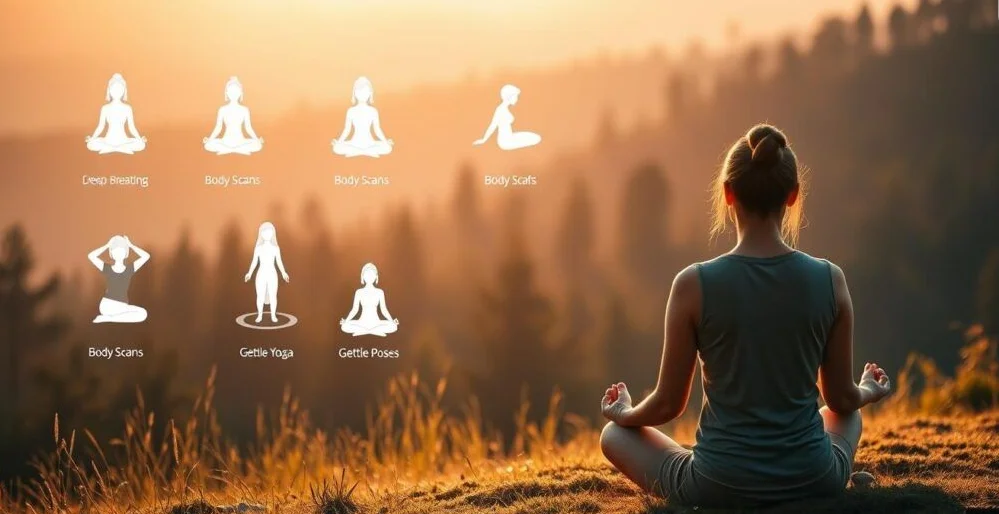
1. Work-Life Balance
Balance is the golden word in occupational wellness. Imagine trying to walk on a seesaw, if one side is too heavy, you’ll fall. That’s how life feels when work takes up all your energy.
Work-life balance means having time for family, hobbies, rest, and personal growth alongside your job. It’s not about working less, it’s about working smarter and setting boundaries.
A Harvard Business Review study found that employees with good work-life balance are 21% more productive and more satisfied with their jobs.
2. Job Satisfaction
A paycheck keeps the lights on, but satisfaction lights up your soul. When you enjoy what you do, Monday mornings don’t feel like punishment.
This doesn’t mean every task will be fun. But if your overall job gives you pride, joy, and recognition, you’re on the right path.
3. Professional Growth
Nobody likes being stuck in the same place forever. Growth means learning new skills, getting promotions, or even just taking on new challenges.
Jobs that offer growth keep you excited and motivated. On the other hand, when you feel like a hamster on a wheel, wellness goes downhill fast.
4. Mental and Emotional Support
Work isn’t just about physical tasks, it’s about emotions too. A healthy workplace cares for mental health by offering support systems, open communication, and recognition for effort.
The Entrepreneurial and Solopreneurial Isolation Crisis
While corporate employees must navigate organizational hierarchies, founders, freelancers, and independent builders face unique structural threats to their personal wellness.
The Danger of Over-Saturating the Workspace: Operating without a traditional corporate manager frequently leads independent operators to over-schedule their calendars, resulting in fragmented focus and creative exhaustion.
Architectural Separation of Environments: Solopreneurs must implement strict environmental controls—such as renting dedicated co-working offices or enforcing absolute digital logout windows—to prevent business operations from completely taking over their domestic living spaces.
The Power of Peer Advisory Networks: Building conscious connections with external mastermind cohorts and industrial networks serves as a powerful shield against professional isolation, offering critical emotional reassurance and objective strategic counsel.
Occupational Wellness Examples in Real Life
Let’s make it practical. Here are some simple, relatable examples:
1. Flexible Work Schedules
Instead of being chained to a 9-5, some companies let employees choose when they work. Parents can drop kids at school, night owls can work later, and early birds can start at sunrise.
This small change reduces stress and improves productivity. As the saying goes, “Happy cows give more milk,” and happy employees deliver better work.
2. Recognition Programs
Imagine working hard all week and no one notices. It feels awful, right? Recognition fixes that.
Simple thank-you notes, awards, or shoutouts in meetings make employees feel valued. A Glassdoor survey found that 81% of employees feel more motivated when their work is recognized.
3. Career Development Opportunities
A workplace that offers training, workshops, or mentorship shows employees that their future matters.
This keeps workers loyal and prevents the “stuck in a rut” feeling. It’s like watering a plant; growth happens when you’re nurtured.
4. Mental Health Support
Some companies now provide counseling, stress workshops, or wellness days. These small steps help employees manage stress before it turns into burnout.
Given that the World Health Organization (WHO) calls burnout an “occupational phenomenon,” this support is no longer optional; it’s necessary.
5. Positive Work Environment
Toxic workplaces drain energy. Positive environments, where people collaborate instead of compete, boost wellness. Supportive colleagues make challenges easier to handle, much like how persistence and resilience shape success stories such as Ben Whishaw’s inspiring journey.
Benefits of Prioritizing Occupational Wellness

Why does it matter so much? Because wellness at work doesn’t just affect the office, it affects everything.
- Better Productivity: Engaged employees are 21% more effective (Gallup).
- Stronger Health: Stress-free workers sleep better, have stronger immunity, and stay healthier.
- Lower Turnover: Companies with wellness programs see a 25% drop in turnover.
- Happier Life: When work supports you, your whole life feels more balanced and fulfilling.
Challenges That Hurt Occupational Wellness
Not every workplace gets it right. Here are common barriers:
- Burnout: Caused by long hours, no breaks, and constant pressure.
- No Growth Opportunities: Feeling stuck kills motivation.
- Toxic Work Culture: Gossip, favoritism, or poor leadership poison wellness.
- Unfair Pay: When work doesn’t match compensation, resentment builds.
As the idiom goes, “You can’t squeeze water from a stone.” If workplaces expect endless productivity without support, burnout is inevitable.
How Employers Can Support Wellness
Employers play a big role in shaping work culture. Here are proven strategies:
- Create wellness programs (gym memberships, counseling, wellness days).
- Encourage open communication and feedback.
- Offer career growth opportunities and mentorship.
- Provide fair pay and benefits.
- Set clear boundaries to prevent overwork.
When employees feel cared for, they give their best. It’s a win-win situation.
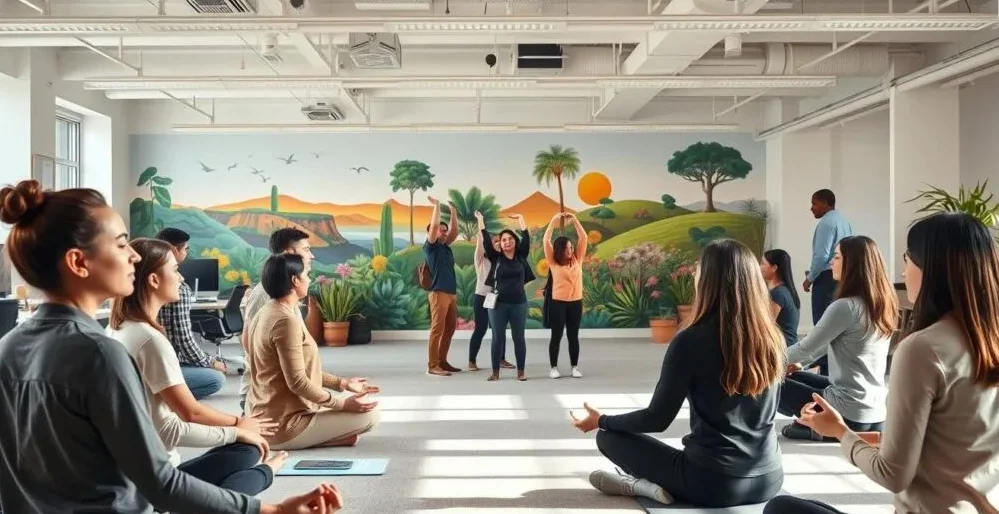
Occupational Wellness for Entrepreneurs and Freelancers
Self-employed workers often face different challenges. With no fixed schedules, it’s easy to overwork or blur personal and professional life.
Wellness for freelancers and entrepreneurs includes:
- Setting structured work hours.
- Creating a separate workspace at home.
- Managing financial stress with planning.
- Networking with peers for support.
As the saying goes, “All work and no play makes Jack a dull boy.” Freelancers especially need to protect their balance.
Technology’s Role in Occupational Wellness
Technology is both a blessing and a curse.
- Blessing: Tools like Slack, Zoom, and Notion make work smoother. Apps like Calm and Headspace reduce stress.
- Curse: Constant pings and long screen hours cause fatigue and stress.
The trick is using tech wisely, setting limits and taking digital breaks.
Structural Career Sustainability Roadmap
Cultivating long-term occupational wellness requires a systemic, phase-based approach to adjusting your personal professional habits or macro-level corporate infrastructure.
Conclusion: The Strategic Integration of Professional Mastery and Personal Health
Ultimately, the global optimization of occupational wellness represents a foundational shift in how society views human potential, career longevity, and modern corporate productivity. True professional success cannot be achieved through a model that requires the continuous sacrifice of mental or physical health. Instead, sustainable corporate dominance belongs to the organizations and independent visionaries who realize that elite creative output is directly tied to complete psychological safety, structured work-life boundaries, and continuous professional growth. By rejecting outdated industrial metrics and designing spaces that honor human longevity, we transform our daily labor into a source of personal empowerment, creative satisfaction, and lifelong purpose.
Here at Orilea, we study the core market indicators, luxury design choices, and corporate shifts that shape intentional living and contemporary business excellence. True status is never achieved through frantic, uncalculated overwork; it is forged by maintaining absolute control over your time, your intellectual trajectory, and your personal health. As the global business landscape continues to shift away from rigid, legacy employment practices toward fluid, value-driven corporate structures, prioritizing comprehensive occupational wellness serves as a timeless masterclass in how to turn professional ambition into a secure, harmonious, and deeply successful lifestyle empire.
Frequently Asked Questions (FAQs)
Q1: What is the most accurate definition of occupational wellness?
Occupational wellness is the deliberate alignment of your professional responsibilities with your personal values, talents, and life goals. It focuses on achieving deep job fulfillment, continuous skill advancement, and healthy operational boundaries that preserve personal time.
Q2: What are some concrete examples of corporate occupational wellness policies?
Actionable corporate policies include setting asynchronous communication rules, establishing transparent performance metrics, offering dedicated funding for continuous education, and implementing mandatory digital disconnect windows to prevent burnout.
Q3: How can an individual establish professional boundaries without hurting their career?
Boundaries should be framed around productivity optimization. Communicate to leadership that setting specific offline blocks ensures uninterrupted deep-work focus during working hours, resulting in significantly higher-quality project delivery.
Q4: Why are traditional workplace perks failing to solve the modern employee burnout crisis?
Shallow office trends fail because they do not address core systemic issues like excessive workloads, toxic management, poor communication, or lack of upward mobility. True wellness requires changing operational structures rather than offering minor workplace visual extras.
Q5: How can independent entrepreneurs maintain occupational wellness without a traditional manager?
Independent operators must act as their own operations managers by setting strict working schedules, using dedicated, separate physical workspaces, building external peer support networks, and scheduling non-negotiable financial and operational rest periods.