
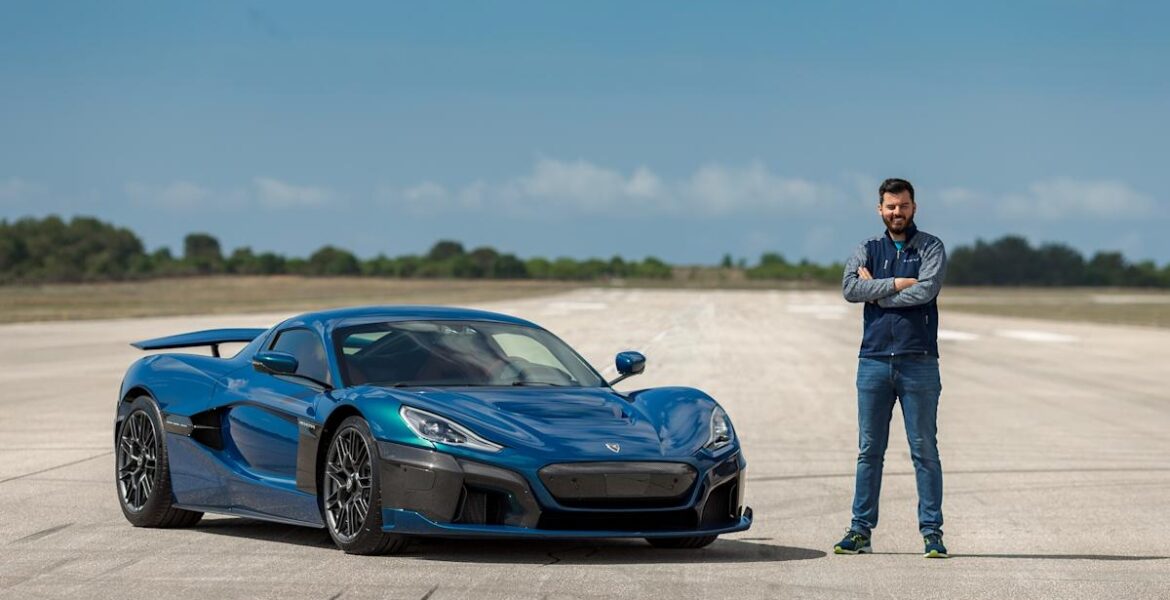
Mate Rimac’s Master Plan: Why Rimac Might Build a Gas-Powered Hypercar Next
Mate Rimac built his reputation by proving that electric hypercars can outperform nearly every combustion-powered rival on the planet. However, changing customer preferences and shifting hypercar market dynamics have created a new conversation. Many collectors now seek emotion, sound, and mechanical character alongside performance. This has led to growing speculation about a future rimac internal combustion hypercar. While no official project has been announced, several industry signals suggest that Rimac could eventually explore a combustion-powered or hybrid hypercar strategy. This article examines the business logic, market trends, and technological factors that make such a move increasingly plausible.
Key Takeaways
- Rimac remains a leader in electric hypercar technology.
- Hypercar buyers increasingly value emotional driving experiences.
- A rimac petrol hypercar could attract traditional collectors.
- Lessons from Bugatti may influence Rimac’s future strategy.
- Mate Rimac plans 2026 could include hybrid or combustion innovations.
- The next generation of rimac future cars may not be fully electric.
The Unexpected Shift in Mate Rimac’s Thinking
The automotive world once viewed Rimac as the company leading the electric revolution. Today, the conversation has become far more nuanced. Mate Rimac has openly discussed how hypercar buyers think differently from mainstream EV customers. These insights reveal important shifts within the luxury performance market.
Analyzing global consumer behavior shows that a rimac internal combustion hypercar makes immense business sense today. Wealthy multi-millionaires are no longer buying high-end vehicles just for sheet statistics. Instead, they are craving sensory feedback—vibrations, gear shifts, and exhaust notes—that battery packs simply cannot reproduce, forcing a massive strategic pivot.
From EV Pioneer to Industry Contrarian
Mate Rimac built his company around breakthrough battery technology and electric performance. The Nevera proved that electric hypercars could achieve extraordinary acceleration and record-breaking speed. Yet success in engineering does not always guarantee customer demand. Wealthy collectors often buy emotion instead of pure numbers.
Why Hypercar Buyers Want More Than Speed
Modern electric vehicles deliver incredible acceleration with little effort. Performance has become accessible across multiple brands and vehicle categories. Hypercar owners often seek experiences that feel rare and memorable. Engine sound remains deeply connected to automotive passion.
Why Electric Hypercars Are Facing New Challenges
Electric hypercars continue to demonstrate impressive technological achievements. However, market enthusiasm has not expanded as quickly as many experts expected. Buyers increasingly prioritize character and exclusivity over raw performance metrics. Even Ferrari, long associated with screaming V8s and V12s, recently entered this space with its own first fully electric supercar, showing that the industry’s shift toward silent performance is far from settled. This trend is reshaping future product planning.
When mapping out how mate rimac plans 2026 will look, industry insiders point directly toward consumer exhaustion with silent speed. The luxury segment thrives on theatrical presence. If an everyday electric saloon can achieve zero-to-sixty times close to a multi-million dollar vehicle, the exclusivity of owning an EV hypercar drastically drops.

The Nevera’s Sales Reality
The Rimac Nevera earned global attention for its remarkable capabilities. Its acceleration figures remain among the most impressive ever recorded. Despite these accomplishments, hypercar buyers have shown mixed enthusiasm. Performance alone no longer guarantees instant demand.
Performance Has Become Easy to Replicate
Electric powertrains provide instant torque and exceptional speed. Competing manufacturers now offer similar acceleration in multiple segments. This reduces the uniqueness that once defined ultra-expensive performance cars. Exclusivity remains a critical factor for luxury buyers.
Emotion Versus Technology
Technology continues to evolve faster than customer expectations. Many enthusiasts appreciate mechanical sensations that electric vehicles cannot fully replicate. Sound, vibration, and engine behavior create emotional engagement. These qualities often influence purchasing decisions more than specifications.
Why A Rimac Internal Combustion Hypercar Makes Strategic Sense
he concept of introducing an uncompromised rimac petrol hypercar into a strictly electric lineup sounds highly unorthodox. Yet, from a market capitalization viewpoint, it opens up a massive parallel pool of wealthy buyers who flat out refuse to buy cars with plugs. Securing these buyers keeps the firm profitable.
Furthermore, launching a limited-run rimac petrol hypercar creates an immediate asset appreciation loop for collectors. Since mechanical engines face strict regulatory phase-outs globally, a high-revving fuel engine bearing a modern tech badge immediately transforms into an incredibly rare, highly investable masterpiece from day one.
Collectors Still Love Engines
High-net-worth buyers frequently purchase vehicles as emotional assets. Many collectors grew up admiring naturally aspirated engines and exotic sounds. These memories influence modern purchasing behavior. Nostalgia remains a powerful force within luxury markets.
Scarcity Creates Demand
Limited-production vehicles often achieve stronger long-term desirability. A combustion-powered Rimac would immediately become a rare industry event. Such exclusivity could strengthen brand prestige and collector interest. Scarcity frequently drives premium pricing strategies.
Lessons From Bugatti Under Mate Rimac
The operational integration of rimac vs bugatti under a unified company structure highlights how the two engineering cultures are blending. While one brand represents raw digital power, the other is the absolute pinnacle of internal combustion heritage. Cross-pollinating these ideas allows both brands to thrive without stealing each other’s customers.
The financial results of the rimac vs bugatti co-development phase prove that high-net-worth individuals are perfectly fine spending more on mechanical marvels. By studying Bugatti’s roaring hybrid order books, engineers can seamlessly adapt high-rpm internal combustion setups for future custom projects.
The Tourbillon Philosophy
The Bugatti Tourbillon demonstrates that performance and emotion can coexist. Its powertrain focuses on delivering excitement alongside technological sophistication. Buyers value the sensory experience as much as outright speed. This approach challenges conventional EV thinking.
Why Combustion Is Still Valuable
Internal combustion engines remain symbols of craftsmanship and engineering artistry. Many collectors associate them with heritage and authenticity. These emotional factors create market value beyond measurable performance. Luxury purchasing decisions rarely depend on logic alone.
Rimac vs Bugatti Approach
While both brands share leadership connections, their identities remain distinct. Rimac emphasizes innovation and electrification. Bugatti focuses on heritage and mechanical theater. Future strategies may gradually bring these philosophies closer together.
| Factor | Rimac Nevera | Bugatti Tourbillon |
|---|---|---|
| Powertrain | Fully Electric | Hybrid V16 |
| Brand Focus | Innovation | Heritage and Innovation |
| Driving Character | Silent Performance | Mechanical Drama |
| Buyer Appeal | Technology Enthusiasts | Traditional Collectors |
| Future Direction | Electrification | Hybrid Evolution |
What Mate Rimac Plans 2026 Could Reveal
Industry observers closely monitor every statement regarding mate rimac plans 2026. Future product decisions could reveal how Rimac responds to changing market conditions. The company remains uniquely positioned between electrification and traditional performance. That flexibility creates interesting possibilities.
Potential Hybrid Architecture
Hybrid systems provide a practical middle ground for manufacturers. They combine electric performance with combustion character and engagement. This formula has already proven successful among luxury brands. Rimac possesses the expertise required for advanced hybrid development.
Internal Combustion Possibilities
A dedicated combustion-powered project would represent a major strategic shift. However, market demand may justify such an investment. Collectors increasingly seek vehicles offering unique emotional experiences. Rimac could capitalize on this trend effectively.
Technology Sharing Between Rimac and Bugatti
Technology collaboration creates efficiencies across development programs. Engineering expertise can move between brands without compromising identity. This relationship could accelerate future innovation efforts. Shared knowledge often reduces development risks.
How a Rimac Petrol Hypercar Could Look
A future rimac petrol hypercar would likely differ from conventional supercars. The goal would not be recreating the past. Instead, Rimac would probably combine advanced technology with mechanical excitement. Such a vehicle could redefine modern performance expectations.
Engine Possibilities
Several engine configurations could fit a future hypercar project. Naturally aspirated layouts remain particularly attractive for collectors. They deliver immediate response and emotional sound characteristics. These qualities remain highly valued among enthusiasts.
Hybrid Integration
Electric assistance could enhance performance without sacrificing character. Hybrid systems provide instant torque and improved efficiency. This approach aligns with broader industry trends. Many premium brands now favor hybrid architectures.
Performance Expectations
Any future Rimac model would need exceptional performance credentials. Customers expect groundbreaking engineering from the company. Advanced aerodynamics and lightweight construction would remain priorities. Performance leadership continues defining the brand.
The Future of Rimac Cars Beyond Pure EVs
The long-term roadmap for rimac future cars must adapt to a multi-powertrain landscape. Relying entirely on a single technology format limits market reach. By diversifying into synthetic fuels and high-performance hybrids, the company insulates itself from shifting global regulations and changing buyer moods.
To maintain elite search visibility, webmasters should implement a comprehensive hypercar seo metrics guide when writing about automotive tech shifts. This ensures that technical explanations rank accurately for search engine intents. For deeper mechanical insights, you can review authorized automotive engineering performance standards to see how modern drivetrains are built.
Multi-Powertrain Strategy
Future performance brands may embrace multiple powertrain solutions. Different customer groups prioritize different experiences and values. Offering diverse options creates broader market appeal. Flexibility may become a competitive advantage.
Hypercars for Enthusiasts
Enthusiast buyers increasingly seek emotional engagement and authenticity. Driving experiences matter more than isolated performance statistics. Brands that understand this shift gain important advantages. Emotional connection remains difficult to replicate.
The New Luxury Performance Market
Luxury buyers now expect both innovation and exclusivity. They want technology without sacrificing personality or heritage. Successful manufacturers balance these competing expectations carefully. This balance could define the next hypercar era.
Final Verdict: Will Rimac Actually Build One?
The evidence supporting a potential shift in powertrain design continues to grow. Market trends, collector preferences, and sister-brand influences all support the possibility. While no official confirmation exists, the strategic logic appears increasingly compelling. If industry conditions continue evolving, the company may eventually combine its electric expertise with combustion passion to create something entirely new. For automotive enthusiasts and industry watchers alike, this remains one of the most fascinating developments to follow, and digital publications such as Orilea will likely continue tracking every major signal surrounding the brand’s next big move.
FAQs
Is Rimac developing an internal combustion hypercar?
The company has not officially announced an internal combustion track car. However, ongoing industry shifts and collector feedback continue fueling speculation about alternative drivetrains.
Why are people discussing a petrol-powered Rimac model?
Many ultra-luxury car collectors prefer highly emotional driving experiences that include physical engine notes and mechanical engagement, which pure electric setups miss.
What are the company’s expected plans for 2026?
While full launch details are confidential, industry analysts expect them to showcase high-efficiency hybrid systems and next-generation lightweight chassis designs.
How do the two sister brands compare today?
One brand focuses entirely on pushing the absolute limits of electric power and software integration, while the other balances ultra-luxury heritage with high-end mechanical engineering.
Will future models from the brand remain strictly electric?
Electric platforms will always remain a core foundation of the company’s DNA. However, shifting global market demands are opening up clear paths for hybrid and high-performance fuel alternatives.