
- by Ayesha Mansha
- July 21, 2026
- 0
- 0
Lease vs Buy: What’s Better for a Luxury Car
Choosing between leasing and buying a luxury car depends on your driving habits, financial goals, and ownership preferences. Leasing offers lower monthly payments, access to newer models, and fewer maintenance concerns, while buying provides long-term ownership value and freedom. Understanding luxury car lease deals, financing options, depreciation, and total ownership costs helps buyers make a smarter decision in 2026.
Key Takeaways
- Leasing is ideal for drivers who want new luxury models frequently.
- Buying works better for people planning long-term ownership.
- Luxury car monthly payments vary based on financing terms and vehicle value.
- Depreciation plays a major role in luxury vehicle costs.
- The right choice depends on lifestyle, budget, and future plans.
Lease vs Buy Luxury Car: Understanding the Main Difference
In Lease vs buy luxury car we choosing a premium vehicle, many buyers struggle with the decision to lease or purchase. A luxury car represents a major financial commitment, so understanding both options is important before signing any agreement. The choice between leasing and buying depends on how long you plan to keep the vehicle and how much flexibility you need.
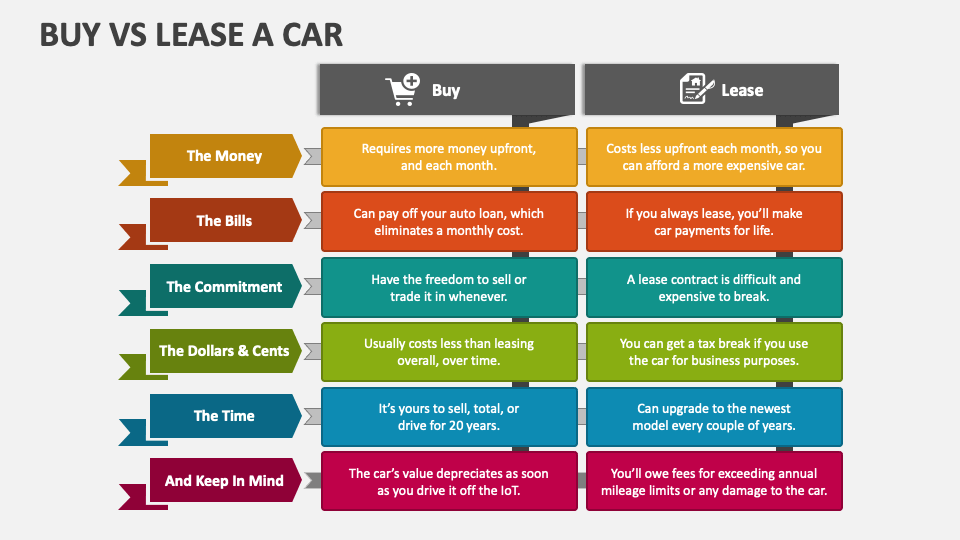
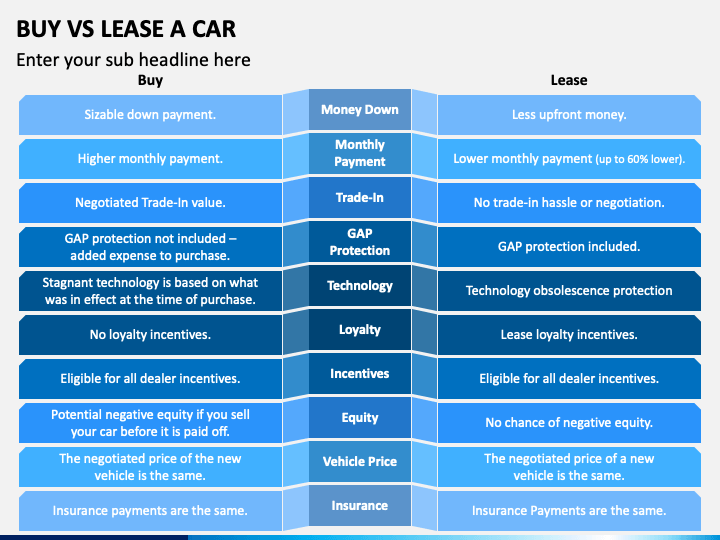
Leasing allows drivers to use a luxury vehicle for a fixed period without owning it. Buyers make monthly payments, follow mileage limits, and return the car when the lease ends. Buying, on the other hand, means building ownership equity while managing depreciation and maintenance costs over time.
The decision is not only about price but also lifestyle preferences. Some drivers prefer always having the latest technology and designs, while others value owning a vehicle completely. A proper comparison helps determine which option delivers better value.
How Luxury Car Leasing Works
A luxury car lease works similarly to renting a vehicle for several years. The customer agrees to a lease term, usually between two and four years, and pays monthly fees based on the vehicle’s depreciation during that period. Luxury car lease deals often include attractive incentives from manufacturers trying to encourage customers to upgrade regularly.
Lease payments are usually lower because you are not paying for the entire vehicle cost. To understand how leasing versus buying works at a fundamental level, the Consumer Financial Protection Bureau outlines the core differences in ownership and monthly obligations.
Most leases include mileage restrictions, commonly between 10,000 and 15,000 miles annually. Drivers who exceed those limits may face additional charges, making leasing better suited for people with predictable driving habits.
How Buying a Luxury Car Works
Buying a luxury vehicle means you become the owner after completing your financing payments. Many buyers choose this route because they want complete control over customization, mileage, and long-term use. Luxury car financing options allow customers to spread payments over several years while eventually owning the vehicle.
Although purchasing requires higher upfront costs, ownership can become more valuable over time. Once the loan is paid, drivers no longer have monthly payments and can continue using the vehicle. They can also sell the car later and recover some value through resale.
However, luxury vehicles often experience significant depreciation, especially during the first few years. Buyers should consider maintenance expenses, insurance costs, and resale value before making a final decision.
Luxury Car Lease vs Buy Cost Comparison in 2026
The financial difference between leasing and buying becomes clearer when comparing major ownership factors. Luxury vehicles typically have higher prices, meaning small payment differences can significantly affect your budget. Looking at monthly costs, ownership benefits, and long-term expenses helps create a realistic picture.
| Factor | Leasing a Luxury Car | Buying a Luxury Car |
|---|---|---|
| Monthly payments | Usually lower | Usually higher |
| Ownership | No ownership equity | Full ownership after payment |
| Upfront cost | Lower initial expenses | Larger down payment possible |
| Depreciation risk | Mostly handled by leasing company | Buyer absorbs depreciation |
| Vehicle upgrades | Easy after lease ends | Requires selling or trading |
| Mileage flexibility | Limited by agreement | Unlimited driving freedom |
| Customization | Usually restricted | Complete freedom |
For many drivers, luxury car monthly payments are the deciding factor. Leasing can provide access to expensive vehicles at manageable monthly costs, while buying may offer better value for those keeping the vehicle longer.
The best financial choice depends on your personal situation. Someone who changes vehicles every few years may benefit from leasing, while a long-term owner may save more by purchasing.
Advantages of Leasing a Luxury Car
Leasing has become popular among luxury buyers because it provides convenience and flexibility. Many premium drivers enjoy experiencing updated models without worrying about selling their current vehicles. It also reduces some ownership responsibilities.
Lower Monthly Payments and Less Upfront Cost
One major advantage of leasing is affordability. Since payments only cover the vehicle’s expected depreciation, monthly costs are often lower compared with traditional financing. This allows buyers to drive premium brands without committing to full ownership expenses.
Leasing can also require less money upfront. Many manufacturers provide special offers that reduce initial costs and make luxury vehicles easier to access.
Drive New Luxury Models More Frequently
Luxury car technology changes quickly, with new safety features, designs, and performance upgrades arriving every year. Leasing allows drivers to experience these improvements regularly without worrying about selling an older vehicle.
Drivers who enjoy switching vehicles frequently often find leasing more convenient. It provides access to newer models while maintaining predictable payment schedules.
Warranty and Maintenance Benefits
Most luxury leases remain within the manufacturer warranty period. This means many unexpected repair costs are reduced during the agreement. Drivers can enjoy premium vehicles with fewer concerns about major mechanical expenses.
Maintenance programs offered by luxury brands can further improve the leasing experience. This makes leasing attractive for customers who prioritize convenience and reliability.
Advantages of Buying a Luxury Car
Buying a luxury vehicle provides benefits that leasing cannot offer. Ownership gives drivers complete control over the car and allows them to build value over time. For people who plan to keep their vehicle for many years, purchasing may be the smarter financial decision.
While the initial costs are higher, ownership can become more rewarding after the loan is completed. Drivers no longer need to worry about lease expiration dates or mileage restrictions. They can continue enjoying their luxury vehicle without monthly financing obligations.
Long-Term Ownership Value
One of the biggest advantages of buying is creating ownership equity. Each payment increases your ownership stake until the vehicle becomes completely yours. This can provide financial value if you decide to sell the car later.
Luxury vehicles with strong resale value can offer better returns over time. Brands known for reliability and demand may maintain their value better than others. Buyers should research depreciation trends before selecting a specific model. Buyers should research depreciation trends before selecting a specific model. Some rare, collector-focused vehicles, like Ferrari models that will appreciate, can even buck this trend entirely.
No Mileage Restrictions
Unlike leasing, buying a luxury car gives you unlimited driving freedom. You can take long road trips, commute frequently, or use the vehicle however you prefer. There are no additional mileage charges or contract limitations.
This makes purchasing a better choice for drivers with unpredictable schedules. High-mileage drivers usually benefit more from ownership because they avoid lease penalties.
Better Choice for Long-Term Drivers
If you plan to keep your luxury vehicle for five years or longer, buying often makes more financial sense. The longer you own the car after paying off the loan, the more value you receive from your investment.
Long-term ownership also allows customization options. Owners can modify interiors, upgrade features, or personalize their vehicles without worrying about lease restrictions.
Best Luxury Car Lease 2026 Options to Consider
The luxury car market continues to grow in 2026, with manufacturers offering competitive leasing programs. Many premium brands provide attractive incentives to encourage customers to experience their latest models. Choosing the best luxury car lease 2026 option depends on your budget, driving needs, and preferred features.
Popular luxury vehicles often considered for leasing include:
- Mercedes-Benz sedans and SUVs with advanced technology features
- BMW models offering sporty performance and premium interiors
- Audi vehicles known for design and innovative systems
- Porsche models for drivers seeking performance-focused experiences
- Lexus vehicles offering comfort and long-term reliability
Luxury lease programs can change throughout the year based on market demand and manufacturer promotions. Comparing multiple offers helps buyers find better monthly payments and flexible terms. Luxury lease programs can change throughout the year based on market demand and manufacturer promotions. This is especially true among German luxury car brands, which frequently update incentives to stay competitive.
Before selecting a lease, consider factors such as mileage allowance, lease duration, upfront fees, and end-of-term conditions. A lower monthly payment does not always mean the best overall deal.
Lease vs Buy Luxury Car: Which Option Fits Your Lifestyle?
The right choice depends on your financial priorities and how you use your vehicle. There is no universal answer because luxury car buyers have different expectations. Some value convenience, while others focus on ownership and long-term savings.
Choose Leasing If You Want:
Leasing may be the better option if you prefer driving newer vehicles frequently. It works well for professionals who enjoy updated technology, premium comfort, and predictable expenses.
Leasing is suitable for people who:
- Want a new luxury vehicle every few years
- Prefer lower monthly payments
- Do not drive excessive mileage
- Want fewer repair concerns
- Enjoy manufacturer warranty coverage
For many urban drivers, leasing provides a simple way to enjoy premium vehicles without handling resale responsibilities.
Choose Buying If You Want:
Buying is often better for drivers who view their vehicle as a long-term investment. It provides freedom, ownership benefits, and fewer restrictions after completing payments.
Buying works well for people who:
- Plan to keep their vehicle for many years
- Drive higher annual mileage
- Want complete customization freedom
- Prefer building vehicle equity
- Want to avoid lease return conditions
Understanding your lifestyle makes the buying vs leasing a car decision much easier.
Hidden Costs to Consider Before Choosing
Many buyers focus only on monthly payments and overlook additional expenses. A luxury vehicle requires careful financial planning because ownership costs extend beyond the purchase price. Considering all expenses helps prevent unexpected financial pressure.
Important costs include:
- Insurance premiums for luxury vehicles
- Maintenance and repair expenses
- Registration and taxes
- Depreciation value
- Financing interest rates
- Lease-end charges
Depreciation is especially important when buying luxury cars. Some premium vehicles lose significant value within the first few years, affecting overall ownership costs.
Leasing reduces depreciation concerns because the leasing company manages the vehicle’s future value. However, buyers should still understand contract fees and mileage requirements before signing.
Final Thoughts
Deciding between leasing and buying a luxury car requires understanding your personal needs and financial goals. Both options offer unique advantages depending on your lifestyle, driving habits, and future plans.
A lease provides convenience, modern features, and manageable costs, while buying creates ownership value and long-term flexibility. By comparing luxury car lease deals, financing options, depreciation, and monthly expenses, you can make a more confident decision.
The luxury vehicle experience should match your priorities, not create unnecessary financial pressure. Whether you choose leasing or ownership, careful research ensures you enjoy your premium car with confidence.
Conclusion
The choice between leasing and buying a luxury vehicle depends on your goals, budget, and driving habits. Leasing provides flexibility, lower payments, and access to the newest models. Buying offers ownership, freedom, and potential long-term savings. If you enjoy upgrading frequently and want predictable expenses, leasing may be the ideal solution. However, if you want complete ownership and plan to keep your vehicle longer, purchasing may deliver better value.
A thoughtful decision requires comparing financing options, maintenance costs, depreciation, and personal preferences. Resources like orilea can also help readers explore additional insights about luxury lifestyles, premium vehicles, and smart ownership decisions. Ultimately, the best option is the one that matches your financial situation and driving lifestyle. A luxury car should provide enjoyment without creating unnecessary financial stress.
Frequently Asked Questions
1. Is it cheaper to lease or buy a luxury car?
Leasing usually offers lower monthly payments because you only pay for depreciation during the lease period. Buying may cost more initially but can become cheaper over many years because you eventually own the vehicle.
2. What are the best luxury car lease deals in 2026?
The best luxury car lease deals depend on current manufacturer incentives, vehicle demand, and your location. Mercedes-Benz, BMW, Audi, Lexus, and Porsche often provide competitive leasing programs.
3. How much are luxury car monthly payments?
Luxury car monthly payments vary based on vehicle price, credit score, down payment, interest rates, and financing terms. Lease payments are usually lower than purchase payments for similar models.
4. Should I choose luxury car financing options or leasing?
Luxury car financing options are better for buyers who want ownership and long-term use. Leasing is better for drivers who prefer lower payments and frequent vehicle upgrades.
5. Is buying a luxury car better than leasing?
Buying is better for drivers who keep vehicles for many years and want ownership benefits. Leasing is better for those who value flexibility and regularly want newer models.

Ayesha Mansha
I'm the Co-Founder of Orilea.com, covering luxury fashion, wellness, and travel. I write for readers who live with intention and an eye for style.
@AyeshaMansha | ayesha@brandclickx.com