
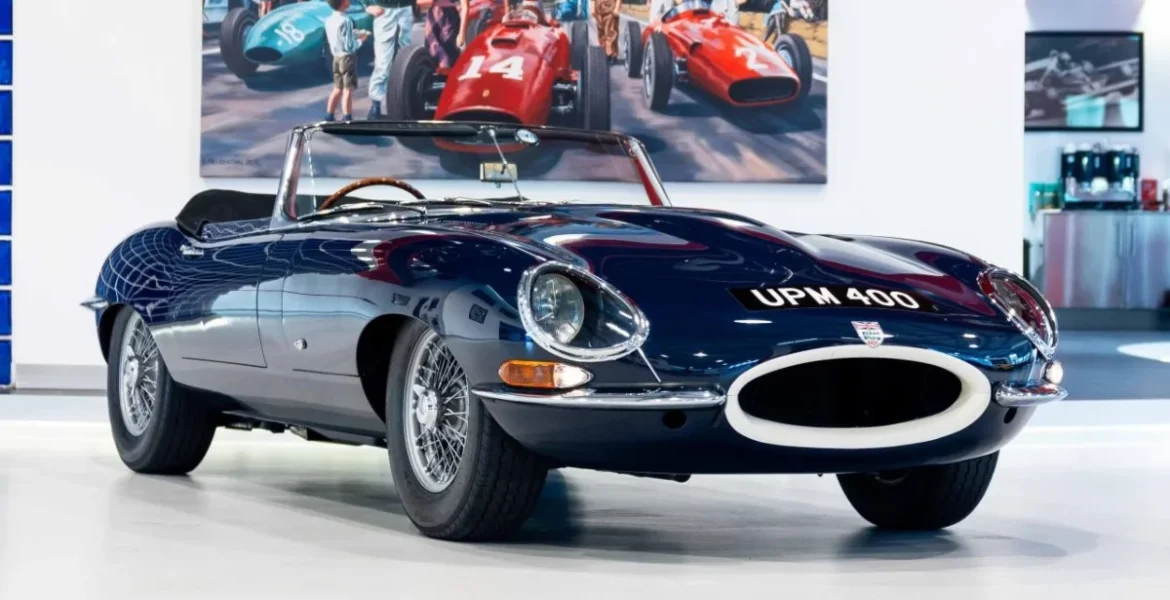
Investing in Classic Cars: A 2026 Guide to ROI, Auctions
A 1955 Mercedes-Benz 300SL Alloy Gullwing sold for $6.8 million at RM Sotheby’s Scottsdale auction. That headline pulls people in, but most guides skip the boring math behind real returns. Investing in classic cars is not a fast track to wealth, so buyers need clear numbers, not hype. At Orilea, we cover luxury living, alternative assets, and smart money moves. This guide breaks down real ROI, top picks for 2026, US tax rules, fractional ownership, and how to actually sell when the time comes.
Why Investing in Classic Cars Is Different in 2026
The classic car market has shifted. Pre-war exotica still pulls big numbers at top auctions, also modern classics from the 1980s and 1990s are leading the charge now. Gen X and Millennial buyers are entering the market, and they want cars they grew up admiring.
Basically, this is not the 2021 pandemic bubble. Prices on entry-level classics have cooled, meanwhile blue-chip cars with strong provenance keep climbing. The Hagerty Market Index shows steady growth in select segments, so timing and model choice matter more than ever. Younger collectors chase analog Ferraris, manual Porsches, and Japanese supercars, whether for nostalgia or driving experience.
Classic Car ROI: What the Real Numbers Say
The honest truth about classic car ROI is that it lags the S&P 500 on average. Hagerty data shows collector cars returned 4.6% annualized between 2018 and 2023. So while that beats inflation, it does not beat a basic index fund.
| Asset Class | 5-Year Return | Volatility |
|---|---|---|
| Collector cars | 4.6% annualized | Medium |
| S&P 500 | ~10% annualized | Medium |
| Gold | ~8% annualized | Low |
| Fine art | ~7% annualized | Low |
Hidden costs eat into returns. Restoration alone can run up to 25% of the sale price, also storage, insurance, and maintenance add another chunk every year. Consequently, a $50,000 car held for five years might cost an extra $20,000 in upkeep before you sell. Classic car ROI only works when the buyer treats it as a long-term hold and picks the right model.
Top Collectible Luxury Cars to Watch in 2026
The market for collectible luxury cars splits into three clear tiers. Each one fits a different budget and risk level.
Blue-Chip Collectible Luxury Cars Over $250K
These are the trophies. Limited production, strong racing history, and global recognition keep prices stable.
- 1955 Mercedes-Benz 300SL Gullwing
- Ferrari 250 GT
- Porsche 911 (early air-cooled)
- Aston Martin DB5
Mid-Tier Picks Under $100K
This is where most serious collectors play. Values are climbing, also liquidity stays decent.
- Porsche 911 (964 generation)
- BMW E46 M3
- Honda NSX (first generation)
- Ferrari F430 manual
Entry-Level Classic Cars Under $30K
You don’t need millions to start. These collectible luxury cars offer real upside without crushing maintenance costs.
- 1965 Ford Mustang
- Mazda MX-5 (NA)
- Volkswagen Vanagon
- Honda S2000
Vintage Car Auction Trends Driving Prices in 2026
Vintage car auction trends tell the story of where the market is headed. Modern classics keep outperforming pre-war cars because younger buyers drive demand. Manual gearboxes also command big premiums, so a manual Ferrari F430 sells for far more than its automatic twin.
Provenance is everything. Cars with motorsport history or famous prior owners pull record bids, and Schumacher-era F1 cars are projected to clear $10 million at auction. Online bidding has also opened the market to global buyers, which pushes prices higher across all tiers.
The big US auction houses to watch are Barrett-Jackson (Scottsdale), RM Sotheby’s (Monterey), Mecum (Indianapolis), and Gooding & Co. These houses set the benchmarks that smaller auctions follow.
How to Start Investing in Classic Cars
Jumping in without a plan is the fastest way to lose money. Follow these steps.
- Set a Budget for Investing in Classic Cars: Decide what you can lose, not just what you can spend. Investing in classic cars ties up capital for years, so use money you don’t need soon.
- Research Make, Model, and Provenance: Read forums, attend shows, and study Hagerty valuation tools. Learn what makes one example worth double another.
- Authenticate the Car: Check the VIN, matching numbers, and full ownership history. Forged documents are common, so verification protects you.
- Hire an Appraiser Before You Buy: A certified appraiser costs a few hundred dollars and can save you tens of thousands. They spot rust, hidden damage, and incorrect parts.
- Plan Storage, Insurance, and Maintenance Upfront: Climate-controlled storage, agreed-value insurance, and a trusted mechanic are not optional. Budget for them before you buy.
Fractional Ownership: A New Way of Investing in Classic Cars
Not everyone can drop $500,000 on a Ferrari, so fractional ownership has opened investing in classic cars to smaller investors. Platforms like Rally, Collectable, aShareX, and Drift Capital let people buy shares in vetted vehicles.
The upside is real, lower entry cost, no maintenance, no insurance hassle, and instant diversification. The downside hurts though. You can’t drive the car, exits can take years, and the platform itself carries risk. The Classic Car Fund, a Swiss-managed pool, collapsed in 2023 because of valuation disputes. So choose platforms with strong track records and clear redemption rules.
US Tax Rules and Insurance for Classic Car Investors
The IRS treats classic cars as collectibles, not regular investments. Long-term gains on collectibles can be taxed up to 28%, which is higher than the 15–20% rate on most stocks. Also, the 1031 like-kind exchange no longer applies to vehicles after the 2017 Tax Cuts and Jobs Act.
Insurance matters just as much. Standard auto policies use actual cash value, meanwhile classic car insurance uses agreed value. Agreed value pays a set amount if the car is totaled, so you avoid lowball payouts. Most policies cap annual mileage and require secure storage, because insurers know cars sitting in garages get damaged less often.
Risks of Investing in Classic Cars You Should Know
Every investor should understand the downside before writing a check.
- Illiquidity: Selling a classic car can take months, especially for niche models.
- Maintenance costs: Annual upkeep can hit 20% of the car’s value.
- Forgery and fraud: Counterfeit parts and fake provenance papers are common.
- Regulatory risk: Emissions zones in major US cities limit where older cars can drive.
How to Sell a Classic Car for Maximum ROI
Selling smart is half the battle. The three main exit paths are auction houses, private sales, and dealer consignment.
Auction houses bring global buyers, but the seller’s premium runs 10–12%. Private sales keep more profit, also they take longer and require strong marketing. Dealer consignment falls in the middle on both fees and speed.
Spring is the strongest selling season because Amelia Island, Scottsdale, and Monterey events drive buyer attention. Build a complete documentation file with service records, photos, and authentication papers because buyers pay more for cars with clear histories.
Final Thoughts
Investing in classic cars rewards patience, research, and discipline. Returns are modest compared to stocks, also the personal enjoyment and tangible ownership are real benefits no index fund can match. Modern classics from the 1980s and 1990s are leading 2026 trends, meanwhile total cost of ownership remains the trap most buyers fall into.
Whether you buy a $25,000 Mustang or share a Ferrari through a fractional platform, the same rules apply, know the numbers, plan the exit, and never buy on impulse. For more guides on luxury investing, alternative assets, and modern living, Orilea has you covered.
Frequently Asked Questions
Is investing in classic cars profitable in 2026?
Yes, with average returns of 4.6% annually based on Hagerty data, though profits depend heavily on the model, condition, and holding period.
What is the best classic car ROI in the under-$50K range?
Modern classics like the Porsche 911 (964), Honda NSX, and BMW E46 M3 lead the under-$50K bracket because of rising demand from younger collectors.
How are vintage car auction trends shaping prices?
Modern classics from the 1980s and 1990s, manual gearboxes, and cars with motorsport provenance are outperforming traditional blue chips at major US auctions.
Are collectible luxury cars taxed differently in the US?
Yes, the IRS treats them as collectibles, so long-term gains can be taxed up to 28% federally, which is higher than stocks.
How long should I hold a classic car investment?
Most experts suggest a minimum 5–7 year holding period to offset maintenance, insurance, and transaction costs before any real profit shows up.