
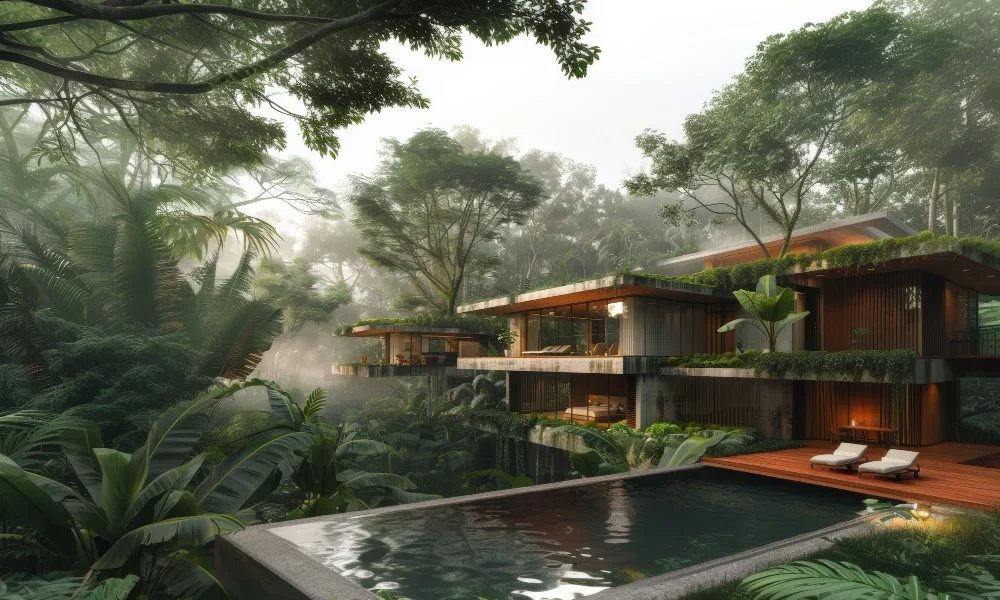
Sustainable Luxury Homes: Future of Smart, Green Living
The global high-end real estate landscape is undergoing a permanent structural transformation. Luxury is no longer measured solely by square footage, gilded details, or sheer material excess. Instead, the modern standard of premium living is defined by ecological responsibility, structural efficiency, and long-term asset resilience.
High-net-worth individuals are shifting their focus toward properties that harmoniously combine cutting-edge architectural design with advanced sustainable systems. This shift has turned eco-friendly estates from a niche preference into an essential standard for premium investments.
As we look at the real estate market of 2026, sustainable luxury homes represent the absolute peak of modern architecture. By combining advanced AI-driven building automation with renewable energy grids and high-performance building materials, these green mansions provide clean, healthy living spaces while protecting your capital from rising energy costs and changing environmental regulations.
This comprehensive investment and design guide by Orilea explores the core engineering, high-end aesthetics, and financial advantages shaping the future of elite residential real estate.
Sustainable Luxury Homes and Their Modern Architectural Vision
Sustainable luxury homes are designed with a strong focus on both beauty and performance. Architects no longer think only about appearance. Instead, they plan homes that work in harmony with nature. As a result, every element serves a dual purpose: style and sustainability.
First of all, the orientation of the home is carefully planned to capture natural sunlight. This reduces electricity usage while also improving indoor comfort. Furthermore, cross-ventilation techniques lower dependency on air conditioning.
Another major factor is insulation. Advanced insulation systems maintain indoor temperature efficiently. Consequently, energy loss is minimized throughout the year.
Because of these factors, sustainable estates now compete directly with traditional luxury mansions.
How Eco-Friendly Luxury Houses Balance Comfort and Responsibility

Freepik
Eco-friendly luxury houses offer comfort without waste. In the past, luxury often meant excess. However, modern green mansions are about intelligent use of resources. As a result, homeowners now experience luxury that feels lighter, smarter, and healthier.
For example, indoor air quality is dramatically improved through non-toxic paints and advanced filtration systems. Therefore, residents enjoy cleaner breathing environments. Moreover, natural stone, organic fabrics, and sustainably sourced furniture improve both aesthetics and safety.
At the same time, water-saving systems ensure responsible usage without reducing comfort. Rainwater harvesting supports gardening, and greywater recycling reduces waste.
Here are the most essential features found in premium sustainable homes:
- Solar energy systems with battery storage
- Smart climate control with automated energy optimization
- Triple-glazed energy-efficient windows
- Rainwater harvesting and filtration systems
- Sustainable landscaping with drought-resistant plants
- Non-toxic interior materials for healthier living
Smart Green Home Technology That Enhances Daily Living

Freepik
Smart home technology is the backbone of modern sustainable housing. However, it is not just about automation. Instead, it is about making homes intelligent and resource-aware.
Firstly, smart thermostats learn your daily habits. Because of this, they adjust temperature automatically and prevent unnecessary energy use. Secondly, energy monitoring dashboards allow homeowners to track real-time electricity, water, and gas usage.
Key Features of Premium Sustainable Luxury Homes
- AI-based energy optimization controllers
- Automated shading systems for heat control
- Smart irrigation for minimal water waste
- Voice-controlled home management systems
- Grid-connected solar power monitoring
Energy-Efficient Construction for Long-Term Savings
Energy-efficient construction is the backbone of sustainable luxury homes because it ensures long-term comfort, performance, and cost savings. Without intelligent construction methods, even the most beautiful home cannot deliver lasting environmental or financial benefits.
Insulated Concrete Forms for Stronger Structures
Insulated concrete forms are widely used in modern sustainable construction because they provide excellent thermal insulation and structural durability. These forms minimize heat loss during winter and reduce heat gain during summer, which helps maintain comfortable indoor temperatures throughout the year.
Structural Insulated Panels for Thermal Efficiency
Structural insulated panels improve energy performance by sealing gaps that usually cause air leakage. Because of their airtight design, these panels reduce the workload on heating and cooling systems while also improving overall indoor comfort.
Green Roofing for Natural Climate Control
Green roofing systems help regulate indoor temperature by adding an extra insulation layer above the home. During hot weather, they reduce heat absorption, and during colder months, they help retain warmth, making living spaces more energy stable.
Passive House Design Principles
Passive house design focuses on airtight construction, controlled ventilation, and high-efficiency insulation. This approach allows homes to maintain consistent indoor temperatures with very little energy input, making luxury living both comfortable and sustainable.
High-Efficiency Heating and Cooling Systems
Modern energy-efficient luxury homes use advanced HVAC systems that consume less power while delivering stronger performance. These systems adjust output based on real-time indoor needs, cutting energy waste and lowering long-term utility costs.
Sustainable Interior Design That Reflects High-End Elegance

Freepik
Luxury is no longer defined by excessive decoration. Instead, it is described by thoughtful simplicity. Sustainable interior design allows beauty to shine without environmental burden.
Firstly, natural textures dominate: wood, linen, stone, leather, and clay finishes. These materials age gracefully and reduce harmful chemical exposure. Secondly, neutral colour palettes enhance light reflection and psychological calm.
Let us now look at key interior features that reflect sustainable elegance:
- Low-VOC paints and eco-certified adhesives
- Custom furniture made from reclaimed wood
- Organic bedding and upholstery
- Energy-efficient LED chandelier systems
- Natural ventilation-focused layouts
Architectural Comparison: Traditional Estates vs. Sustainable Luxury Homes
Understanding the structural differences between traditional luxury builds and modern sustainable estates highlights why green engineering has become the preferred choice for elite buyers.
| Design & Engineering Feature | Traditional Luxury Mansions | Modern Sustainable Luxury Estates | Asset Appreciation Grade |
| Primary Energy Source | Standard local fossil-fuel grid. | Integrated solar roofing with local battery storage. | Extremely High |
| Climate Regulation | High-consumption, single-stage HVAC. | Geothermal loops and smart multi-zone variable air systems. | Extremely High |
| Structural Building Framing | Standard timber or basic concrete. | Insulated Concrete Forms (ICF) & Structural Insulated Panels (SIPs). | High |
| Indoor Environmental Health | Standard synthetic paints and materials. | Certified zero-VOC finishes and hospital-grade air filtration. | Very High |
| Water Management Systems | Direct municipal lines with high runoff. | Rainwater harvesting and automated greywater recycling. | Very High |
| Exterior Landscape Design | Large, water-intensive non-native lawns. | Native, drought-tolerant plants with smart drip systems. | Strong |
Renewable Energy Systems Powering Green Mansions
Renewable energy is no longer optional for luxury builders. Today, it defines the future of high-end housing. Solar panels, wind turbines, and geothermal systems provide clean power while lowering long-term costs.
Solar energy, in particular, offers the best return on investment. Modern solar roofs now blend seamlessly with luxury architecture. As a result, they do not affect aesthetic quality.
Geothermal heating, on the other hand, offers consistent indoor temperatures throughout the year. Although installation costs are high initially, operating costs remain extremely low.
Water Conservation Systems in Sustainable Estates
Water is becoming one of the world’s most precious resources. Because of this, modern green estates focus heavily on water management. Instead of wasting water, smart systems recycle and reuse it efficiently.
Rainwater harvesting collects rooftop water and stores it for irrigation and non-drinking use. Greywater recycling processes use water from sinks and showers for landscaping purposes. Therefore, water waste is drastically reduced.
Moreover, low-flow fixtures and smart faucets limit excessive water usage without reducing pressure. As a result, luxury comfort remains unaffected.
Location Planning and Landscape Sustainability
A sustainable home is not limited to the structure alone; it also includes the surrounding land and how it interacts with nature. Eco-conscious location planning plays a vital role in reducing environmental disruption while maintaining long-term ecological balance. Through smart land use, responsible planting, and advanced surface design, sustainable estates successfully create harmony between architecture and nature while protecting soil, water, and biodiversity.
Key Feature:
Homes are constructed in areas that require minimal land grading to preserve the natural soil structure.
Native plants are used in gardens because they need less water and easily adapt to the local climate.
Permeable pavements allow rainwater to recharge underground water levels naturally.
These surfaces help prevent flooding, soil erosion, and water runoff damage.
Long-Term Investment Value of Sustainable Luxury Properties
Sustainable luxury homes are not just lifestyle assets. They are also powerful financial investments. As global regulations tighten and energy costs rise, green properties gain stronger market value.
Firstly, eco-certified homes sell faster than traditional houses. Secondly, they retain higher resale prices because future buyers prioritize efficiency and sustainability.
Moreover, tax benefits, government incentives, and reduced utility expenses improve net ownership returns. Therefore, luxury sustainability also delivers strong financial performance.
Sourcing Value: The Execution Timeline for Premium Green Development
Building an investment-grade sustainable estate requires following a precise, highly managed development plan.
Why High-Net-Worth Buyers Prefer Sustainable Homes Today
Modern buyers are more informed than ever. They do not want properties that strain resources or cause long-term damage. Instead, they want homes that reflect intelligence, responsibility, and future readiness.
Sustainable luxury homes offer emotional satisfaction along with physical comfort. Homeowners feel proud of living in spaces that protect nature while enhancing lifestyle quality.
Conclusion: Setting the Standard for Future-Proof Luxury
Sustainable luxury homes represent the perfect harmony of refined design, advanced engineering, and long-term financial foresight. They prove that true premium living doesn’t require wasting natural resources. Instead, it relies on smart planning, innovative clean technology, and deep respect for the environment.
Here at Orilea, we are committed to showcasing the absolute peak of purposeful luxury lifestyle innovations. By investing in sustainable architecture today, you are doing far more than securing a stunning, high-performance home—you are acquiring a resilient financial asset that will protect your family, your capital, and the planet for generations to come.
Frequently Asked Questions (FAQs)
Q1: What defines a sustainable luxury home in the modern market?
A sustainable luxury home combines elite architectural design with high-performance eco-conscious engineering. These properties feature independent renewable energy systems, airtight construction, smart automated management technology, and non-toxic materials.
Q2: Do modern solar roofs reduce the visual appeal of a luxury estate?
Not at all. Modern solar roofing technology uses sleek, low-profile tempered glass tiles that match the textures of classic slate or ceramic tiles. They integrate seamlessly into upscale architecture, protecting the home’s visual design while generating clean energy.
Q3: How do Insulated Concrete Forms (ICF) improve a home’s value?
ICF systems create exceptionally strong concrete walls sandwiched between thick layers of insulation. This design offers elite energy savings, blocks outside noise, and provides superior structural resistance against extreme weather events, making the home a safer investment.
Q4: Why is indoor material selection critical for eco-conscious luxury properties?
Standard building materials often release trace chemical fumes into the air over time. Sustainable luxury homes prevent this by using certified zero-VOC paints, natural stone, and organic fabrics, ensuring exceptionally clean indoor air and a healthier living environment.
Q5: Do sustainable luxury properties retain higher resale value over time?
Yes. With buyers prioritizing resource efficiency and green regulations increasing, certified eco-friendly estates sell faster and hold higher market values than traditional energy-heavy mansions, making them excellent long-term investments.