

Rabies Shot for Dogs: Essential Guide for Every Pet Owner
Understanding the importance of a rabies shot for dogs is crucial for every dog owner. Rabies is a deadly virus that affects the nervous system and can be transmitted to humans. Because of its severity, vaccination is the most effective way to prevent this disease.
Many dog owners often ask: Why do dogs need a rabies shot, and how often should it be given? This article answers these questions in detail and helps you make informed decisions for your pet’s safety.
What Is a Rabies Shot for Dogs and How Does It Protect Them
A rabies shot for dogs is a vaccine that prevents dogs from contracting the rabies virus. Once administered, it stimulates the dog’s immune system to produce antibodies that fight off the virus if exposed. The vaccine is safe, effective, and recommended by veterinarians worldwide.
Dogs of all ages, whether indoor or outdoor, can be exposed to rabies through bites from wild animals like bats, raccoons, or stray dogs. Early vaccination protects both pets and their human families from this fatal disease.
Key Benefits
• Protects dogs from a 100% fatal disease
• Reduces risk of transmission to humans
• Builds long-term immunity with booster shots
• Ensures compliance with local laws and regulations
• Prevents quarantine and legal issues after animal bites
Why Rabies Vaccination Is Critical for Dogs
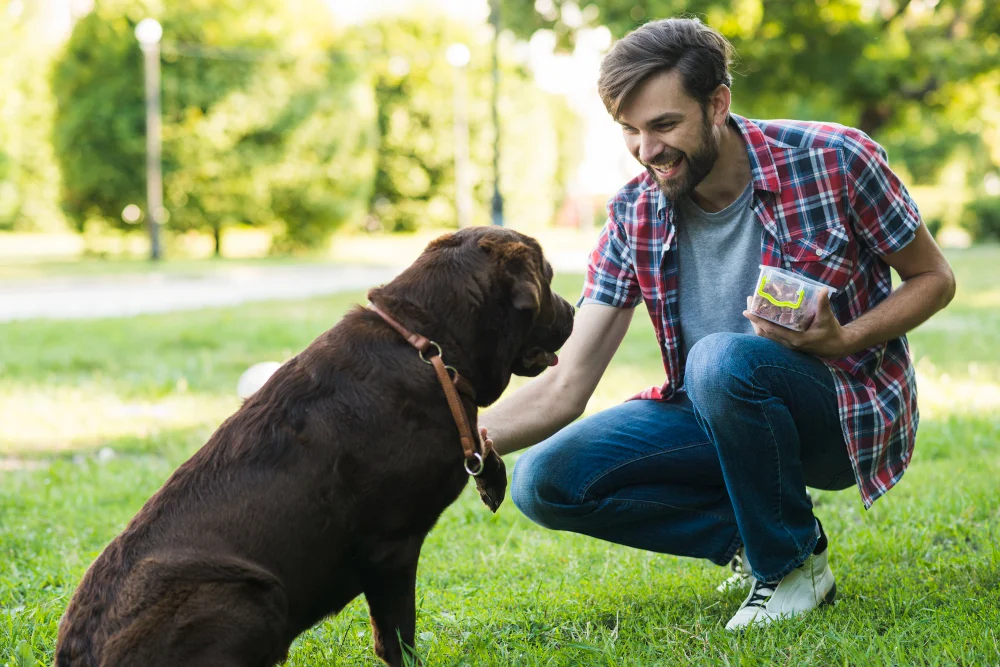
Freepik
Rabies is not only fatal but also highly contagious. Vaccination is essential to prevent outbreaks and maintain community health. It is often required by law and necessary for boarding, travel, grooming, and pet daycare services. Without a valid vaccination certificate, many services may refuse your dog.
A vaccinated dog also helps reduce medical costs and prevents the risk of transmitting the virus to humans and other animals.
Rabies Vaccination Schedule for Dogs
Vaccinating your dog against rabies is essential to protect them from this fatal virus. Following a proper schedule ensures long-lasting immunity and compliance with local regulations. Dogs receive their first rabies shot as puppies, followed by boosters at recommended intervals throughout their lives.
First Rabies Shot (12–16 Weeks)
Puppies should receive their initial rabies vaccination at 12–16 weeks of age. This timing ensures their immune system is mature enough to develop strong protection. Early vaccination significantly reduces the risk of exposure to wild animals or other pets.
First Booster (1 Year After Initial Shot)
After the first dose, a booster shot is given one year later. This reinforces immunity and ensures the dog remains protected as their immune system continues to strengthen. Most vets require this booster to meet legal vaccination standards.
Subsequent Boosters (Every 1–3 Years)
Following the first booster, dogs typically receive rabies shots every one to three years, depending on local laws and vaccine type. Regular boosters are crucial because immunity decreases over time, and maintaining protection is essential for both the dog and the community.
Special Cases and Veterinary Recommendations
Older dogs, dogs with health conditions, or those with prior reactions to vaccines may require a customized vaccination schedule. Veterinarians will assess each dog individually to ensure the safest and most effective protection plan.
Possible Side Effects After a Rabies Shot for Dogs

Freepik
Most dogs experience minimal side effects after vaccination. Usually, these are mild and resolve within 24–48 hours. Knowing what to expect can help you care for your dog after the shot.
Common Side Effects: Rabies Shot for Dogs
• Mild fever or fatigue
• Swelling or tenderness at the injection site
• Temporary loss of appetite
• Slight stiffness or discomfort
• Rare allergic reactions requiring veterinary attention
How to Prepare Your Dog for Vaccination
Proper preparation can make the vaccination process easier and less stressful for your dog. Before the appointment, make sure your pet is healthy and well-rested. A light meal beforehand can keep your dog comfortable and prevent any weakness during the visit.
Bringing along favorite toys or treats can help distract and calm your dog while at the vet. Your calm and reassuring behavior is also important, as dogs can pick up on their owner’s anxiety. Maintaining a relaxed environment helps ensure the vaccination experience is smooth and positive.
Aftercare Tips for Rabies Vaccination
Monitoring your dog after vaccination is essential. Most dogs recover quickly, but rest is recommended to support the immune system. Avoid long walks and strenuous activity for at least 24 hours post-vaccination.
Aftercare Tips: Rabies Shot for Dogs
• Monitor for unusual reactions
• Keep your dog hydrated
• Provide a comfortable resting area
• Offer small, frequent meals
• Contact your vet if symptoms persist
Debunking Common Myths About Rabies Shots for Dogs

Freepik
Many myths surround the rabies vaccine. Some owners believe indoor dogs don’t need it, but rabies can be transmitted through wild animals entering homes. Others think a single shot provides lifetime immunity, which is incorrect. Booster doses are necessary for continued protection.
Myth 1: Indoor Dogs Are Safe Without Vaccination
Even dogs that stay indoors can be exposed to rabies through wildlife such as bats or stray animals entering the home. Vaccination is necessary regardless of whether your dog goes outside.
Myth 2: One Shot Lasts a Lifetime
A single rabies shot does not provide lifelong protection. Booster doses are required according to the recommended schedule to maintain effective immunity.
Myth 3: Natural Remedies Can Prevent Rabies
No natural remedies, supplements, or home treatments can protect a dog from rabies. Vaccination is the only scientifically proven method of prevention.
Myth 4: Vaccines Always Cause Serious Reactions
Severe reactions to rabies vaccines are extremely rare. Most dogs experience only mild, temporary side effects such as slight swelling or tiredness.
Myth 5: Healthy Dogs Do Not Need Boosters
Even healthy dogs require booster shots. Immunity decreases over time, and boosters ensure ongoing protection for both your pet and the community.
Community Benefits of Rabies Vaccination
Vaccinating dogs not only protects individual pets but also safeguards entire communities. When a majority of dogs are immunized, the risk of rabies spreading through bites or contact is drastically reduced.
This widespread protection, known as herd immunity, ensures that children, adults, and even wildlife are less likely to be exposed to the virus. Countries and regions with high vaccination coverage have seen a significant drop in rabies cases over the years.
Effective vaccination programs help prevent outbreaks, lower medical costs associated with exposure, and create a safer environment for both humans and animals, making community health a shared responsibility.
Storing and Maintaining Vaccination Records
Proper documentation ensures that your dog is always compliant with legal and medical requirements. Keeping vaccination records up-to-date, storing them digitally, and making them easily accessible is crucial for travel, pet boarding, or emergencies.
For a complete guide on maintaining your pet’s health and wellness, check out our ultimate pet wellness tips.
Easy Ways to Organize Records
• Keep digital copies on your phone or cloud
• Use a labeled vaccination folder
• Save vet receipts and certificates
• Set reminders for boosters
• Request printed copies from your veterinarian.
Conclusion: Rabies Shot for Dogs
Ensuring your dog receives a rabies shot is one of the most important responsibilities of pet ownership. Vaccination protects your dog from a deadly virus, safeguards your family, and helps prevent the spread of rabies within your community.
Following the recommended vaccination schedule and keeping accurate records are essential steps for long-term protection. By debunking common myths and understanding the benefits of vaccination, dog owners can make informed decisions that prioritize safety and health.
Regular boosters, proper preparation, and aftercare not only keep your dog healthy but also contribute to creating a safer environment for everyone, highlighting the importance of responsible pet care.