
Luxury Restaurants 2026: Modern Fine Dining Evolution
Design and Experience Trends
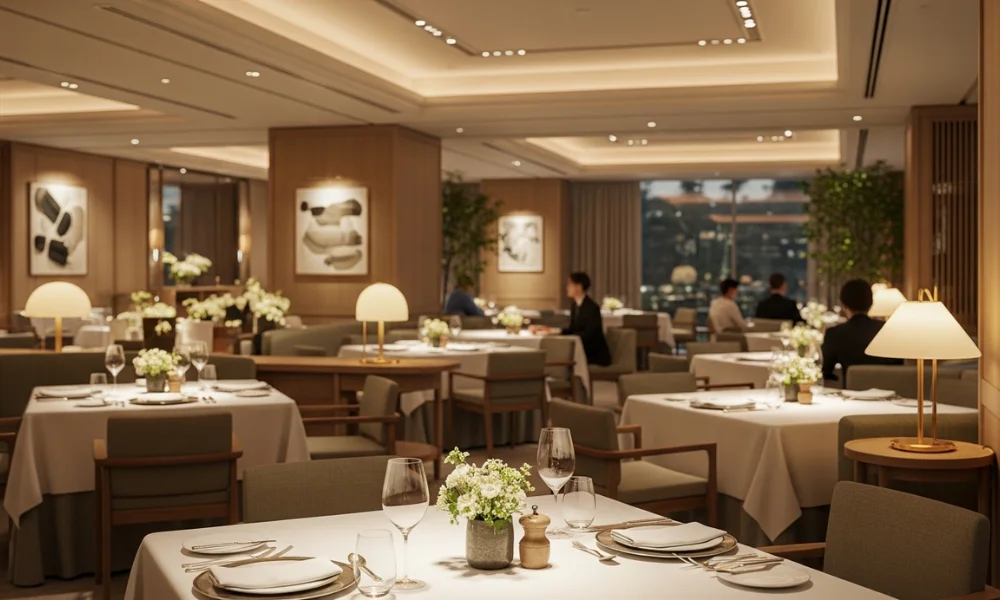
Image Source: freepik
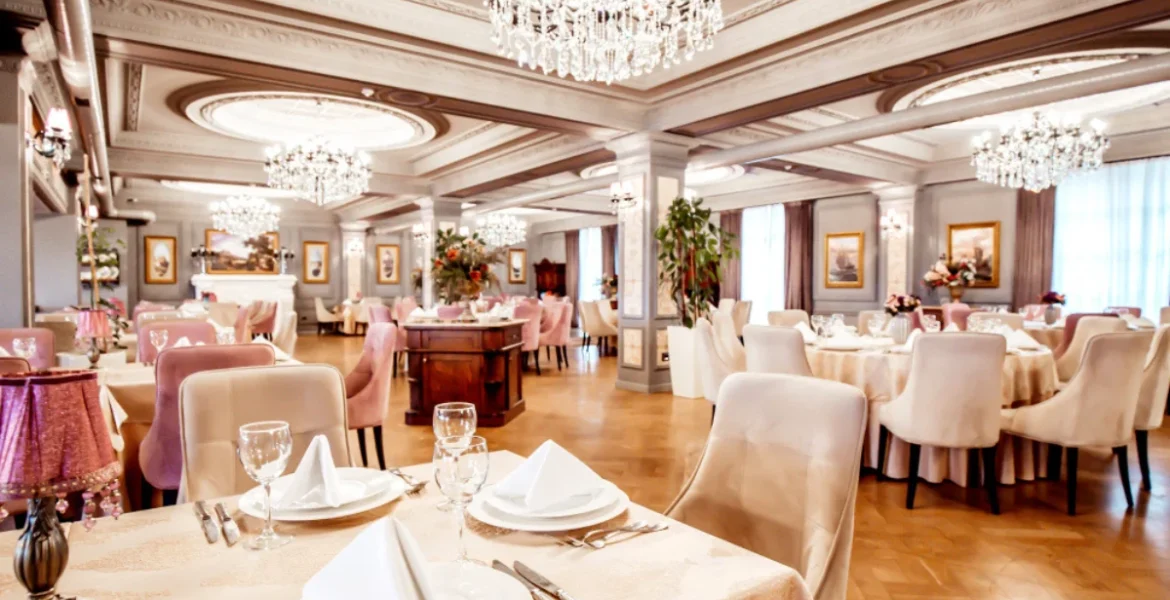
Many luxury restaurants now use soft and calm designs. They choose warm lights, natural colours, and open spaces. These designs help guests feel relaxed and special. Restaurants also include sound and scent for immersive dining. These elements make each meal feel more meaningful. Guests enjoy the peaceful and stylish atmosphere.
Deep Sustainability and Hyper-Local Sourcing
Environmental responsibility has shifted from a marketing buzzword into a non-negotiable standard for elite culinary recognition. The introduction of the Michelin Green Star highlights this permanent cultural shift.
Zero-Waste Kitchen Systems: Leading kitchens treat ingredient waste as a lack of culinary imagination. Vegetable trims are transformed into deep reductions, stale sourdough is repurposed into artisan panadas, and fish bones form the baseline for delicate, mineral-rich sauces.
Hyper-Local Transparency: High-end menus no longer just mention generic organic sourcing. They proudly share the exact origin of their ingredients, detailing the specific farm, local forager, or coastal diver responsible for the harvest.
Plant-Forward Innovation: Elite vegetable-focused tasting menus receive the exact same rigorous technical attention and kitchen positioning once reserved exclusively for premium proteins, drastically lowering the overall carbon footprint of luxury meals.
The World’s Top Elite Restaurants to Watch
The global culinary hierarchy continues to push boundaries, blending historical heritage with radical technical innovation.
| Restaurant Name | Primary Location | Culinary Philosophy & Specialty |
| Maido | Lima, Peru | Elite Nikkei Fusion & Amazonian Biodiversity |
| Asador Etxebarri | Atxondo, Spain | Masterful Live-Fire & Ancestral Hearth Cooking |
| Quintonil | Mexico City, Mexico | Modernist Mexican with Hyper-Local Ecosystems |
| DiverXO | Madrid, Spain | Avant-Garde, Boundary-Pushing Culinary Art |
| Alchemist | Copenhagen, Denmark | Immersive, Multi-Sensory Algorithmic Dining |
| Gaggan | Bangkok, Thailand | Progressive Indian via Modernist Technique |
| Sézanne | Tokyo, Japan | Refined French Classics with Japanese Execution |
| Ikoyi | London, UK | Spice-Driven Spice Matrix & Micro-Seasonality |
| Potong | Bangkok, Thailand | Heritage-Driven Progressive Thai-Chinese |
| Odette | Singapore | Modern French Elegance with Asian Inputs |
Architectural Aesthetics: The Rise of Quiet Luxury
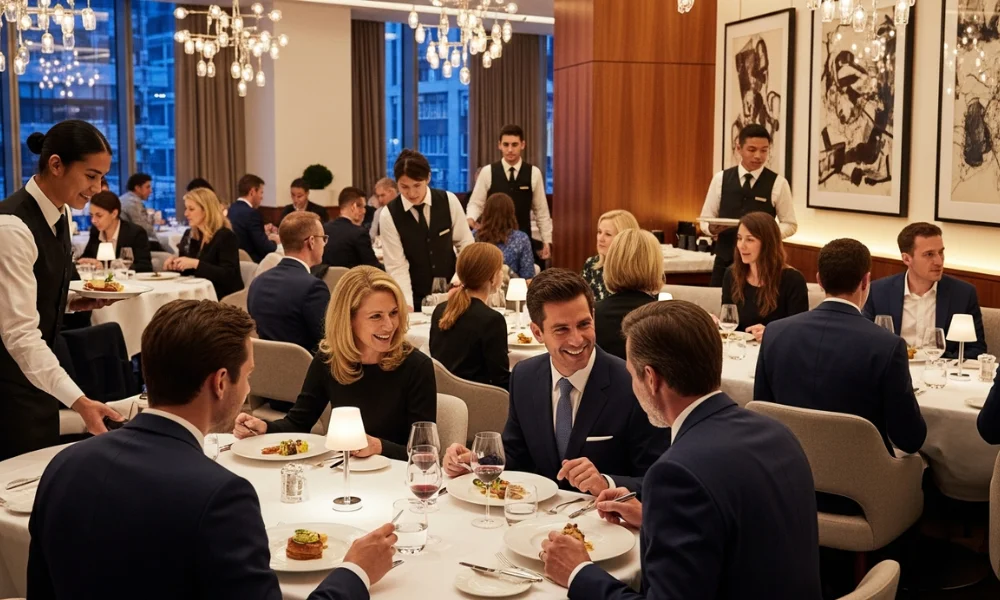
The visual environment of luxury dining rooms has evolved alongside the food, trading grand opulence for comfortable, intentional minimalism.
       [ THE VISUAL RESTRUCTURING OF LUXURY ]
                             |
    +------------------------+------------------------+
    |                        |                        |
[ Minimalist Interiors ]   [ Multi-Sensory Design ]  [ Exclusive Sanctuaries ]
Muted earth tones and      Acoustic soundscapes and  Private dining suites
raw, natural textures.     scented atmospheres.      with dedicated staff.
Minimalist Interiors
Modern luxury dining favors clean, understated spaces. Gilded dining rooms have been replaced by neutral earth tones, natural wood finishes, and raw stone textures. This minimal aesthetic creates a calm, focused environment that naturally highlights the food on the plate.
Multi-Sensory Atmospheres
Top-tier restaurants treat light, sound, and scent as critical components of the meal. Custom acoustic installations dampen harsh noises while allowing for intimate conversation, and tailored lighting shifts subtly throughout the evening to match the progression of the tasting menu.
Private VIP Sanctuaries
The demand for high-end privacy has made exclusive dining rooms and hidden chef’s tables more popular than ever. These spaces offer corporate groups and families completely private environments, direct kitchen views, and dedicated service teams.
Market Growth and Global Demand
The luxury dining market grows because more people travel. Fine dining becomes a key part of travel experiences. Many cities now support high-end restaurants. This leads to new luxury dining investments. Investors see strong potential in the fine dining industry. This growth creates more creative restaurant ideas.
Changing Customer Preferences
People now look for meaningful dining experiences. They want food that reflects culture and sustainability. They also value personalised service and comfort. This shifts how luxury restaurants design menus. Guests enjoy menus with stories and emotions. The new preferences help shape modern dining trends.
Technology and Modern Hospitality
Technology changes how restaurants welcome guests today. Digital tools improve safety and speed. Personal recommendations make dining more special. This blend of tech and service raises standards. Luxury restaurants use tech to save time and effort. It helps deliver smoother and smarter hospitality.
Booking and Reservation Tips
Booking early is the best way to get a table. Many luxury restaurants are full months ahead. Online systems make booking simple and fast. Early planning gives the best experience. Some restaurants release limited daily seats. Quick booking helps secure a perfect time.
Picking the Right Menu for Your Visit
Tasting menus are popular in luxury dining. They let guests enjoy chef specialties in small courses. Many menus now include plant-based luxury options. This helps guests choose based on taste and health. Some menus also change daily for freshness. Guests enjoy the surprises on every visit.
What to Expect in Luxury Dining
Luxury dining includes warm service and detailed presentation. Dishes focus on quality and story. Guests should enjoy each course slowly and calmly. This brings out the full dining experience. Staff guide guests through the menu. It helps make each visit special and smooth.
Luxury Dining and Global Culinary Culture
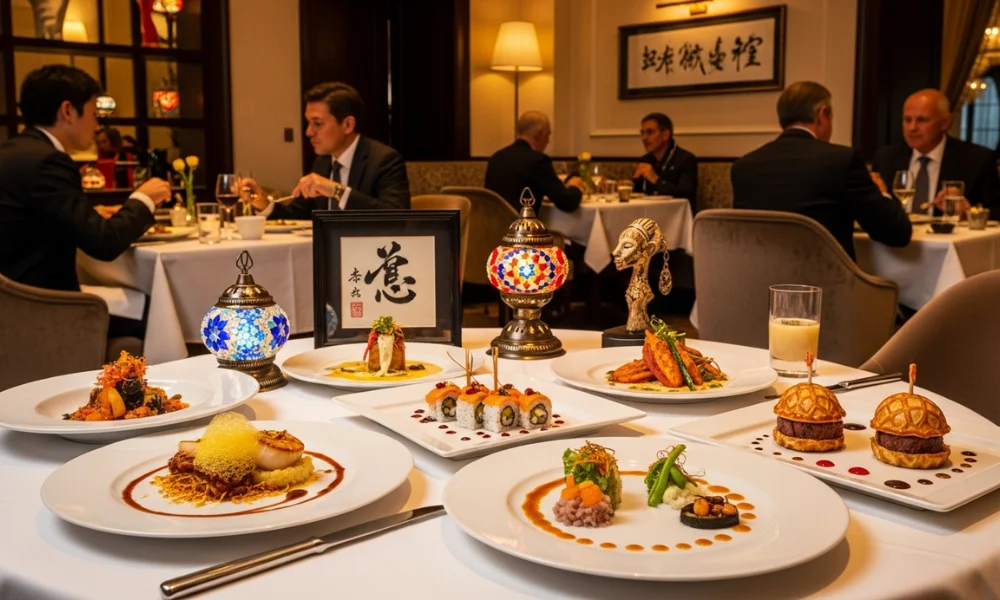
Image Source: freepik
Luxury dining reflects global food culture today. Chefs mix local flavours with modern ideas. Many restaurants highlight cultural history in dishes. This fusion creates deeper meaning and better taste. Guests enjoy learning through food. It makes luxury dining richer and more personal.
Cultural Influence in Luxury Menus
Chefs use childhood memories and cultural traditions in meals. They bring comfort foods into high-end settings today. These ideas help connect guests with the chef’s story. It creates a personal connection with diners. Cultural recipes gain new life in fine dining. Guests enjoy discovering stories behind dishes.
Sustainability as a Worldwide Priority
Green practices become important worldwide. Many luxury restaurants cut waste and protect nature. They use organic farms and ethical sources. These choices help the global food system. Diners also support eco-friendly choices. This shared effort helps shape food trends.
Quiet Luxury in Interiors
Quiet luxury uses minimal and warm designs. Restaurants use neutral tones for a clean look. They add soft textures for comfort and beauty. This makes the space peaceful and elegant. Designers choose materials that feel natural. This style improves the dining atmosphere.
Multi-Sensory Dining Experiences
Restaurants now use sound, scent, and light creatively. These elements improve taste and mood. Guests feel fully involved in the dining journey. This turns dinner into a full sensory experience. Multi-sensory dining makes meals unforgettable. This trend grows each year.
Private and VIP Dining Options
Private rooms are popular with luxury diners. These spaces offer privacy and personal service. They are perfect for families and business meetings. The experience feels special and exclusive. Guests enjoy the calm and private setting. It enhances the comfort of fine dining.
Rising Role of Artificial Intelligence
AI will help chefs create better menus. It will study guest choices and provide insights. This helps restaurants improve food and service. AI makes luxury dining more personal. It also helps reduce waste in kitchens. This brings both quality and efficiency.
Emotional and Story-Led Dining
Future dining will focus more on storytelling. Chefs will share memories through food. This gives meals deeper meaning and emotion. Guests will enjoy food with a stronger connection. Story-led dining adds heart to the experience. It makes each meal feel unique.
New Dining Concepts and Fusions
More hybrid dining ideas will appear soon. Chefs will blend global cuisines creatively. Design and art will mix with food experiences. These ideas bring freshness and surprise to luxury dining. Guests love trying modern fusion dishes. These concepts expand luxury food culture.
Pro-Tips for Navigating High-End Reservations
Securing a reservation at a world-class restaurant requires a strategic approach.
Map Out Booking Windows: Top-tier establishments release reservation blocks on strict schedules—often on the first of the month or exactly 90 days in advance via platforms like Tock, SevenRooms, or Resy. Set precise alerts to catch these openings.
Utilize Luxury Concierge Services: High-end credit card concierges (such as those offered by Amex Centurion or Chase Sapphire Reserve) hold dedicated partner tables at major culinary destinations specifically for cardholders.
Opt for the Full Tasting Experience: To truly understand a kitchen’s creative vision, always select the multi-course tasting menu paired with the sommelier’s curated beverage selections. This allows you to experience the exact progression of flavor and story the chef intended.
Conclusion: The Future of Culinary Sophistication
The fine dining landscape successfully balances past traditions with future innovations. By step-by-step moving away from rigid formality, top culinary destinations have unlocked a more meaningful, creative, and environmentally conscious approach to gastronomy. Today’s luxury dining relies on deep authenticity, careful ingredient sourcing, and personalized hospitality. At Orilea, we believe that true lifestyle luxury is found in these thoughtful, intentional details. By understanding and embracing these evolving culinary values, you can elevate your global dining experiences, turning every meal into a lasting, enriching memory.
Frequently Asked Questions (FAQs)
Q1: What defines a luxury dining experience today compared to previous years?
Modern luxury dining prioritizes authentic storytelling, absolute ingredient transparency, and sustainable sourcing over stiff formality and opulent decor. The focus has entirely shifted from performative luxury to approachable elegance, genuine warmth, and high-level culinary creativity.
Q2: Why are chefs moving toward live-fire and elemental cooking?
Chefs are embracing open flames, wood embers, and charcoal to bring out the pure, unadulterated flavors of raw ingredients. This approach emphasizes culinary skill through thoughtful simplicity rather than complex, synthetic kitchen techniques.
Q3: How does artificial intelligence impact high-end luxury restaurants?
AI is primarily utilized behind the scenes to streamline reservation management, track personalized guest preferences, and predict supply chain needs. This technical support helps kitchens run more efficiently and drastically cuts down on ingredient waste.
Q4: What is a Michelin Green Star, and why is it significant?
The Michelin Green Star is a distinct award honoring restaurants that demonstrate an outstanding commitment to sustainable gastronomy. It recognizes establishments that practice zero-waste kitchen management, work with ethical suppliers, and minimize their overall environmental impact.
Q5: Why are tasting menus preferred in elite fine dining establishments?
Tasting menus allow culinary teams to guide guests through a cohesive, structured flavor story. By presenting a series of small, highly curated dishes, chefs can showcase their best seasonal ingredients and technical skills in a balanced progression.
Q6: How should diners prepare for strict dress codes at modern top-tier restaurants?
While traditional expectations like mandatory jackets and ties have largely relaxed in favor of smart-casual attire, it is always best to check the restaurant’s specific digital portal before visiting to ensure your outfit aligns with their space.