
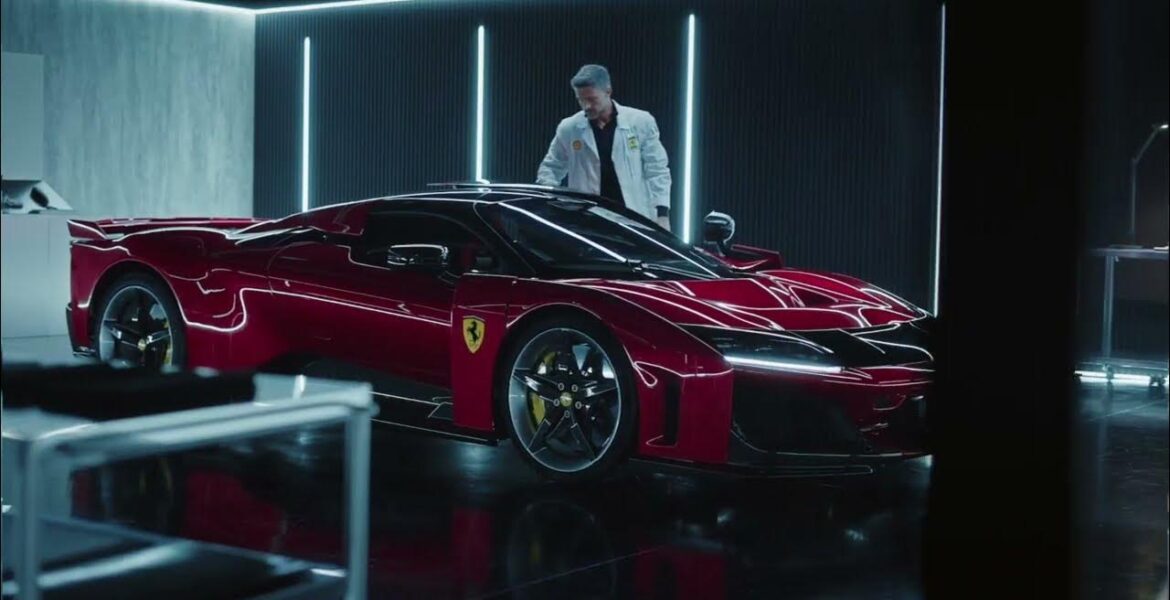
- by Ayesha Mansha
- June 22, 2026
- 0
- 0
Ferrari F80 vs F40: How Ferrari’s Halo Cars Have Evolved in 40 Years
The Ferrari F40 and Ferrari F80 represent two very different eras of Ferrari engineering. The F40 is raw, lightweight, and brutally mechanical. The F80 is advanced, hybrid-powered, and incredibly fast. This comparison shows how Ferrari halo cars evolved from emotional machines into technological masterpieces while keeping the spirit of performance alive.
Ferrari has always built special cars to define generations. The Ferrari F40 did this in 1987, and now the Ferrari F80 aims to do the same in the modern era. This Ferrari F80 vs F40 comparison shows how Ferrari’s engineering, design, and performance philosophy have transformed over four decades. It is not just about speed. It is about how Ferrari halo cars history tells the story of automotive evolution.

If you love Ferrari, this comparison matters deeply. The F40 represents pure analog madness. The F80 represents digital precision and hybrid power. Both are icons in different worlds.
Ferrari Halo Cars History: From F40 to F80
Ferrari halo cars have always been symbols of innovation. They push limits and introduce future technologies. Every generation tells a different story. The journey from F40 to F80 proves that clearly.
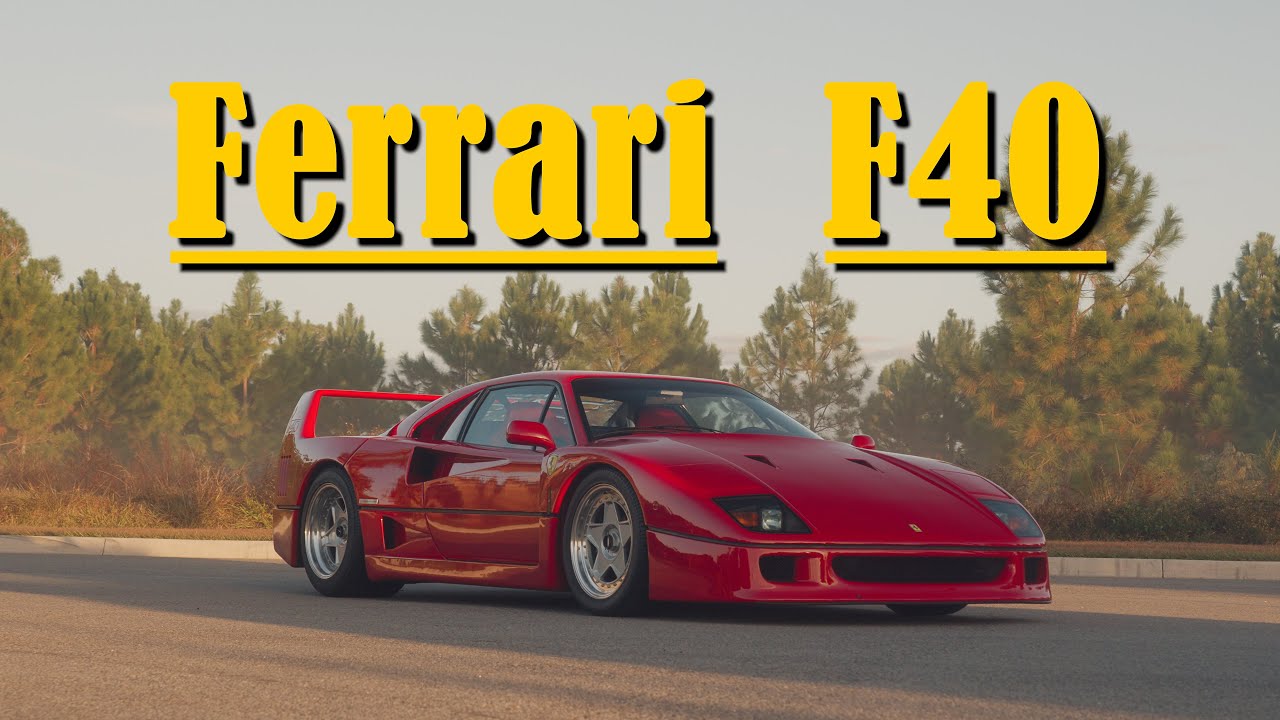
The F40 was launched for Ferrari’s 40th anniversary. It was the last Ferrari personally approved by Enzo Ferrari. That fact alone makes it legendary. It changed supercar culture forever.
Why the F40 changed Ferrari forever
The F40 arrived with a twin-turbo V8 engine. It made 471 horsepower, which felt insane in the 1980s. The car was brutally fast and unforgiving. It had no electronic aids at all.
Drivers loved its raw personality. There was no traction control. There was no comfort focus. It was pure mechanical chaos.
How the F80 continues Ferrari’s halo legacy
The Ferrari F80 enters a completely different era. It combines hybrid systems with Formula 1 technology. Ferrari built it as the future of performance. This car is designed for ultimate efficiency and speed.
Unlike the F40, the F80 uses intelligence. It reads the road constantly. It manages power perfectly. That shows how Ferrari halo cars evolved.
Ferrari F80 vs F40 Comparison at a Glance
A quick specs breakdown helps understand the difference. The gap between these two cars is massive. Technology changed everything over 40 years. But Ferrari’s mission stayed the same.
| Category | Ferrari F40 | Ferrari F80 |
|---|---|---|
| Launch Year | 1987 | 2025 |
| Engine | 2.9L Twin-Turbo V8 | 3.0L Twin-Turbo Hybrid V6 |
| Horsepower | 471 hp | 1184 hp |
| Torque | 577 Nm | 850+ Nm |
| 0-100 km/h | 4.1 sec | 2.15 sec |
| Top Speed | 324 km/h | 350 km/h |
| Weight | 1100 kg | 1525 kg |
| Drivetrain | RWD | AWD |
This table shows how huge the leap is. The F80 almost triples the F40’s power. It also adds hybrid support and all-wheel drive. Ferrari performance has evolved dramatically.
Ferrari F80 Specs vs Ferrari F40 Specs
When you compare Ferrari F80 specs with F40 specs, the philosophy shift becomes obvious. One is raw. One is engineered precision. Both are extreme in their own way.
Engine architecture
The F40 used a 2.9-liter twin-turbocharged V8. It was lightweight and explosive. Turbo lag was part of the experience. Drivers had to respect it.
The F80 uses a hybrid twin-turbo V6. This engine borrows heavily from Ferrari’s endurance racing program. Electric motors boost acceleration instantly. It removes lag completely.
This shows Ferrari hypercar evolution clearly.
Power delivery
Power delivery in the F40 was aggressive. It hit hard and suddenly. That made it thrilling. It also made it dangerous.
The F80 delivers power smarter. It spreads torque smoothly across all wheels. This improves traction massively. Speed feels controlled.
That is the biggest difference here.
Weight and chassis
The F40 was all about lightweight construction. It used carbon fiber, Kevlar, and minimal luxury. Ferrari wanted every kilogram reduced. That made it extremely agile.
The F80 is heavier due to batteries. But modern aerodynamics balance everything. Active suspension helps stability. It makes the extra weight feel invisible.
Performance Evolution: Classic vs New Ferrari Supercar
This classic vs new Ferrari supercar battle is fascinating. Both cars are insanely fast for their eras. But speed means different things today. Performance has become more scientific.
Acceleration differences
The F40 reached 100 km/h in 4.1 seconds. That was shocking in 1987. Today, it still feels quick. But the F80 changes the game.
The F80 does it in 2.15 seconds. That is hypercar territory. Hybrid torque makes launches brutal. It feels like a spaceship.
Cornering and aerodynamics
The F40 relied on simple aerodynamics. Its giant rear wing created stability. But downforce was basic compared to modern standards. Grip depended heavily on driver skill.
The F80 uses active aero systems. Wings adjust automatically. Airflow changes in real time. This increases speed and control. Ferrari design evolution is obvious here.
Track technology improvements
The F40 was built for road and track. But it lacked electronics. Drivers handled everything themselves. Mistakes could be costly.
The F80 uses advanced software. It monitors tire grip constantly. It adjusts power instantly. This makes lap times much faster.
Design Evolution Between the F40 and F80
Design is where emotions matter most. The F40 looks aggressive and simple. The F80 looks futuristic and technical. Both represent their era perfectly.
Raw aggression vs aerodynamic intelligence
The F40 was designed like a race car. Sharp lines and exposed details defined it. Nothing felt polished. That was part of its charm.
The F80 is smoother and more complex. Every line has aerodynamic purpose. Active aero controls airflow constantly. It looks engineered rather than wild.
That reflects Ferrari’s modern mindset.
How Ferrari referenced the F40 in the F80
Ferrari intentionally used F40 inspiration. The wide stance feels familiar. The aggressive rear design feels connected. Even the proportions tell a story.
This is Ferrari respecting its own legacy. It is not copying the past. It is evolving it.
Technology Shift in Ferrari Halo Cars
Technology changed Ferrari more than anything else. The F40 was mechanical art. The F80 is digital engineering. Both reflect their generation.
Analog driving in the F40
Driving the F40 feels alive. Every movement matters. Steering is heavy. Turbo boost arrives violently.
It demands attention every second. That is why enthusiasts still worship it. It feels honest. Nothing is hidden.
Hybrid systems in the F80
The F80 uses hybrid technology smartly. Electric motors improve power delivery. Energy recovery boosts efficiency. It combines speed with sustainability.
This is Ferrari’s future direction. Hybrid is no longer optional. It is performance-focused now. The F80’s hybrid technology is not the end of Ferrari’s electrification story either the Ferrari Elettrica 2026 pushes this evolution even further, revealing exactly where Maranello’s performance philosophy is headed next.
Formula 1 influence across generations
The F40 borrowed racing ideas. But the F80 takes it further. Battery systems and aerodynamics come directly from motorsport. Ferrari’s F1 experience shaped it heavily.
That makes the F80 a real technological flagship.
Which Ferrari Halo Car Matters More?
This question has no simple answer. Both changed Ferrari forever. One defined the past. One defines the future.
The F40’s emotional legacy
The F40 remains untouchable emotionally. It was wild, dangerous, and unforgettable. It became a symbol of freedom. Many still call it Ferrari’s greatest supercar.
Its value keeps growing. Collectors chase it globally. It is history on wheels.
The F80’s technological significance
The F80 matters for different reasons. It shows where Ferrari is going next. Hybrid systems, software, and active aerodynamics shape modern speed. This is Ferrari’s next chapter.
Future halo cars will build on this.
Key Takeaways
- The F40 represents raw analog Ferrari passion
- The F80 represents hybrid Ferrari innovation
- Ferrari halo cars history shows constant reinvention
- F40 wins on emotion and heritage
- F80 wins on speed, technology, and efficiency
Final Verdict on the Ferrari F80 vs F40 Comparison
The Ferrari F80 vs F40 comparison proves Ferrari never stands still. The F40 was built in a simpler, riskier time. The F80 exists in a world of precision, data, and hybrid performance. Both are masterpieces.
If you want emotion, the F40 wins. If you want the future, the F80 wins. That is what makes Ferrari special. It can honor history while building tomorrow.
At Orilea, we believe Ferrari’s halo car journey is one of the best examples of automotive evolution. From analog legends to hybrid monsters, Ferrari keeps redefining what a supercar can be.
FAQs
Is the Ferrari F80 faster than the F40?
Yes. The Ferrari F80 is much faster. It has more power, better aerodynamics, and hybrid acceleration.
Why is the Ferrari F40 so famous?
The F40 was the last Ferrari approved by Enzo Ferrari. It also defined the supercar era.
Does the Ferrari F80 replace the F40?
No. The F80 continues Ferrari’s halo legacy but does not replace the F40’s historical value.
Which Ferrari is better for collectors?
The F40 is stronger for collectors because of rarity, history, and emotional importance.
What makes Ferrari halo cars special?
Ferrari halo cars introduce major innovations. They define Ferrari’s best engineering for their era.

Ayesha Mansha
I'm the Co-Founder of Orilea.com, covering luxury fashion, wellness, and travel. I write for readers who live with intention and an eye for style.
@AyeshaMansha | ayesha@brandclickx.com