
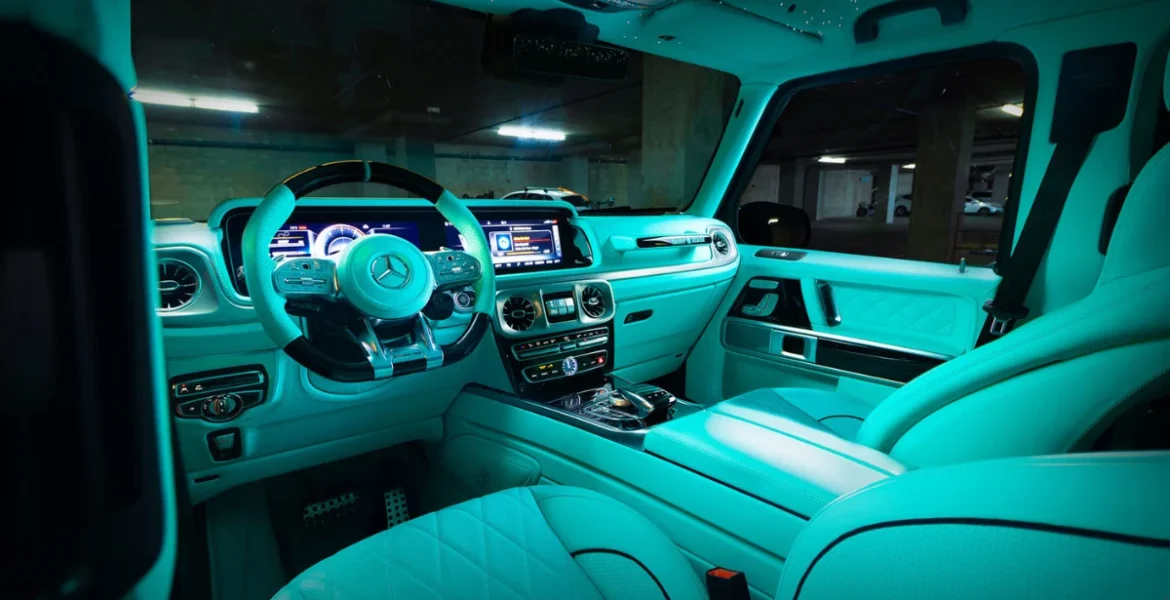
Bespoke Car Interiors: Materials, Brands, and the Cost in 2026
Luxury buyers no longer chase horsepower alone. They chase how a cabin feels, smells, and stitches together around them. Bespoke car interiors sit at the heart of this shift, and the numbers back it up. The global luxury car market is worth roughly $695 billion, and Grand View Research expects it to pass $1 trillion by 2030.
At Orilea, we cover how today’s wealthiest collectors commission cabins that rival their private jet seats. So whether you drive a Rolls-Royce or you simply admire one, this guide walks you through the materials, the factory programs, the commissioning process, real-world costs, and the 2026 trends shaping the world of personalized luxury vehicles.
What Are Bespoke Car Interiors?
Bespoke car interiors are hand-crafted cabin builds where the owner picks every leather hide, stitch color, wood grain, and trim finish. Nothing comes from a catalog. Every choice gets made for one car and one client.
The word bespoke comes from Savile Row, where tailors cut suits for a single body. Coachbuilders like Mulliner Park Ward and Pininfarina carried that idea into cars over a century ago. So when a Rolls-Royce buyer asks for a hand-painted family crest on a glovebox, that request runs on the same logic as a hand-stitched lapel.
Bespoke Car Interiors vs. Custom and Aftermarket
Most buyers mix these terms up. They mean very different things.
| Type | What It Means | Who Builds It |
|---|---|---|
| Bespoke | One-of-one, hand-made for the owner | Factory program or master coachbuilder |
| Custom | Personal upgrades after purchase | Specialist shops |
| Aftermarket | Pre-made parts you bolt in | Mass-market suppliers |
So a Bentley Mulliner Bacalar is bespoke. A retrimmed Mustang is custom. A clip-on dash kit is aftermarket. Three tiers, three price points, three very different worlds.
Top Materials Used in Bespoke Car Interiors
Bespoke car interiors stand out because of what goes into them. The materials carry the weight of the experience.
Most builds pull from six core families:
- Nappa and semi-aniline leather. Soft, deep-grain hides from Bentley, Rolls-Royce, and Aston Martin suppliers. Each hide gets inspected by hand for scars and texture.
- Alcantara and microfiber suede. Italian-made, light, and grippy. Lamborghini, McLaren, and high-spec Porsches use it on steering wheels, headliners, and seat inserts.
- Open-pore wood veneers. Burr walnut, piano black, smoked eucalyptus, and koa. The grain stays raw to the touch so the wood looks alive.
- Carbon fiber and forged composites. Multi-layer weaves with color shifts. Pagani layers tinted carbon to get one-off finishes that no two cars share.
- Hand embroidery and contrast stitching. Family crests, monograms, racing flags, and even painted silk panels. Hawthorne and Heaney in London once embroidered a full Rolls-Royce interior in hand-spun Chinese silk.
- Sustainable alternatives. Vegan leather, cactus leather, and recycled wool blends are growing fast.
Sustainable Materials Reshaping Bespoke Car Interiors
Eco-luxury is the freshest layer here. Bentley uses British wool blends. BMW runs Veganza, a plant-based leather. Polestar weaves ocean-recycled fishing nets into floor mats. Bio-based foams and water-based eco leather now show up in commissions because clients want guilt-free craftsmanship without losing the feel of a real cabin.
Factory Bespoke Programs Behind Today’s Personalized Luxury Vehicles
The world’s top automakers run dedicated divisions that build true personalized luxury vehicles. Each one carries its own house style and waiting list.
Here are the seven that matter most in 2026:
- Rolls-Royce Bespoke (Goodwood, UK): The benchmark. Famous for the Starlight Headliner with over 1,600 fiber-optic stars and hand-painted coachlines drawn freehand by a single artist.
- Bentley Mulliner (Crewe, UK): Diamond-quilted seats, three-dimensional wood marquetry, and ultra-rare commissions like the Bacalar and Batur.
- Ferrari Tailor Made (Maranello, Italy): Three style worlds called Scuderia, Inedita, and Classica. Owners often fly in to pick swatches in person.
- Aston Martin Q (Gaydon, UK): Themed builds, paint-to-sample matching, and small-batch coachbuilding through Q by Aston Martin.
- Lamborghini Ad Personam (Sant’Agata Bolognese): Over 400 paint colors and unlimited interior pairings. Buyers can match a cabin to a favorite handbag if they want.
- Porsche Exclusive Manufaktur (Zuffenhausen): Sub-brand for one-of-one builds, paint-to-sample, and motorsport-spec interiors.
- McLaren MSO, Special Operations (Woking, UK): Track-leaning bespoke that pairs lightweight materials with race-derived design cues.
So when a buyer says they ordered a factory bespoke car, they almost always mean one of these seven houses. Each one runs a separate atelier inside the main plant, with a waiting list that can stretch past 18 months.
How a Bespoke Car Interiors Commission Works
The process feels closer to ordering a private jet than buying a car. It runs on six clear steps:
- Discovery consultation. A designer asks about lifestyle, taste, art collection, and even the buyer’s home. Mood boards get built.
- 3D scanning of the vehicle. Modern coachbuilders scan every contour so trim pieces fit perfectly with no gaps.
- Material selection appointment. Buyers handle real leather hides, wood blocks, and thread spools in person. Most ateliers carry over 200 swatches.
- Design renders and 3D visualizations. Concept sketches and CGI walkthroughs get signed off before a single stitch goes in.
- Hand fabrication. Artisans cut, stitch, and finish each piece by hand. Rolls-Royce reports that one Phantom interior can take more than 450 hours of leatherwork alone.
- Final fitment and quality inspection. Multi-point checks on stitch counts, gap tolerance, and color match.
How Long Does Custom Luxury Car Upholstery Take?
Timelines vary a lot. Here is the honest range for custom luxury car upholstery work in 2026:
- Aftermarket retrim: 2 to 4 weeks
- Mid-tier bespoke build: 8 to 12 weeks
- Factory program build: 6 to 18 months
So a Ferrari Tailor Made client who orders in January often takes delivery the following winter.
What Bespoke Car Interiors Cost in 2026
Bespoke car interiors sit on a wide price ladder. Costs run from around $5,000 to over $500,000 based on scope, materials, and the maker.
Here is the breakdown buyers should expect:
| Tier | Price Range | What You Get |
|---|---|---|
| Entry | $2,000 – $8,000 | Partial retrim, contrast stitching, embroidered headrests |
| Mid | $8,000 – $35,000 | Full leather, Alcantara accents, custom dashboard, ambient lighting |
| High aftermarket | $35,000 – $150,000 | Full coachbuilt cabin by Carlex, Vilner, or Lexani Motorcars |
| Factory program | $150,000 – $500,000+ | Mulliner, Tailor Made, Rolls-Royce Bespoke commissions |
The ceiling keeps climbing. Coachbuilt one-offs like the Rolls-Royce Boat Tail crossed $28 million in 2021. A well-executed bespoke cabin can also lift exotic and luxury resale value by 8 to 15 percent, so long as the design ages well. Wild colorways often hurt resale, while restrained bespoke palettes hold or grow in value.
2026 Trends Shaping Bespoke Car Interiors
Bespoke car interiors are evolving past leather and wood. The cabin is the new battleground for luxury brands.
Five trends matter most this year:
- Mobile-office cabins. Mercedes-Maybach, Range Rover SV, and Lexani conversions now build in videoconferencing screens, espresso modules, and privacy partitions.
- EV-specific bespoke. Silent cabins push brands into an acoustic arms race. Lucid Air’s Glass Cockpit and electrochromic glass roof show where this is going.
- Biometric personalization. Seats that recognize the driver, ambient lighting that shifts with mood, and fragrance dispensers keyed to time of day.
- Sustainable luxury. Plant-based leather, recycled aluminum trim, and ocean-recycled fabrics from BMW and Polestar.
- Voice-controlled artistry. Bentley’s latest Mulliner cabins respond to spoken commands for lighting, climate, and seat massage patterns.
How High-End Car Detailing Protects Bespoke Car Interiors
A six-figure cabin needs care. High-end car detailing for bespoke interiors goes far past a vacuum and a wipe-down. Specialists apply ceramic coatings on leather, breathable protection on Alcantara, and UV shielding on open-pore wood. Yearly conditioning keeps stitching tight and hides supple.
Conclusion
Bespoke car interiors are no longer a side option. They are the new centerpiece of luxury car ownership. The shift from horsepower to handcraft, from spec sheet to sensory experience, is reshaping how the wealthy define value behind the wheel.
At Orilea, we will keep covering the brands, materials, and rituals that define modern luxury, whether it is a Mulliner cabin, a private island retreat, or a Patek dial. Browse our Luxury Cars and Yachts category for more editorial on the cars, yachts, and craft houses worth knowing in 2026.
Frequently Asked Questions
What is the difference between bespoke and custom car interiors?
Bespoke means a one-of-one commission with hand-selected materials. Custom means semi-personal or aftermarket modifications done after the car was built.
How much do bespoke car interiors cost?
Prices start near $5,000 for partial retrims. Full factory programs like Rolls-Royce Bespoke or Bentley Mulliner can pass $500,000.
Which brands offer the best bespoke car interior programs?
Rolls-Royce Bespoke, Bentley Mulliner, Ferrari Tailor Made, Aston Martin Q, Lamborghini Ad Personam, Porsche Exclusive Manufaktur, and McLaren MSO lead the field.
Do bespoke car interiors increase resale value?
Well-executed bespoke work can lift resale value by 8 to 15 percent, so long as the design taste stays timeless.
Can any car get a bespoke interior?
Basically yes. Specialist coachbuilders can re-trim almost any vehicle, whether it is a classic, a daily luxury sedan, or a modern supercar.