

Hermès Scarcity Strategy: How Luxury Exclusivity Works
Imagine walking into a store with $15,000 in your pocket, ready to buy a handbag only to be told you can’t. Not because you lack money, but because you’re not worthy enough. That’s the Hermès scarcity strategy in action. Since 1984, Hermès has mastered the art of making billionaires wait years for a purse. The brand doesn’t chase customers.
Instead, it makes customers chase the brand. This is how Hermès scarcity strategy generates $16 billion in revenue while maintaining 30% profit margins double the industry average. Read on to discover exactly how this works.
What Is the Hermès Scarcity Strategy?
Hermès scarcity strategy is straightforward: keep production intentionally low so demand always exceeds supply. Rather than increasing output when people want more bags, Hermès caps production, creates waitlists, and makes ownership exclusive.
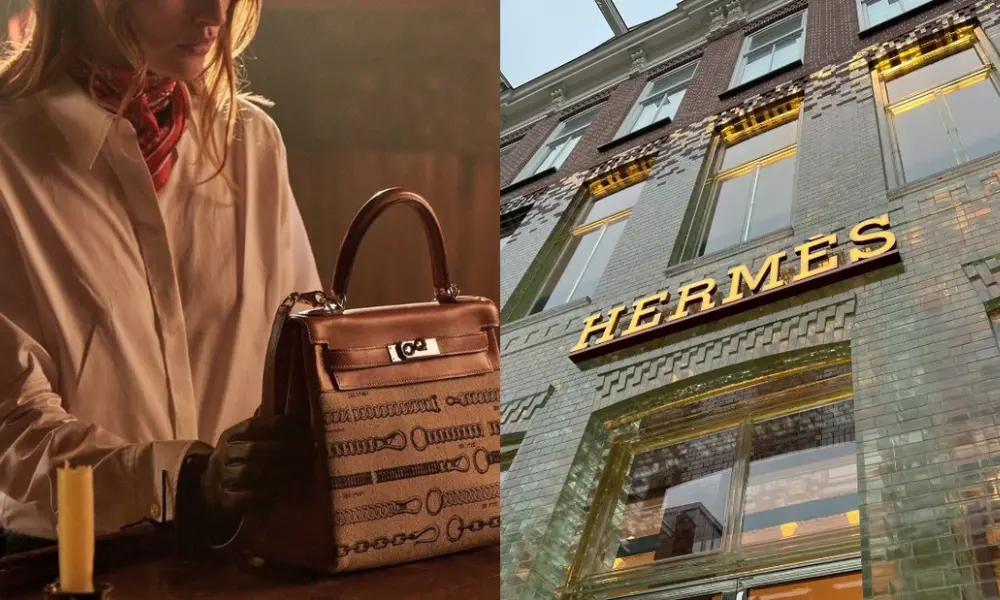
Consider the numbers:
- Hermès produces fewer than 70,000 Birkins annually
- Louis Vuitton and Chanel produce hundreds of thousands of bags yearly
- Yet Hermès generates higher profit margins (30% vs. 15–20% for competitors)
This counterintuitive approach traces back to 1837 when Hermès began as a Parisian saddlery maker. The brand built its reputation on quality over quantity and never abandoned this principle, even as it transitioned to luxury goods.
How Hermès Scarcity Strategy Differs From Competitors
The distinction between Hermès scarcity strategy and competitor approaches is striking. Here’s the breakdown:
| Factor | Hermès | Competitors (LVMH, Kering) |
|---|---|---|
| Production Model | Intentionally capped at 70,000 units/year | Maximize output to meet demand |
| Discounting | Never discounts; full price always | Seasonal sales and outlet stores |
| Distribution | Ultra-premium districts only (Paris, NYC, Tokyo) | Shopping malls and online channels |
| Sales Method | Relationship-based; sales associate gatekeeping | Transactional; anyone can buy |
| E-commerce | Limited; mostly in-store only | Full digital catalog available |
| Profit Margin | ~30% net profit | 15–20% net profit |
Most luxury brands chase growth. Hermès does the opposite. The brand refuses to discount, limits boutiques to elite locations, and makes customers earn access through loyalty purchases. This pricing discipline protects brand value and trains customers to buy immediately when offered access.
Additionally, Hermès maintains 80% of production in-house, primarily in France. No outsourcing to cheaper labor markets. No factory automation. This vertical integration keeps capacity naturally limited.
The Three Pillars of Hermès Scarcity Strategy
Here are the three pillars of hermes strategy:
1: Artisanal Production Creates Natural Scarcity
At the core of Hermès scarcity strategy lies handcraftsmanship. Here’s how it works:
- Time investment: Each Birkin requires 18–24 hours of handwork by a single artisan
- Training requirement: Every craftsperson completes a mandatory two-year apprenticeship
- Limited hiring: Hermès hires only 200 new artisans annually across the entire company
- In-house control: 80% of production occurs in France; no external outsourcing
- Traceability: Every bag carries an artisan ID code linking back to the maker
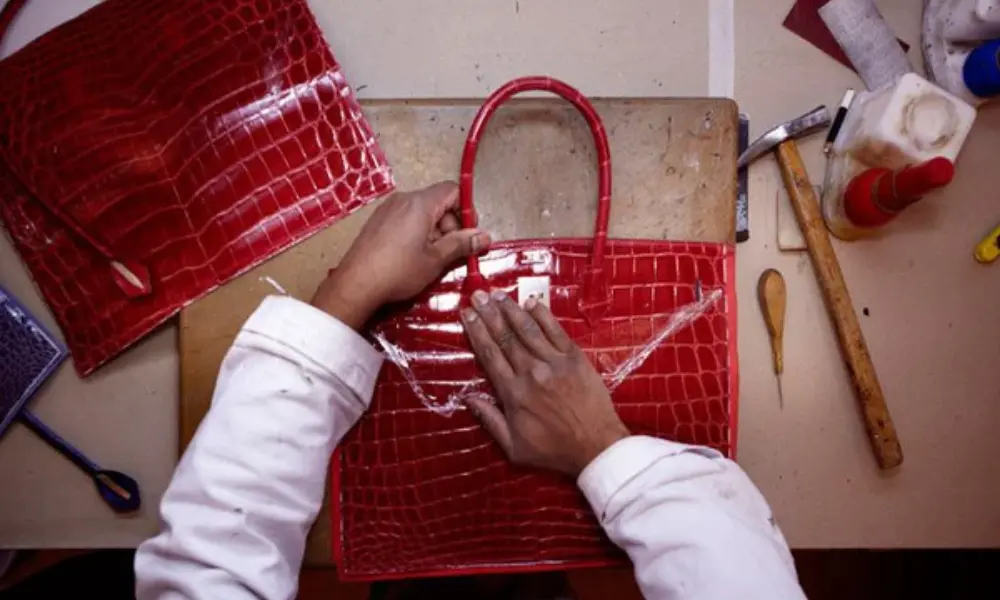
Because one person takes 20 hours to make a bag, and artisan teams have limited capacity, production naturally caps at roughly 70,000 bags annually. Scaling further would require years of training new craftspeople which would dilute quality standards. Scarcity becomes structural, not artificial manipulation.
2: Strategic Access Control Makes Ownership a Privilege
Hermès scarcity strategy extends beyond production into customer relationships. The buying journey unfolds like this:
- Entry: You visit a Hermès boutique and purchase a wallet or small leather goods ($500–$2,000). Sales associates note your preferences and add you to their database.
- Loyalty: Over 6–12 months, you return for scarves or additional pieces. Relationships deepen. Sales associates remember your aesthetic preferences and lifestyle interests.
- Eligibility: After spending $3,000–$10,000 across multiple purchases, you become eligible for flagship pieces.
- The Call: When a Birkin matching your preferences arrives, the boutique calls you—no published waitlist, no transparent timeline. You buy immediately without negotiation.
This gatekeeping serves multiple purposes. It filters customers by commitment, generates repeat visits while people wait, and makes the eventual acquisition feel earned rather than transactional. Notably, boutiques are intentionally small. A single location receives just one or two Birkins weekly. Walk-ins never happen for iconic pieces.
3: Strategic Silence Builds Myth Over Marketing
Most luxury brands shout. Hermès whispers, and the world leans in.
The brand approach includes:
- Zero celebrity endorsements or influencer partnerships
- Minimal advertising; no Super Bowl ads or paid social campaigns
- Complete secrecy around production numbers and inventory
- Refusal to chase trends; same iconic designs for decades (Birkin since 1984, Kelly since 1956)
- Timeless aesthetic that avoids seasonal fashion cycles
This silence creates a vacuum customers fill with imagination. The Birkin’s origin story Jean-Louis Dumas sketching a bag on a napkin for actress Jane Birkin became legendary not because Hermès marketed it, but because customers repeated it endlessly. Word-of-mouth becomes the most powerful marketing tool, more effective than any paid campaign.
Why Hermès Scarcity Strategy Creates Unstoppable Demand
Hermès scarcity strategy exploits fundamental human psychology. When something is rare, people perceive it as more valuable. Psychologists call this the scarcity effect.
Consider this: A Birkin costs $10,000–$15,000, but scarcity adds another $10,000+ in perceived value. Vintage Birkins sell for $50,000–$450,000 at auction far above retail. Why? Because luxury brand exclusivity tactics trigger investment psychology.
Also, owning a Birkin signals insider status. You don’t just have wealth; you have access and patience. This cultural capital matters more than the physical bag itself.
The waitlist itself becomes a feature. Customers check phones obsessively, hoping for the call. When offered a bag, they buy immediately uncertainty creates urgency that no discounted price ever could.
How Hermès Scarcity Strategy Maintains Pricing Power
Hermès never discounts. This pricing discipline is radical in an industry where seasonal sales are expected.
Because Hermès bags never go on sale:
- Customers know purchases won’t be undercut by markdowns next month
- Resale value appreciates instead of depreciating (investment appeal)
- Brand equity never dilutes through outlet stores or Black Friday sales
- Consistent pricing justifies consistent prestige
- There’s no incentive to wait; customers buy immediately when offered access
The secondary market reinforces this. A Birkin purchased for $12,000 in 2020 might resell for $18,000–$25,000 in 2025. This appreciation changes psychology. Customers view Hermès as assets, not accessories.
How Hermès Scarcity Strategy Works in Practice
Hermès scarcity strategy operates at every step:
- Materials sourcing: Hermès maintains long-term relationships with select tanneries that meet strict quality standards, limiting raw material supply
- Artisan bottleneck: The 200-per-year hiring rate creates natural production limits; scaling would take decades
- In-house manufacturing: 80% in-house production (mostly France) avoids outsourcing and maintains quality control
- Inventory management: Bags made to order or small batches; no stockpiling means no clearance sales or discounting
- Boutique limitations: Only 400–500 stores globally in ultra-premium locations (Paris, Tokyo, Dubai, New York)
The Buying Experience as Part of Hermès Scarcity Strategy
The customer journey reinforces scarcity at every touchpoint. Sales associates evaluate whether customers fit the Hermès profile before offering flagship pieces. This relationship-based selling maximizes emotional investment and lifetime value.
Modern Challenges to Hermès Scarcity Strategy
Does Hermès Scarcity Strategy Still Work?
Yes, Hermès reported €16 billion in revenue for 2025 with 30% profit margins. However, challenges are emerging:
- Customer fatigue: Some wealthy shoppers tire of gatekeeping and relationship requirements
- Digital counterfeits: High-quality Birkin lookalikes now appear on Walmart and Amazon, threatening exclusivity narrative
- Market slowdown: Global luxury sales declined in 2024–2025, testing the model
- Competitive alternatives: Loro Piana and Brunello Cucinelli offer accessible luxury without gatekeeping
Hermès is adapting subtly. The company expands Asia boutiques while maintaining scarcity, slightly increases production to reduce wait times, and remains more transparent about timelines. The formula still works but requires constant refinement.
How Other Brands Use Similar Luxury Brand Exclusivity Tactics
- Rolex’s Approach: Rolex employs similar luxury brand exclusivity tactics. Steel sports watches have 5–7 year waitlists. Authorized dealers limit access. Production is intentionally capped despite demand.
- Patek Philippe’s Strategy: Patek Philippe goes further. The brand produces fewer than 50,000 watches annually. Its marketing slogan You never actually own a Patek Philippe. You merely look after it for the next generation frames watches as heirlooms, justifying extreme scarcity and pricing power.
Why Hermès Scarcity Strategy Outperforms
Hermès succeeds better because it extends scarcity across an entire portfolio. Customers build relationships through scarves, wallets, and belts before accessing flagship Birkins. This creates a ladder of accessibility, increasing lifetime value. Rolex and Patek Philippe are hero-product focused—you either get it or you don’t.
Conclusion
Hermès scarcity strategy proves a counterintuitive truth: making less generates more profit than making more. In a world of endless choice and discount culture, scarcity becomes a luxury itself.
The strategy works because it’s rooted in reality. Artisanal production genuinely limits output. Quality standards genuinely restrict hiring. French manufacturing genuinely limits geography. These aren’t manufactured lies they’re business facts that create legitimate scarcity.
By building brand strategy around constraints rather than against them, Hermès transformed limitations into advantages. As digital abundance increases and counterfeits proliferate, physical scarcity becomes more valuable. Brands that master controlled scarcity will win the luxury market.
Frequently Asked Questions
What is Hermès scarcity strategy exactly?
Hermès scarcity strategy is deliberate production limitation to maintain demand exceeding supply. Hermès produces fewer than 70,000 Birkins annually, requires 18–24 hours of handcraftsmanship per bag, and limits access through relationship-based selling.
Why doesn’t Hermès just make more bags?
Scaling production would require hiring thousands of new artisans and building factories—a years-long process that dilutes quality. Additionally, scarcity maintains higher margins and brand prestige. Making less generates more profit per unit.
How long do you wait for a Hermès Birkin?
Wait times typically range from 6 months to 2+ years, depending on boutique location, purchase history, and color preference. There’s no published timeline; the process is intentionally opaque.
Do Hermès bags hold their value?
Yes. Hermès bags appreciate over time because the brand never discounts. A Birkin purchased for $12,000 in 2020 might resell for $18,000–$25,000 in 2025.
Will Hermès scarcity strategy continue working?
Yes, with refinement. The model remains effective with €16 billion revenue and 30% margins. However, Hermès is adapting through slight production increases, better transparency, and Asia expansion while maintaining scarcity discipline.