

Best Winter Fruits: Healthy Choices for the Cold Season
Winter is the season when our bodies need extra nutrients to stay healthy and active. Choosing the best winter fruits can provide essential vitamins, minerals, and antioxidants that boost immunity, improve digestion, and keep you energized during the chilly months.
Incorporating seasonal fruits into your diet not only helps maintain overall wellness but also adds natural sweetness and flavor to your meals.
Eating fresh, seasonal fruits ensures that you get the maximum nutritional benefits. Winter fruits are often rich in vitamin C, fiber, and other essential nutrients, which are important to fight colds and flu. By making these fruits a part of your daily diet, you can stay warm, healthy, and nourished throughout the season.
Citrus Fruits: Immunity Boosters of Winter
Citrus fruits like oranges, lemons, grapefruits, and tangerines are widely known as best winter fruits because of their high vitamin C content. Vitamin C is crucial for strengthening the immune system and preventing infections. These fruits are also low in calories and high in fiber, making them excellent for weight management during winter.
Citrus fruits help in:
- Reducing cold and flu symptoms
- Improving skin health
- Enhancing digestive functions
- Supporting heart health
- Providing antioxidants to fight free radicals
Including citrus fruits in breakfast, smoothies, or as a snack is an easy way to maintain immunity during cold weather.
Apples and Pears: Fiber-Rich Winter Favourites
Freepik
Apples and pears are classic winter fruits that are not only delicious but also highly nutritious. They are packed with fibre, which aids digestion, helps in controlling cholesterol, and keeps you full longer. These fruits are naturally sweet and can be enjoyed raw, baked, or added to salads.
Promote Healthy Digestion
Apples and pears are naturally rich in dietary fibre, especially soluble fibre like pectin, which plays an essential role in maintaining smooth digestion. This type of fibre helps regulate bowel movements, softens stools, and prevents issues such as constipation, something many people experience more often during winter.
Support Weight Management
Both apples and pears are low in calories but high in filling fiber, making them excellent choices for healthy weight control. Eating these fruits keeps you full for longer periods, reducing unnecessary snacking and helping maintain a balanced daily calorie intake.
Because they digest slowly, they help stabilize blood sugar levels, preventing sudden hunger spikes.
Strengthen Heart Health
Apples and pears contain essential antioxidants and plant compounds such as flavonoids, which are known to support cardiovascular health. These fruits help lower LDL (bad) cholesterol levels, reduce inflammation, and improve blood vessel function.
Improve Gut Microbiome
The high fiber content in apples and pears acts as a natural prebiotic, feeding the good bacteria in your gut. A healthy gut microbiome strengthens your immune system, improves metabolism, and enhances nutrient absorption
Provide Antioxidants to Reduce Inflammation
Apples and pears are packed with antioxidants such as vitamin C, polyphenols, and flavonoids, which help combat oxidative stress in the body. These antioxidants protect cells from damage and reduce inflammation, which is especially beneficial in winter when the body is more prone to infections and fatigue.
Both apples and pears contain essential vitamins like A, C, and K, which enhance overall health during winter.
Pomegranates: Red Jewels of Winter
Pomegranates are among the best winter fruits, known for their bright red seeds and rich antioxidant content. They are excellent for boosting immunity and fighting infections. Pomegranates are also beneficial for heart health, digestion, and skin glow.
Why pomegranates are important in winter:
- Packed with vitamin C and potassium
- Improve blood circulation
- Reduce inflammation and oxidative stress
- Support weight management
- Enhance skin and hair health
You can eat pomegranate seeds as a snack or add them to salads, yogurt, and smoothies for a healthy winter treat.
Grapes: Natural Energy Boosters and Best Winter Fruits
Grapes are small but incredibly nutrient-rich fruits that deliver natural sugars, antioxidants, and essential vitamins, making them an ideal choice for winter. Their light sweetness and juicy texture provide quick nourishment, especially during colder months when the body needs more energy to stay active.
Grapes can be enjoyed fresh, frozen, or mixed into salads and smoothies, and their versatility makes them easy to include in a winter diet. Whether you choose green, red, or black grapes, each type offers valuable nutrients that support overall wellness.
Grapes also support eye health with essential vitamins, particularly vitamin A and C, while their immune-boosting properties help protect against winter illnesses. Additionally, their high water content promotes hydration, which benefits the skin by keeping it soft, glowing, and nourished even during dry winter weather.
Kiwis and Guavas: Tropical Best Winter Fruits
Though tropical, kiwis and guavas are widely available in winter and are packed with vitamin C, fiber, and antioxidants. These fruits are particularly useful for enhancing immunity and digestive health.
Health benefits:
- High vitamin C for immune support
- Improve digestion and gut health
- Help maintain healthy skin
- Rich in antioxidants for overall wellness
- Reduce the risk of winter-related illnesses
These fruits can be eaten raw, in smoothies, or in fruit salads for a refreshing winter option.
Bananas and Persimmons: Best Winter Fruits

Freepik
Persimmons and bananas are excellent winter fruits because they deliver natural energy, essential vitamins, and dietary fiber that support overall health during colder months. Bananas provide potassium, which keeps your heart and muscles functioning properly, while persimmons offer vitamins A and C for immunity and skin protection.
Their natural sweetness and versatility make them easy to enjoy in snacks, breakfast bowls, or baked treats throughout the winter season.
Boosting Energy and Stamina
Bananas and persimmons offer natural sugars and carbohydrates that provide quick, sustained energy. This makes them perfect for winter days when the body needs more fuel to stay warm and active.
Supporting Heart and Muscle Health
Bananas are rich in potassium, which helps regulate blood pressure, prevent muscle cramps, and maintain a healthy heartbeat. This mineral is essential for overall strength and endurance.
Promoting Digestion
Both fruits contain fiber that supports smooth digestion, prevents constipation, and keeps the digestive system active even when winter slows the body down.
Strengthening Immunity
Persimmons are loaded with vitamins A and C, which boost immunity and help the body fight seasonal infections like colds and flu. These nutrients also support healthy skin and vision.
Providing Essential Vitamins for Winter Wellness
These fruits deliver a mix of vitamins, antioxidants, and minerals that the body needs to stay healthy during winter, especially when fresh seasonal produce is limited.
Berries: Best Winter Fruits

Freepik
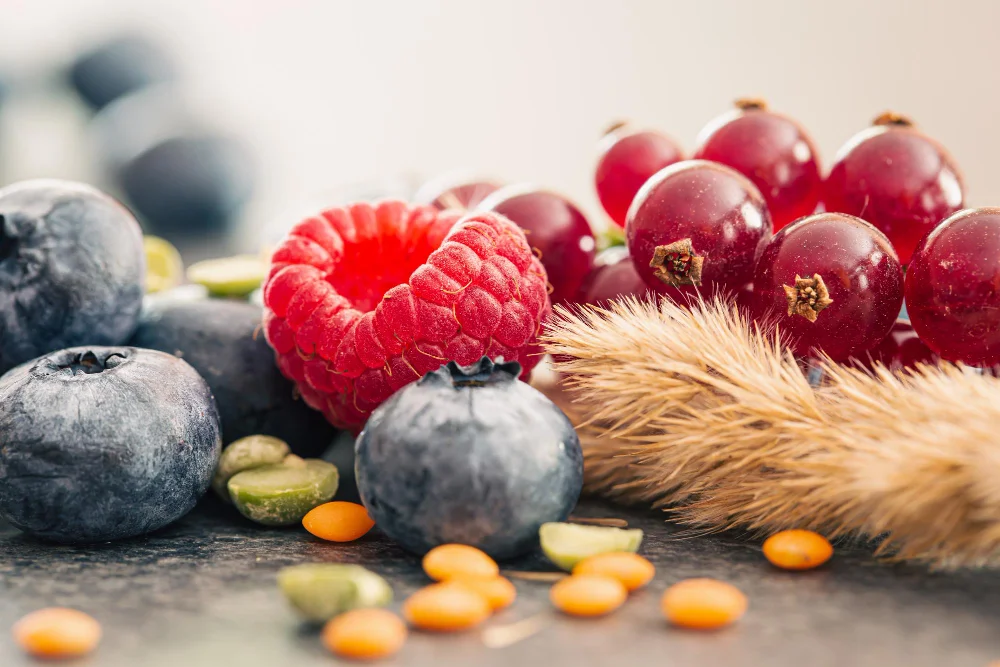
Berries like strawberries, blueberries, and cranberries are excellent choices among the best winter fruits. They are rich in antioxidants, vitamins, and fiber, making them superfoods for winter health.
Health benefits of berries:
- Fight free radicals and inflammation
- Enhance brain health
- Support heart health
- Strengthen immunity
- Promote healthy skin and digestion
Berries can be added to cereals, smoothies, yogurt, or eaten fresh to boost nutrition during winter.
Winter Melons and Papayas: Best Winter Fruits
Winter melons and papayas are excellent hydrating fruits that play an important role in maintaining moisture levels during the cold season. Even though winter often reduces our thirst, the body still needs proper hydration to keep the skin soft, support organ function, and maintain energy.
Papayas are packed with vitamin C, digestive enzymes, and fiber, making them ideal for boosting immunity and supporting gut health. Winter melons, on the other hand, are extremely low in calories yet rich in water content, which makes them perfect for hydration and digestive support without adding excess calories.
Moreover, these fruits provide several benefits that contribute to overall winter wellness. They help maintain skin hydration, soothe digestion, and strengthen the immune system through essential vitamins and antioxidants.
Conclusion: Best Winter Fruits
Incorporating seasonal fruits into your winter diet is one of the simplest and most effective ways to stay healthy, energized, and nourished during the colder months. Each fruit, whether it’s citrus, apples, pomegranates, grapes, bananas, or papaya, offers unique vitamins, antioxidants, and nutrients that support immunity, digestion, heart health, and skin wellness.
By choosing the best winter fruits available, you give your body the essential support it needs to fight infections, maintain hydration, and stay active throughout the season.
Moreover, the natural sweetness, versatility, and nutrient density of winter fruits make them easy to add to everyday meals without compromising taste or health goals. Enjoying a variety of these fruits ensures you receive a balanced mix of vitamins and minerals that promote overall wellness.