

Amazon Middle East Expansion: E-Commerce Growth
Amazon Middle East expansion is no longer a market entry story. Instead, it has become a long-term structural shift in how e-commerce operates across the region. What began with the Amazon Souq acquisition Middle East has gradually evolved into a localized, infrastructure-led model that prioritizes trust, reliability, and regional behavior over speed alone.
Rather than treating the Middle East as a single market, Amazon adapted its approach country by country. As a result, the Amazon.ae launch in UAE and the growth of the Amazon Saudi Arabia marketplace followed different paths while supporting the same long-term objective: sustainable scale. This distinction matters because it explains why Amazon’s regional presence feels stable rather than experimental.
From Souq to Scale: A Deliberate Expansion Timeline
Amazon’s regional journey began in 2017, when it acquired Souq, the Middle East’s most established e-commerce platform. This decision immediately reduced entry risk by preserving local logistics knowledge, consumer trust, and seller ecosystems. Instead of disrupting habits, Amazon quietly built on them.
In 2019, Souq transitioned into Amazon through the Amazon.ae launch in UAE. The shift was intentionally smooth, which meant existing users retained accounts, payment preferences, and delivery expectations.
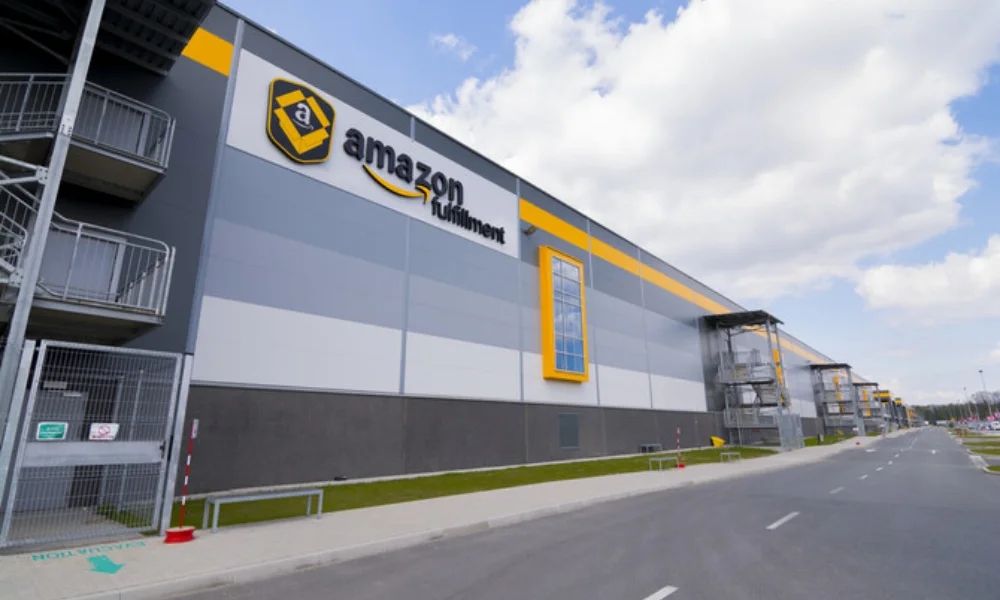
One year later, in 2020, the Amazon Saudi Arabia marketplace launched with a different operational focus. Because Saudi Arabia presents wider geography and varied address systems, execution emphasized adaptability over speed. Since then, continuous investment in Amazon fulfillment centers Middle East has reinforced Amazon’s move from entry to long-term regional commitment.
Why the Middle East Fits Amazon’s Long-Term Strategy
The Middle East offered Amazon a rare combination of opportunity and readiness. On one hand, digital adoption was rising quickly. On the other, e-commerce infrastructure still had room to mature. Therefore, Amazon focused on reducing friction rather than pushing aggressive growth.
The UAE provided a controlled environment with dense cities, advanced logistics, and cross-border trade efficiency, which supported the early success of the Amazon.ae launch in UAE. Meanwhile, Saudi Arabia offered scale. Although operationally complex, its population size justified deeper marketplace investment.
Together, these markets formed the foundation of Amazon UAE and Saudi Arabia expansion, supporting broader Amazon MENA e-commerce growth without forcing a one-size-fits-all model.
UAE vs Saudi Arabia: Amazon Middle East expansion
Although often grouped together, the UAE and Saudi Arabia function very differently online. In the UAE, accurate addressing, card-based payments, and short delivery distances created higher expectations around speed and convenience. Consequently, customer experience quickly became a competitive signal.
In contrast, the Amazon Saudi Arabia marketplace had to account for larger delivery zones and stronger reliance on cash-on-delivery. As a result, fulfillment planning and return handling became more critical than rapid delivery alone.
These differences explain why Amazon UAE and Saudi Arabia expansion followed separate operational paths, even though both supported the same regional strategy under Amazon Middle East expansion.
Infrastructure as the Growth Engine
Amazon’s regional strength is built on logistics, not visibility. The expansion of Amazon fulfillment centers Middle East enabled faster delivery promises, improved inventory placement, and more predictable service quality. Over time, this consistency became a trust signal rather than just a convenience feature.
Fulfillment and Reliability: Amazon Middle East expansion
Local fulfillment reduced delays and improved order accuracy. As a result, customers experienced fewer cancellations and smoother returns, which directly supported repeat purchasing behavior. Over time, this reliability turned delivery from a concern into a quiet expectation, making the shopping experience feel dependable rather than uncertain.
Seller Efficiency: Amazon Middle East expansion
For sellers, proximity to fulfilment centres lowered cross-border risk and simplified inventory management. Therefore, brands operating within Amazon UAE and Saudi Arabia expansion gained better forecasting control and operational stability, strengthening overall Amazon MENA e-commerce growth.
Payments, Trust, and Local Behaviour
Trust shaped every phase of Amazon Middle East expansion. Payment flexibility, including support for cash-on-delivery, reduced hesitation for first-time buyers. Instead of forcing global standards, Amazon adapted to regional comfort levels.
Equally important, trust extended beyond checkout. Transparent return policies, predictable delivery windows, and accessible support normalised online shopping behaviour. Consequently, both the Amazon.ae launch in UAE and the Amazon Saudi Arabia marketplace benefited from consistent adoption rather than short-term spikes.
A Practical Entry Playbook for Brands and Sellers
For businesses, success within Amazon Middle East expansion depends on structure. First, market selection matters. The UAE favors premium positioning and speed, while Saudi Arabia rewards coverage and patience.
Next, localization must be intentional. Listings perform better when aligned with regional language, sizing expectations, and buying priorities. At the same time, inventory planning should integrate with Amazon Fulfilment Centres Middle East to reduce delays. Staying updated on global stock market trends can also help businesses understand economic conditions and adjust their strategies for the Middle East market more effectively.
Finally, customer service readiness remains essential, as trust continues to drive conversion across Amazon’s UAE and Saudi Arabia expansion.
FAQs
When did Amazon expand into the Middle East?
Amazon entered the region in 2017 through the Amazon Souq acquisition Middle East, followed by the Amazon.ae launch in UAE in 2019 and the Amazon Saudi Arabia marketplace in 2020.
Is Amazon’s approach the same in the UAE and Saudi Arabia?
No. The UAE focuses on speed and density, while Saudi Arabia prioritizes geographic coverage and flexible delivery models.
Why are fulfillment centers important to Amazon’s regional growth?
Amazon fulfillment centers Middle East improve delivery reliability, inventory control, and trust, all of which support long-term Amazon MENA e-commerce growth.
Conclusion
Amazon Middle East expansion reflects a disciplined approach built on localization, infrastructure, and trust rather than rapid replication. From the Amazon Souq acquisition Middle East to the Amazon.ae launch in UAE and the scale of the Amazon Saudi Arabia marketplace, each phase demonstrates adaptation to regional realities.
As investment in Amazon fulfillment centers Middle East continues, execution will matter more than visibility. For businesses and consumers alike, understanding these dynamics is essential because Amazon Middle East expansion remains a defining force shaping Amazon MENA e-commerce growth across the region. Similarly, looking at how Tesla’s 2025 business strategy adapts to global challenges can provide valuable insights into how companies in the region should approach future growth and market positioning.