
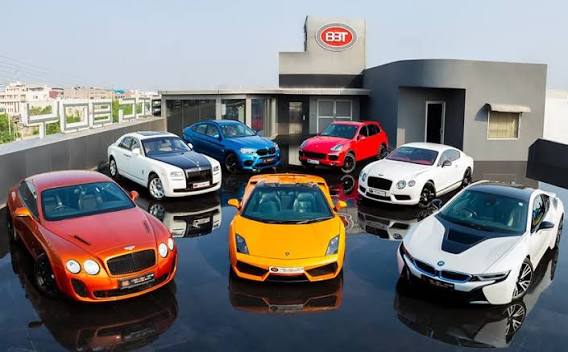
Best Pre-Owned Luxury Cars to Buy in 2026: Reliable & Affordable Options
Pre-owned luxury cars are previously owned premium vehicles that are sold again through dealerships, certified pre-owned (CPO) programs, independent dealers, or private sellers. They can provide significant savings compared with purchasing the same model new, particularly after the vehicle has experienced its initial steep depreciation.
The best pre-owned luxury car is not necessarily the cheapest one. A well-maintained vehicle with a documented service history, clean title, reasonable mileage, and strong reliability can offer substantially better long-term value than a heavily discounted car with an uncertain history.
Key Takeaways
- Pre-owned luxury cars provide premium features at a lower purchase price than new models.
- Depreciation is one of the biggest reasons luxury vehicles become attractive on the used market.
- Complete maintenance and vehicle history records are extremely important.
- Certified pre-owned programs provide additional buyer confidence and warranty protection.
- Buyers should budget for total ownership costs including insurance, maintenance, tires, and repairs.
- A professional pre-purchase inspection can uncover hidden mechanical and electrical issues.
- The best deal is determined by total ownership cost, not simply the advertised sale price.
Introduction
Pre-owned luxury cars offer something many new-car buyers cannot easily achieve: access to premium design, advanced technology, stronger performance, and upscale interiors without paying the full price of a brand-new vehicle.
For luxury car shoppers, buying pre-owned is particularly attractive because depreciation significantly reduces the purchase price after the first few years. However, a lower price does not automatically mean a better deal. Maintenance costs, vehicle history, mileage, warranty coverage, depreciation, and inspection results all matter.
Whether you are considering a BMW, Mercedes-Benz, Audi, Lexus, Porsche, Acura, Genesis, or Cadillac, knowing what to look for before you buy is essential.
Why Buy Pre-Owned Luxury Cars?
The primary advantage is getting more vehicle value for your money. A new luxury vehicle carries a premium because you are paying for the latest model year, factory warranty, and first ownership. Once the vehicle enters the secondary market, depreciation creates an opportunity for value-conscious shoppers.
1. Lower Purchase Price
Luxury vehicles often lose value faster during their early ownership years than buyers expect. Once that initial depreciation curve levels off, a second owner can purchase the vehicle at a substantially lower entry price.
2. More Features for Your Budget
Buying used allows your budget to stretch to higher trim levels and optional packages that might be out of reach on a new model.
Features often available on pre-owned luxury models include:
- Premium leather or upgraded upholstery
- Panoramic sunroofs & adaptive climate systems
- Advanced navigation and premium audio systems
- Adaptive cruise control & lane-keeping assistance
- Heated, ventilated, and massaging seats
- All-wheel drive and adaptive suspension setups
Certified Pre-Owned (CPO) vs. Standard Used Luxury Cars
Understanding the difference between a standard used car and a certified pre-owned (CPO) vehicle is critical when evaluating options.
- Certified Pre-Owned (CPO): Meets strict manufacturer requirements regarding age, mileage, inspection standards, and service history. CPO vehicles include factory-backed limited warranties and roadside assistance, making them ideal for risk-averse buyers.
- Standard Used Cars: Sold as-is or with limited dealer warranties. While often priced lower than CPO models, they require deeper scrutiny regarding past maintenance and condition.
What to Check Before Buying a Pre-Owned Luxury Car
1. Review the Vehicle History Report
Examine title status, past accidents, number of previous owners, service history records, reported damage, and open manufacturer recalls.
2. Check Documented Maintenance Records
A lower-mileage vehicle with poor maintenance habits can present higher risks than a higher-mileage example that has received timely scheduled servicing (oil changes, brake flushes, fluid replacements).
3. Get an Independent Pre-Purchase Inspection (PPI)
Hire a certified mechanic specializing in the specific luxury brand to inspect the engine, transmission, suspension, electronics, and underbody before finalizing the sale.
Estimating Total Ownership Cost
The purchase price is only one component of your budget. Calculate total cost of ownership using this formula:
Luxury vehicles often require specialized parts and higher service labor rates, making predictable maintenance planning essential.
Top Luxury Car Brands Worth Considering
- Lexus: Renowned for exceptional long-term reliability, low maintenance costs, and high resale value.
- BMW: Preferred by drivers who prioritize sporty handling, precise steering, and performance engine options.
- Mercedes-Benz: Known for cutting-edge technology, interior craftsmanship, and classic prestige.
- Audi: Features Quattro all-wheel drive, sleek design language, and advanced digital cockpits.
- Porsche: Combines sports-car engineering with everyday usability and strong residual value retention.
- Acura & Genesis: Offer high-value luxury configurations with modern tech and competitive ownership costs.
Common Mistakes to Avoid
Buying Based Only on Monthly Payments: Focus on total purchase price and loan terms rather than stretching loan durations artificially.
Choosing the Cheapest Option: Excessively low prices often hide deferred maintenance, accident history, or mechanical flaws.
Ignoring Future Maintenance Costs: Budget ahead for major service intervals (brakes, tires, timing components).
Skipping the Independent Inspection: Skipping a pre-purchase inspection can lead to costly unexpected repairs.
Negotiation Strategies: How to Get the Best Price
- Use Market Data: Research comparable vehicle listings in your region to establish a fair price baseline.
- Leverage Inspection Findings: Request price adjustments or dealer-completed repairs for items like worn tires or pending maintenance.
- Focus on Total Out-of-Door Price: Negotiate total costs including dealer fees, documentation charges, and taxes rather than just base vehicle price.
Dealership vs. Private Seller Comparison
| Consideration | Dealership / CPO | Private Seller |
| Price Point | Higher (includes overhead) | Lower / More flexible |
| Warranty Options | Available / CPO protection | Rare / As-Is |
| Financing & Trade-ins | Handled on-site | Must arrange independently |
| Vehicle Inspection | Pre-screened by dealer | Requires independent verification |
Conclusion
Buying pre-owned luxury cars is a practical strategy for enjoying high-end design, advanced safety features, and superior road performance without bearing the heavy cost of initial depreciation. However, smart buyers look beyond the surface level, evaluating service documentation, ownership history, and total maintenance costs before making a commitment.
For automotive buyers seeking expert advice, pre-owned buyer guides, and luxury vehicle insights, platforms like Orilea provide reliable resources to help navigate the luxury automotive market with confidence. By prioritizing vehicle condition over price tags, conducting thorough inspections, and selecting dependable models, you can enjoy a premium driving experience that aligns with both your lifestyle expectations and financial plans.
Frequently Asked Questions
1. Are pre-owned luxury cars worth buying?
Yes. A well-maintained pre-owned luxury car offers premium comfort, tech, and performance at a fraction of the original MSRP.
2. What is the best age for a pre-owned luxury car?
Vehicles between 3 to 5 years old generally offer an optimal balance, having absorbed the steepest initial depreciation while retaining modern safety and technology features.
3. Do pre-owned luxury cars cost more to maintain?
Generally, yes. Specialized parts, complex electronics, and premium fluids mean routine servicing can cost more than for mainstream brands.
4. Should I get a pre-purchase inspection?
Always. An independent pre-purchase inspection by a specialized mechanic is one of the most effective ways to avoid unforeseen repair bills.