
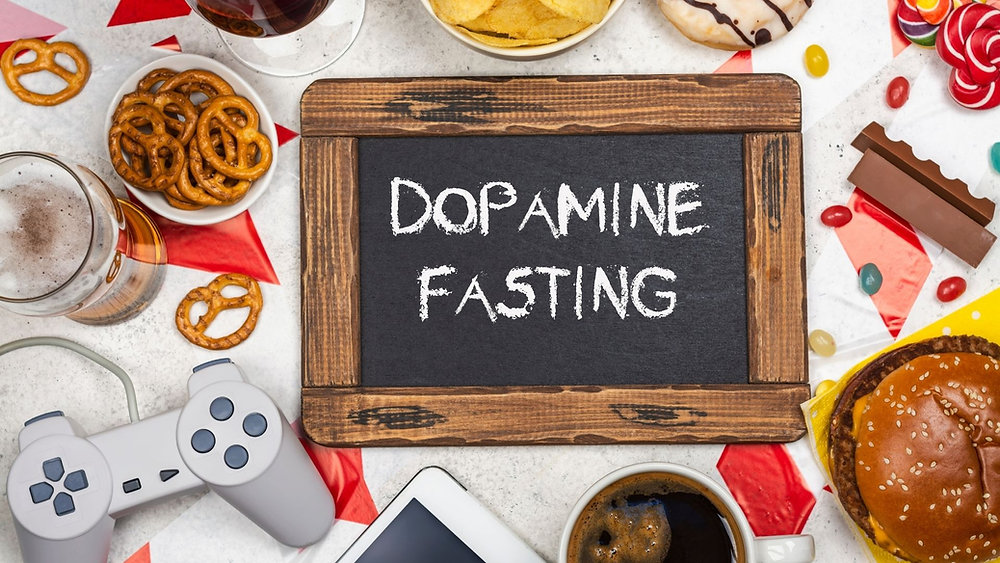
Dopamine Fasting: Does It Actually Work
Dopamine fasting is a behavioral strategy designed to reduce excessive stimulation from activities like social media, video games, junk food, and constant notifications. Contrary to popular belief, it does not lower dopamine levels in your brain. Instead, it helps you become more mindful of rewarding behaviors, making it easier to regain focus, improve self-control, and reduce unhealthy habits.
Research suggests that limiting overstimulating activities can improve attention, emotional regulation, and productivity when combined with healthy lifestyle practices. However, dopamine fasting is not a medical treatment, and extreme versions that eliminate all pleasurable experiences are unsupported by science.
Key Takeaways
- Dopamine fasting does not remove dopamine from your brain.
- The goal is to reduce excessive stimulation—not avoid all pleasure.
- It can improve focus, productivity, and self-discipline when practiced correctly.
- Healthy dopamine fasting includes limiting digital distractions, mindless entertainment, and impulsive behaviors.
- Extreme fasting methods are unnecessary and may negatively affect mental well-being.
- Beginners should start with small, realistic changes rather than strict restrictions.
Introduction
Have you ever reached for your phone without thinking, opened social media “just for a minute,” and suddenly realized an hour had disappeared? Or perhaps you find it difficult to concentrate because notifications, videos, and endless digital entertainment constantly compete for your attention.
If this sounds familiar, you’re not alone.
Modern technology is designed to capture attention. Every notification, short-form video, and “like” provides a small reward that encourages us to come back for more. Over time, these habits can make focused work, meaningful conversations, and even quiet moments feel less satisfying.
This growing challenge has led many people to explore dopamine fasting a practice that aims to reduce overstimulation and help people regain control over their habits.
But despite its popularity, dopamine fasting is also one of the most misunderstood wellness trends. Many people mistakenly believe it involves eliminating dopamine from the brain or avoiding every enjoyable activity. In reality, that’s not how the brain works.
This comprehensive guide explains what dopamine fasting really means, the science behind it, its potential benefits and limitations, and how beginners can practice it safely and effectively.
What Is Dopamine Fasting?
Dopamine fasting is a behavioral practice that involves temporarily reducing exposure to highly stimulating activities that encourage compulsive or impulsive behavior.
Rather than trying to “stop dopamine,” the goal is to create distance from habits that constantly demand your attention.
These activities often include:
- Endless social media scrolling
- Watching short videos for hours
- Excessive gaming
- Online shopping
- Constant smartphone checking
- Junk food overeating
- Compulsive internet browsing
- Gambling
- Other reward-seeking behaviors
By taking regular breaks from these activities, many people find it easier to regain focus, become more intentional with their time, and develop healthier habits.
Does Dopamine Fasting Actually Reduce Dopamine?
This is the biggest misconception surrounding dopamine fasting.
The answer is no.
Your brain naturally produces dopamine because it is an essential neurotransmitter involved in:
- Learning
- Motivation
- Movement
- Memory
- Decision-making
- Reward processing
- Emotional regulation
Without dopamine, basic brain function would be severely impaired.
Instead of lowering dopamine itself, dopamine fasting changes how you respond to rewarding behaviors. By reducing constant exposure to highly stimulating activities, your brain has more opportunities to appreciate everyday experiences without relying on continuous digital rewards.
Think of it this way:
If you eat candy every hour, fruit may seem less exciting. But after reducing sugary snacks for a while, fruit often tastes sweeter again.
A similar principle can apply to attention and reward. When you’re constantly chasing high stimulation, ordinary but meaningful activities—like reading, exercising, or having a conversation—may feel less engaging. Reducing overstimulation can help restore balance.
The Science Behind Dopamine Fasting
To understand dopamine fasting, it’s important to understand what dopamine actually does.
Dopamine is often called the “feel-good chemical,” but neuroscientists now know its role is much more complex.
Dopamine primarily helps your brain:
- Predict rewards
- Learn from experiences
- Stay motivated
- Form habits
- Repeat successful behaviors
Whenever your brain expects a rewarding experience, dopamine activity increases. This anticipation encourages you to repeat behaviors that your brain associates with positive outcomes.
Modern technology takes advantage of this system.
Every swipe, notification, message, or video creates uncertainty about what comes next. That unpredictability keeps the brain engaged, making digital platforms especially difficult to put down.
This doesn’t mean technology is harmful by itself. The challenge arises when these highly rewarding experiences begin replacing healthier behaviors like exercise, sleep, face-to-face conversations, focused work, or hobbies.
Dopamine fasting encourages people to interrupt these automatic patterns, allowing them to make more deliberate choices instead of reacting impulsively.
Where Did Dopamine Fasting Come From?
The concept gained widespread attention in Silicon Valley around 2019, where entrepreneurs and productivity enthusiasts promoted it as a way to improve focus and reduce digital distractions.
However, the original idea was often misunderstood.
The practice was inspired by principles from Cognitive Behavioral Therapy (CBT), a well-established psychological approach that helps people recognize and change unhelpful thought patterns and behaviors.
Rather than eliminating dopamine, the intention was to reduce compulsive behaviors that interfere with daily life.
Since then, experts have clarified that dopamine fasting should be viewed as a mindfulness and behavior-management strategy, not a neuroscience hack.
Why Is Dopamine Fasting So Popular?
The rise of smartphones, streaming platforms, online gaming, and social media has fundamentally changed how people spend their time.
Many people report struggling with:
- Constant distraction
- Shorter attention spans
- Reduced productivity
- Difficulty enjoying offline activities
- Excessive screen time
- Sleep disruption
- Mental fatigue
- Habitual phone checking
As these concerns have grown, dopamine fasting has become an appealing approach because it encourages intentional breaks from overstimulation rather than complete avoidance of technology.
For beginners, even small changes, such as turning off notifications, limiting social media use, or setting aside device-free time—can make daily life feel calmer and more focused.
The Potential Benefits of Dopamine Fasting
When practiced correctly, dopamine fasting isn’t about depriving yourself of happiness, it’s about creating healthier boundaries with highly stimulating activities. While scientific research on “dopamine fasting” specifically is limited, many of its underlying principles align with evidence-based behavior change strategies, mindfulness practices, and digital wellness.
Here are the most notable benefits.
1. Improved Focus and Concentration
One of the biggest reasons people try dopamine fasting is to reclaim their attention.
Constant interruptions from social media, emails, messaging apps, and notifications train the brain to switch tasks frequently. Over time, this habit can reduce deep concentration and make it harder to stay engaged with meaningful work.
By intentionally limiting distractions, many people notice:
- Longer periods of uninterrupted focus
- Better work performance
- Improved study sessions
- Increased creativity
- Reduced mental clutter
Even setting aside one or two hours of distraction-free work each day can make a noticeable difference.
2. Better Self-Control
Many everyday behaviors happen automatically.
For example, you may unlock your phone without a clear reason or open a social media app out of habit.
Dopamine fasting encourages you to pause before acting. Over time, this builds awareness of your triggers and helps you make intentional choices instead of impulsive ones.
This increased self-control can extend to:
- Snacking out of boredom
- Online shopping
- Streaming videos late at night
- Compulsive gaming
- Excessive internet browsing
3. Reduced Screen Time
The average person spends several hours each day looking at screens outside of work.
While technology is essential in modern life, excessive recreational screen time can interfere with productivity, sleep, and real-world relationships.
A structured dopamine fast may help you:
- Break the habit of constant scrolling
- Reduce dependence on notifications
- Spend more time offline
- Develop healthier digital routines
Replacing screen time with activities like reading, walking, cooking, or exercising can improve both physical and mental well-being.
4. Increased Appreciation for Everyday Activities
One surprising effect reported by many people is that ordinary experiences begin to feel more rewarding.
After taking breaks from highly stimulating entertainment, simple activities such as these may become more enjoyable:
- Reading a book
- Listening to music
- Spending time with family
- Walking outdoors
- Exercising
- Cooking
- Creative hobbies
The goal isn’t to eliminate pleasure but to reduce reliance on constant, high-intensity stimulation.
5. Greater Emotional Awareness
Many people use digital entertainment to avoid uncomfortable emotions like stress, boredom, loneliness, or anxiety.
Dopamine fasting creates opportunities to notice these emotions rather than immediately distracting yourself.
This awareness can help you:
- Identify emotional triggers
- Improve stress management
- Build healthier coping strategies
- Make more intentional decisions
Mindfulness and journaling can complement this process.
6. Better Productivity
Distractions come with a hidden cost.
Every interruption forces your brain to refocus, reducing efficiency throughout the day.
When you minimize unnecessary stimulation, you’re more likely to:
- Finish important tasks
- Avoid procrastination
- Manage your time effectively
- Experience a greater sense of accomplishment
Many professionals schedule dedicated periods without phones or social media to maximize productivity.
What Does Science Say About Dopamine Fasting?
The term “dopamine fasting” can be misleading because there is no scientific evidence that people can or should reduce dopamine production through fasting from enjoyable activities.
However, research does support several related concepts:
Habit Formation
Repeated behaviors strengthen neural pathways, making habits more automatic over time.
Reducing exposure to habit triggers can weaken unwanted routines and make new, healthier habits easier to establish.
Mindfulness
Mindfulness encourages people to observe thoughts and urges without immediately acting on them.
Studies suggest mindfulness can improve:
- Emotional regulation
- Attention
- Stress management
- Impulse control
These outcomes align closely with the goals of dopamine fasting.
Digital Wellness
Growing research suggests excessive smartphone use may contribute to:
- Poor sleep quality
- Reduced productivity
- Increased stress
- Difficulty concentrating
Creating intentional boundaries around technology has been associated with improvements in overall well-being.
Cognitive Behavioral Therapy (CBT)
The original inspiration behind dopamine fasting comes from CBT principles.
CBT teaches individuals to recognize unhealthy behavioral patterns and replace them with healthier alternatives.
Rather than avoiding pleasure, the focus is on reducing behaviors that interfere with personal goals and daily functioning.
Common Myths About Dopamine Fasting
The popularity of dopamine fasting has led to several misconceptions.
Myth 1: Dopamine Is Bad
False.
Dopamine is essential for healthy brain function. It supports movement, motivation, learning, memory, and decision-making.
The issue isn’t dopamine itself—it’s unhealthy behavioral patterns.
Myth 2: You Should Avoid Everything Enjoyable
False.
Some online influencers suggest avoiding:
- Music
- Talking
- Reading
- Exercise
- Delicious food
There is no scientific evidence that eliminating healthy, enjoyable activities provides additional benefits.
Balanced living is far more effective than extreme deprivation.
Myth 3: Dopamine Fasting “Resets” Your Brain Chemistry
False.
Your brain continues producing dopamine regardless of whether you’re using social media or sitting quietly.
What may change is your relationship with rewarding behaviors—not your dopamine levels.
Myth 4: It Works Overnight
False.
Breaking habits takes time.
Most lasting improvements come from small, consistent changes rather than dramatic lifestyle overhauls.
Potential Risks of Dopamine Fasting
Although generally safe when practiced moderately, dopamine fasting isn’t suitable in every situation.
Potential drawbacks include:
Unrealistic Expectations
Some people expect immediate transformation after one day.
Behavioral change is gradual and requires consistency.
Going to Extremes
Completely avoiding social interaction, exercise, or enjoyable hobbies isn’t supported by evidence and may reduce quality of life.
Healthy moderation is key.
Ignoring Underlying Problems
Excessive screen time may sometimes reflect deeper issues such as:
- Chronic stress
- Anxiety
- Depression
- Burnout
- Loneliness
In these cases, professional support may be more helpful than relying solely on dopamine fasting.
Feeling Overly Restricted
Highly restrictive routines often become difficult to maintain.
A sustainable approach is more likely to produce lasting improvements.
Who Should Try Dopamine Fasting?
Many beginners may benefit if they frequently experience:
- Constant phone checking
- Social media addiction
- Difficulty focusing
- Procrastination
- Excessive gaming
- Compulsive online shopping
- Digital burnout
- Reduced productivity
The goal is not perfection, it’s developing healthier habits that support your long-term well-being.
Who Should Be Cautious?
Dopamine fasting is not a substitute for medical or mental health treatment.
If compulsive behaviors are causing significant distress or interfering with daily life, consider speaking with a qualified healthcare professional or therapist.
People managing conditions such as ADHD, depression, anxiety, or substance use disorders should seek personalized guidance before making major behavioral changes, as a structured treatment plan may be more appropriate than self-directed fasting.
How to Start Dopamine Fasting (Step-by-Step)
If you’re new to dopamine fasting, the key is to start small and stay consistent. You don’t need to eliminate every enjoyable activity. Instead, identify the habits that consume your attention without adding real value to your life.
Step 1: Identify Your Biggest Distractions
Begin by asking yourself:
- Which apps do I open without thinking?
- What activities leave me feeling drained rather than refreshed?
- Where do I lose the most time each day?
- Which habits interfere with my goals?
For many beginners, the biggest distractions include:
- Social media
- Short-form videos
- Mobile gaming
- Online shopping
- Constant email checking
- News scrolling
- Excessive TV streaming
Awareness is the first step toward lasting change.
Step 2: Set Clear Boundaries
Rather than quitting everything at once, create practical limits.
Examples include:
- No phone during meals
- No social media before 9 a.m.
- One hour of distraction-free work
- Turning off unnecessary notifications
- Keeping your phone outside the bedroom at night
Small boundaries are easier to maintain than extreme rules.
Step 3: Replace, Don’t Just Remove
Simply removing a habit often leaves an empty space that old behaviors quickly fill again.
Instead, replace high-stimulation activities with healthier alternatives.
Consider:
- Reading a book
- Going for a walk
- Exercising
- Journaling
- Cooking
- Meditation
- Spending time with family
- Learning a new skill
- Listening to educational podcasts
Replacing habits makes dopamine fasting more sustainable.
Step 4: Practice Mindful Technology Use
Technology isn’t the enemy.
Instead of checking your phone automatically, ask:
- Why am I opening this app?
- What do I hope to accomplish?
- Is this helping my goals?
This simple pause helps break automatic behavior patterns.
A Simple 24-Hour Dopamine Fasting Plan
Here’s an easy plan for beginners.
Morning
- Avoid checking social media for the first hour.
- Drink water and eat a healthy breakfast.
- Stretch or take a short walk.
- Plan your three most important tasks.
Afternoon
- Work in focused sessions without notifications.
- Take breaks away from screens.
- Eat lunch without watching videos.
- Spend a few minutes outdoors if possible.
Evening
- Limit entertainment to a planned amount of time.
- Read a book or journal before bed.
- Avoid screens for 30–60 minutes before sleeping.
- Reflect on how you felt throughout the day.
The goal isn’t perfection—it’s becoming more intentional with your attention.
Common Mistakes to Avoid
Many beginners quit because they misunderstand the purpose of dopamine fasting.
Avoid these common pitfalls.
Trying to Eliminate All Pleasure
Healthy activities such as exercise, reading, hobbies, music, and spending time with loved ones don’t need to be removed.
The focus is reducing compulsive behaviors, not enjoyable ones.
Expecting Instant Results
Behavioral change takes time.
Some people notice improvements within a few days, while others need several weeks to establish new habits.
Consistency matters more than intensity.
Making Rules That Are Too Strict
If your routine feels impossible to maintain, simplify it.
A realistic plan followed for months is more valuable than an extreme challenge abandoned after one weekend.
Ignoring Sleep, Nutrition, and Exercise
Dopamine fasting isn’t a replacement for healthy living.
Your brain functions best when you:
- Sleep 7–9 hours each night
- Eat a balanced diet
- Exercise regularly
- Stay hydrated
- Manage stress effectively
These habits work together to improve focus and overall well-being.
Expert Tips for Long-Term Success
To make dopamine fasting part of a healthier lifestyle:
- Schedule regular “phone-free” periods each day.
- Disable non-essential notifications.
- Use app timers to limit distracting platforms.
- Keep your phone out of reach while working.
- Create a dedicated workspace free from digital distractions.
- Spend more time outdoors.
- Build meaningful offline hobbies.
- Practice mindfulness or meditation for 10 minutes daily.
- Review your progress each week and adjust your routine as needed.
Remember, dopamine fasting is about building better habits, not chasing perfection.
Conclusion
Dopamine fasting has gained popularity because it addresses a widespread modern challenge: constant digital overstimulation and short attention spans. While the name can be slightly misleading, the practice isn’t about removing dopamine or eliminating joy. Instead, it is about creating a healthier, more intentional relationship with technology and impulse-driven habits.
By setting smart boundaries around digital distractions, practicing mindful screen time, and replacing mindless scrolling with meaningful offline activities, you can sharpen your focus, rebuild self-discipline, and restore daily balance.
At Orilea, we believe that sustainable mental wellness is built on steady, evidence-backed habits rather than extreme deprivation or short-lived trends. The most effective dopamine fast is not the strictest one, it is the balanced approach you can maintain consistently. Start small, stay consistent, and take back control of your time and focus step by step.
Frequently Asked Questions
1. Does dopamine fasting actually work?
It can help reduce distractions, improve focus, and increase awareness of unhealthy habits. However, it doesn’t lower dopamine levels. The benefits come from changing behaviors rather than altering brain chemistry.
2. How long should a dopamine fast last?
There is no universal schedule. Many beginners start with one or two hours without digital distractions each day, while others choose a half-day or one day each week.
3. Can I listen to music during dopamine fasting?
Yes. Moderate enjoyment of music is generally fine. Dopamine fasting focuses on reducing compulsive, overstimulating behaviors—not eliminating healthy pleasures.
4. Is dopamine fasting scientifically proven?
The concept itself has limited direct research. However, the principles behind it—mindfulness, digital wellness, habit change, and Cognitive Behavioral Therapy (CBT)—are supported by scientific evidence.
5. Is dopamine fasting safe?
For most healthy adults, a balanced approach is safe. Extreme versions that restrict all enjoyable activities are unnecessary and not supported by research. If you have a mental health condition or concerns about compulsive behaviors, consult a healthcare professional.
6. What’s the biggest benefit of dopamine fasting?
Many people find the greatest benefit is regaining control over their attention. By reducing constant stimulation, it’s often easier to focus on meaningful work, relationships, and hobbies.