
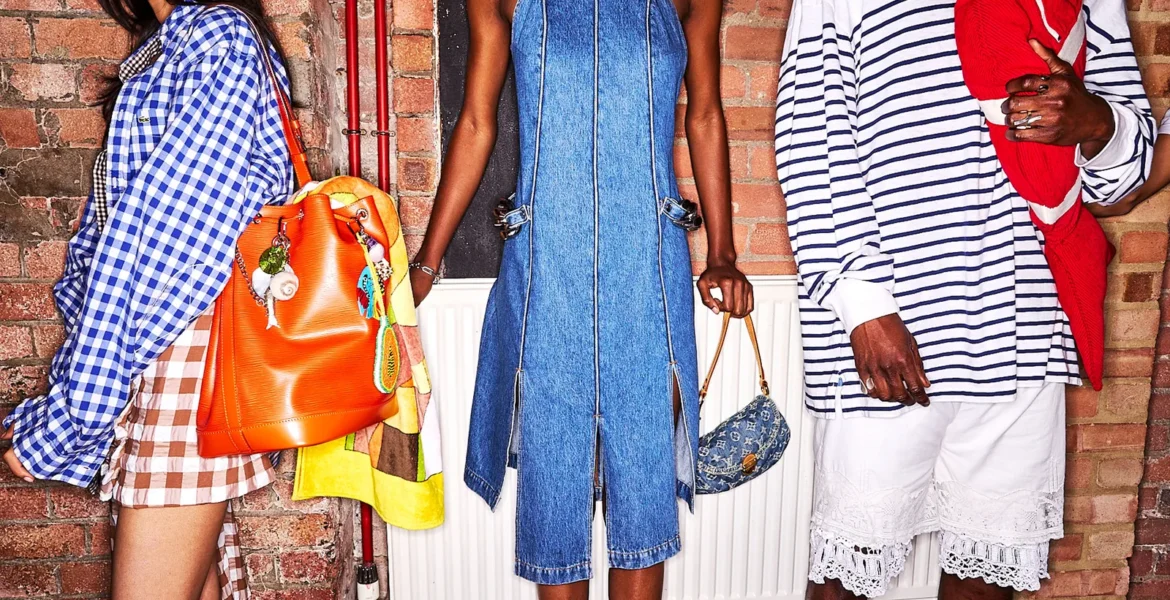
Secondhand Luxury Fashion: Why Luxury Resale Is Reshaping the Future of Style
Secondhand luxury fashion has evolved from a niche market into one of the fastest-growing segments of the global fashion industry. Luxury shoppers are increasingly choosing pre-owned designer handbags, watches, clothing, shoes, and jewelry because they offer exceptional value, sustainability, and access to rare pieces that may no longer be available at retail stores.
Whether you’re looking to invest in a timeless handbag, reduce your environmental footprint, or discover vintage designer treasures, the luxury resale market provides opportunities that traditional retail simply cannot match. This guide explores why secondhand luxury fashion is booming, how to shop safely, what makes luxury resale valuable, and which trends are shaping the future of designer fashion.
Key Takeaways
- Secondhand luxury fashion is becoming a mainstream shopping choice for luxury consumers worldwide.
- Buying pre-owned designer items combines affordability with long-term value.
- Sustainability is one of the biggest drivers behind luxury resale growth.
- Authentication services have made purchasing luxury resale products safer than ever.
- Certain luxury brands continue to retain or even increase their resale value.
- Smart buyers focus on authenticity, condition, rarity, and market demand before making a purchase.
Secondhand Luxury Fashion: The Rise of Luxury Resale
Luxury fashion has traditionally been associated with exclusivity, prestige, and premium pricing. Today, however, owning authentic designer pieces no longer requires paying full retail prices. The rise of secondhand luxury fashion has transformed how consumers buy, sell, and collect luxury goods.
Luxury resale is no longer viewed as a compromise. Instead, it has become a smart financial decision for shoppers who appreciate quality craftsmanship while seeking better value. From iconic handbags to limited-edition sneakers and vintage couture, pre-owned luxury pieces are attracting buyers of every generation.
The growing popularity of online resale marketplaces, professional authentication services, and sustainability-focused shopping habits has fueled this remarkable shift. Consumers now recognize that purchasing pre-owned luxury items allows them to enjoy designer fashion while supporting a more circular economy.
This change represents more than a trend, it reflects a new mindset where luxury is defined by quality, longevity, and thoughtful purchasing decisions rather than simply buying new.
What Is Secondhand Luxury Fashion?
Secondhand luxury fashion refers to authentic designer products that have previously been owned and are resold through trusted platforms, boutiques, auction houses, or private sellers.
These products typically include:
- Designer handbags
- Luxury watches
- Premium jewelry
- High-end clothing
- Designer shoes
- Luxury accessories
- Limited-edition collectibles
- Vintage luxury pieces
Unlike fast fashion, luxury products are designed to last for years—or even decades. Their exceptional craftsmanship allows them to retain both their beauty and functionality over time, making resale a practical and attractive option.
Many buyers specifically seek pre-owned luxury goods because they can access discontinued collections, vintage designs, or limited-edition releases that are impossible to purchase directly from luxury boutiques.
Why Secondhand Luxury Fashion Is Growing Faster Than Ever
The luxury resale market has experienced remarkable growth over the past decade. Several factors are driving this expansion, making secondhand luxury fashion one of the most exciting areas of modern retail.
Consumers Want Better Value
Luxury products often carry significant price tags. Purchasing pre-owned designer pieces allows shoppers to own prestigious brands while spending considerably less than retail prices.
For many consumers, buying secondhand means they can afford higher-quality craftsmanship that might otherwise be out of reach.
Rather than purchasing multiple lower-quality products, many shoppers now prefer investing in one authentic luxury item that will last for years.
Sustainability Has Become a Purchasing Priority
Environmental awareness is changing consumer behavior across every industry, and fashion is no exception.
Fast fashion contributes to excessive textile waste, pollution, and resource consumption. Secondhand luxury fashion helps extend the life cycle of premium products, reducing unnecessary manufacturing and keeping valuable items in circulation for longer.
By purchasing pre-owned luxury goods, consumers contribute to a more sustainable fashion ecosystem without sacrificing style or quality.
This growing commitment to responsible shopping is especially popular among younger luxury buyers who value both fashion and environmental responsibility.
Digital Resale Platforms Have Increased Trust
One of the biggest concerns about buying secondhand luxury items has always been authenticity.
Today, professional authentication services, artificial intelligence tools, detailed inspections, and expert verification processes have dramatically improved buyer confidence.
Many trusted resale platforms now inspect products before they are listed, ensuring customers receive authentic designer items that match the advertised condition.
This added layer of security has encouraged more first-time buyers to explore luxury resale with confidence.
Benefits of Buying Secondhand Luxury Fashion
The appeal of luxury resale extends well beyond lower prices. Buyers enjoy a range of financial, practical, and lifestyle benefits that make secondhand shopping increasingly attractive.
Access to Iconic Designer Pieces
Some luxury products become unavailable shortly after their release.
Limited-edition collections, discontinued handbags, vintage runway designs, and seasonal pieces often return to the market only through resale.
For collectors and fashion enthusiasts, secondhand luxury fashion provides access to rare items that can no longer be purchased from designer boutiques.
Owning these exclusive pieces allows buyers to create wardrobes that stand out while celebrating fashion history.
Better Long-Term Value
Unlike many consumer products that lose value quickly, certain luxury items maintain impressive resale prices over time.
Classic handbags, iconic watches, and timeless designer accessories often experience steady demand within the resale market.
While not every luxury purchase should be viewed as an investment, choosing well-known designs with lasting popularity can help preserve value better than many fast-fashion alternatives.
Savvy shoppers research resale demand, condition, and rarity before purchasing, allowing them to make more informed decisions that combine style with financial practicality.
Superior Craftsmanship
Luxury brands have built their reputations on exceptional materials, meticulous craftsmanship, and timeless design.
High-quality leather, precision stitching, durable hardware, and attention to detail enable many luxury items to remain in excellent condition even after years of careful use.
This durability makes secondhand luxury fashion especially appealing, as buyers can enjoy premium quality without paying full retail prices.
Unlike trend-driven fast fashion, luxury products are created to endure changing styles, making them wardrobe staples that retain their elegance across seasons.
How to Identify Authentic Secondhand Luxury Fashion
As the popularity of secondhand luxury fashion continues to grow, so does the importance of buying authentic products. Counterfeit designer goods have become increasingly sophisticated, making it essential for shoppers to know what to look for before making a purchase.
While reputable resale platforms invest heavily in authentication, informed buyers should still understand the basics of verifying luxury items.
Examine the Quality of Materials
Luxury brands are known for using premium materials that feel and look exceptional.
Pay close attention to details such as:
- High-quality leather with a natural texture
- Even stitching with no loose threads
- Solid metal hardware rather than lightweight materials
- Clean, symmetrical logos
- Premium interior lining and finishing
Authentic luxury products are crafted with remarkable precision, and even small imperfections can be warning signs.
Check Authentication Details
Most designer brands include identifying features that help verify authenticity.
These may include:
- Serial numbers
- Date codes
- RFID chips
- Authenticity cards
- Brand-specific stamps
- Engraved hardware
- Original receipts or invoices
Keep in mind that authenticity cards alone do not guarantee a product is genuine. The item itself should always match the brand’s known manufacturing standards.
Research the Seller
Whether you’re buying from an online marketplace, a consignment boutique, or an independent reseller, always evaluate the seller’s reputation.
Look for:
- Verified customer reviews
- Clear return policies
- Detailed product descriptions
- High-resolution images from multiple angles
- Transparent authentication processes
Trustworthy sellers are usually happy to answer questions and provide additional photos or documentation when requested.
Compare With Official Product Details
Before purchasing, compare the item with images from the brand’s official website or trusted fashion publications.
Pay attention to:
- Logo placement
- Stitch count
- Shape and proportions
- Hardware finish
- Color consistency
- Interior layout
Even subtle differences can indicate that a product is not authentic.
The Best Luxury Brands for Secondhand Shopping
Not every designer brand performs equally well in the resale market. Some labels consistently attract strong demand because of their craftsmanship, timeless appeal, and limited availability.
These brands are among the most sought-after by luxury resale shoppers.
Chanel
Chanel remains one of the strongest performers in the luxury resale market.
Classic flap bags, vintage accessories, and tweed jackets often retain excellent value due to consistent global demand and limited production.
Many collectors actively seek older Chanel pieces because of their craftsmanship and iconic design.
Hermès
Hermès is widely recognized for producing some of the world’s most exclusive luxury handbags.
Models such as the Birkin and Kelly are famous for their exceptional resale value, often selling for prices that rival—or even exceed—their original retail cost.
Limited availability continues to make Hermès one of the most desirable brands in luxury resale.
Louis Vuitton
Louis Vuitton remains one of the easiest luxury brands to buy and resell.
Classic monogram collections, travel bags, wallets, and accessories maintain strong popularity because of their timeless styling and durable construction.
Vintage Louis Vuitton pieces are also highly collectible among fashion enthusiasts.
Gucci
Gucci has successfully blended heritage craftsmanship with modern fashion trends.
Many buyers look for:
- Marmont handbags
- Dionysus collections
- Loafers
- Belts
- Vintage Gucci accessories
Its recognizable designs continue to perform well in the resale market.
Dior
Dior’s elegant designs have become increasingly valuable among luxury shoppers.
Popular resale pieces include:
- Lady Dior handbags
- Saddle bags
- Designer footwear
- Ready-to-wear collections
Their timeless appeal helps maintain consistent demand.
Rolex and Luxury Watches
Luxury resale extends beyond handbags and clothing.
High-end watches from respected manufacturers continue to attract collectors because of their engineering, heritage, and long-term value.
Well-maintained luxury watches often remain desirable for decades.
What Luxury Items Are Worth Buying Secondhand?
Some luxury products offer particularly strong value when purchased pre-owned.
Designer Handbags
Handbags remain the most popular category in secondhand luxury fashion.
Buying pre-owned allows shoppers to access iconic designs at more competitive prices while expanding their options beyond current collections.
Timeless handbags often stay fashionable for many years, making them practical wardrobe investments.
Luxury Watches
Many luxury watches are built to last generations.
Buying secondhand can significantly reduce the initial purchase cost while still providing exceptional craftsmanship and prestige.
Collectors often appreciate vintage models for their history and rarity.
Designer Jewelry
Luxury jewelry rarely goes out of style.
Secondhand marketplaces frequently offer classic necklaces, bracelets, earrings, and rings that maintain both beauty and long-term desirability.
When accompanied by proper documentation, these pieces can represent outstanding value.
Designer Shoes
Premium designer footwear often receives careful ownership, meaning lightly worn pairs can still be in excellent condition.
Buyers can enjoy luxury craftsmanship without paying full retail prices.
Vintage Designer Clothing
Vintage fashion has become one of the fastest-growing segments of luxury resale.
Many shoppers actively search for:
- Archive collections
- Limited-edition runway pieces
- Designer coats
- Tailored jackets
- Classic dresses
Vintage luxury clothing offers individuality while celebrating fashion history.
Common Mistakes Buyers Should Avoid
Even experienced shoppers can make costly mistakes in the luxury resale market. Understanding these pitfalls can help you shop with greater confidence.
Buying Based Only on Price
A deal that seems too good to be true often deserves closer inspection. Extremely low prices may indicate counterfeit products, undisclosed damage, or misleading listings.
Ignoring Condition Grades
Luxury resale items are usually categorized by condition, ranging from “new with tags” to “fair.” Carefully review descriptions and photos so your expectations match the product you receive.
Overlooking Additional Costs
Remember to factor in shipping fees, insurance, import duties, and authentication charges when comparing prices. These costs can significantly affect the final value of your purchase.
Failing to Research Market Value
Before committing to a purchase, compare prices across multiple trusted resale platforms. Understanding the typical market value helps you recognize both genuine bargains and overpriced listings.
Skipping the Return Policy
Always read the seller’s return and refund policy. A clear, customer-friendly policy provides added confidence, especially when buying high-value luxury items online.
Luxury Resale Trends Shaping the Future of Fashion
The secondhand luxury fashion market is evolving rapidly, driven by changing consumer preferences, technological innovation, and a growing emphasis on sustainability. What was once considered an alternative shopping option has become a mainstream choice for fashion-conscious buyers around the world.
Understanding these trends can help shoppers make smarter purchasing decisions and stay ahead in an increasingly competitive resale market.
Sustainability Is Driving Consumer Decisions
One of the biggest reasons behind the growth of secondhand luxury fashion is the global shift toward sustainable consumption.
Consumers are becoming more aware of the environmental impact of the fashion industry. Producing new clothing requires significant amounts of water, energy, and raw materials, while discarded garments contribute to landfill waste and pollution.
Choosing pre-owned luxury items extends the lifespan of high-quality products and supports a circular fashion economy. Instead of manufacturing new products, existing designer pieces continue to be used and appreciated for years.
This approach benefits both consumers and the environment:
- Reduces textile waste
- Lowers demand for new production
- Extends the life of premium-quality products
- Encourages responsible shopping habits
- Promotes long-term value over fast fashion
For many luxury shoppers, sustainability is no longer just a bonus, it’s an essential factor in purchasing decisions.
Younger Generations Are Embracing Luxury Resale
Millennials and Gen Z have played a major role in transforming the resale industry.
Unlike previous generations, younger consumers often prioritize experiences, sustainability, and smart financial choices over owning brand-new items. They are comfortable shopping online and appreciate the opportunity to own authentic designer products at more accessible prices.
Social media has further accelerated this trend. Fashion influencers, stylists, and content creators regularly showcase vintage handbags, archival designer clothing, and rare accessories, inspiring followers to explore secondhand luxury fashion.
As a result, pre-owned luxury is now viewed as stylish, responsible, and financially savvy rather than a second-choice option.
Vintage Luxury Is More Desirable Than Ever
Vintage designer fashion has experienced a remarkable revival.
Many shoppers are actively searching for iconic pieces from past decades because they offer originality and craftsmanship that are difficult to find in modern collections.
Popular vintage categories include:
- Classic designer handbags
- Archive runway collections
- Vintage watches
- Luxury jewelry
- Limited-edition accessories
- Designer outerwear
Owning vintage luxury allows buyers to express their personal style while preserving fashion history.
Artificial Intelligence Is Improving Authentication
Technology is transforming how luxury resale platforms verify products.
Artificial intelligence now assists experts by analyzing:
- Stitching patterns
- Logo placement
- Material texture
- Hardware engravings
- Serial numbers
- Manufacturing details
While human specialists continue to perform final inspections, AI helps detect inconsistencies more quickly and accurately than ever before.
This combination of technology and expert knowledge has significantly increased buyer confidence, making online luxury resale safer and more reliable.
Circular Fashion Is Becoming the New Luxury Standard
Luxury brands are increasingly recognizing that resale is not a threat—it is an extension of the customer journey.
Many consumers now alternate between purchasing new luxury products and reselling items they no longer use. This cycle keeps premium products in circulation while allowing buyers to refresh their collections more sustainably.
As circular fashion continues to gain momentum, secondhand luxury is becoming an integral part of the broader luxury ecosystem rather than a separate market.
Expert Tips for Buying Secondhand Luxury Fashion
Shopping for pre-owned designer items requires more than simply finding the lowest price. Experienced buyers evaluate every purchase carefully to ensure long-term satisfaction and value.
Buy Timeless Designs Instead of Short-Lived Trends
Classic pieces generally retain their appeal and resale value far better than trend-driven collections.
Neutral colors, iconic silhouettes, and signature designs remain desirable season after season, making them smart additions to any luxury wardrobe.
Prioritize Condition Over Discounts
A heavily discounted item may seem tempting, but excessive wear can reduce both enjoyment and future resale value.
Whenever possible, choose products in excellent or very good condition, even if they cost slightly more.
Better condition often translates into greater longevity and stronger resale potential.
Keep Original Packaging and Documentation
If you intend to resell your luxury purchase in the future, preserve everything that comes with it.
Items that include:
- Original box
- Dust bag
- Authenticity card
- Care booklet
- Purchase receipt
- Extra accessories
typically command higher resale prices and attract more buyer interest.
Understand Market Demand
Not every luxury item appreciates in value.
Before purchasing, research factors such as:
- Current resale prices
- Popular colorways
- Limited editions
- Seasonal demand
- Production availability
Understanding market trends helps buyers make informed decisions rather than emotional purchases.
Purchase From Trusted Sources
Authenticity should always be the highest priority.
Whether shopping online or in person, choose sellers with proven expertise, transparent authentication processes, and positive customer feedback.
A slightly higher purchase price from a reputable seller is often worthwhile for the added peace of mind.
Is Secondhand Luxury Fashion a Good Investment?
Many shoppers wonder whether buying pre-owned luxury products can also be considered an investment.
The answer depends on the item.
Most luxury purchases should first be viewed as personal lifestyle investments, products that deliver exceptional quality, durability, and enjoyment.
However, certain categories have demonstrated impressive long-term value.
These include:
- Iconic designer handbags
- Limited-edition collaborations
- Rare vintage collections
- High-end luxury watches
- Exclusive jewelry pieces
Factors that influence resale value include brand reputation, rarity, condition, age, demand, and market trends.
It’s important to remember that no luxury item is guaranteed to be appreciated. Buyers should focus on choosing pieces they genuinely love while considering resale potential as an added benefit rather than the sole reason for purchasing.
Why Secondhand Luxury Fashion Is Here to Stay
The growing popularity of secondhand luxury fashion reflects a lasting change in consumer behavior rather than a temporary trend.
Luxury shoppers are becoming more intentional with their purchases, seeking products that combine craftsmanship, sustainability, and long-term value.
At the same time, improvements in authentication technology, expanding resale platforms, and greater awareness of environmental responsibility continue to strengthen consumer confidence.
As luxury resale becomes more accessible across the globe, it is redefining what it means to own designer fashion.
Rather than focusing solely on buying new, today’s consumers are embracing a smarter approach, one that values quality, longevity, and conscious consumption.
Conclusion
Secondhand luxury fashion is redefining modern style, combining timeless craftsmanship, sustainability, and smart spending. At Orilea, we make owning authentic pre-owned designer pieces seamless and trustworthy. By extending the lifecycle of iconic luxury items, Orilea helps you curate an exclusive, sustainable wardrobe without compromising on quality or elegance.
Frequently Asked Questions
1. What is secondhand luxury fashion?
Secondhand luxury fashion refers to authentic designer clothing, handbags, watches, jewelry, shoes, and accessories that have been previously owned and are resold through trusted marketplaces, consignment stores, or luxury resale platforms. These items offer buyers access to premium brands at more affordable prices while promoting sustainable fashion.
2. Is it safe to buy secondhand luxury items online?
Yes, buying secondhand luxury items online can be safe when you purchase from reputable resale platforms or trusted sellers that offer professional authentication, detailed product descriptions, high-quality images, and clear return policies. Always verify authenticity before completing your purchase.
3. Which luxury brands have the highest resale value?
Some of the strongest-performing luxury brands in the resale market include Chanel, Hermès, Louis Vuitton, Dior, Gucci, and Rolex. Classic handbags, luxury watches, and limited-edition collections from these brands often maintain strong demand and can retain their value over time.
4. Why is secondhand luxury fashion becoming so popular?
The growing popularity of secondhand luxury fashion is driven by several factors, including sustainability, affordability, access to rare designer pieces, and improved authentication services. Consumers are increasingly choosing pre-owned luxury because it combines timeless style with smarter spending and environmentally responsible shopping.
5. What should I check before buying a pre-owned luxury item?
Before purchasing, inspect the item’s condition, craftsmanship, serial numbers, authenticity documentation, and seller reputation. Comparing the product with official brand images and reviewing detailed photographs can also help ensure you’re buying a genuine luxury piece.
6. Is buying secondhand luxury fashion worth it?
For many shoppers, absolutely. Secondhand luxury fashion offers access to high-quality designer products at lower prices while supporting a more sustainable fashion industry. Many timeless pieces also retain excellent resale value, making them a practical choice for both everyday wear and long-term collections.